

Implementing the Non Sleep Deep Rest Protocol: A Practical How‑To Guide
- Patricia Maris

- Feb 28
- 19 min read
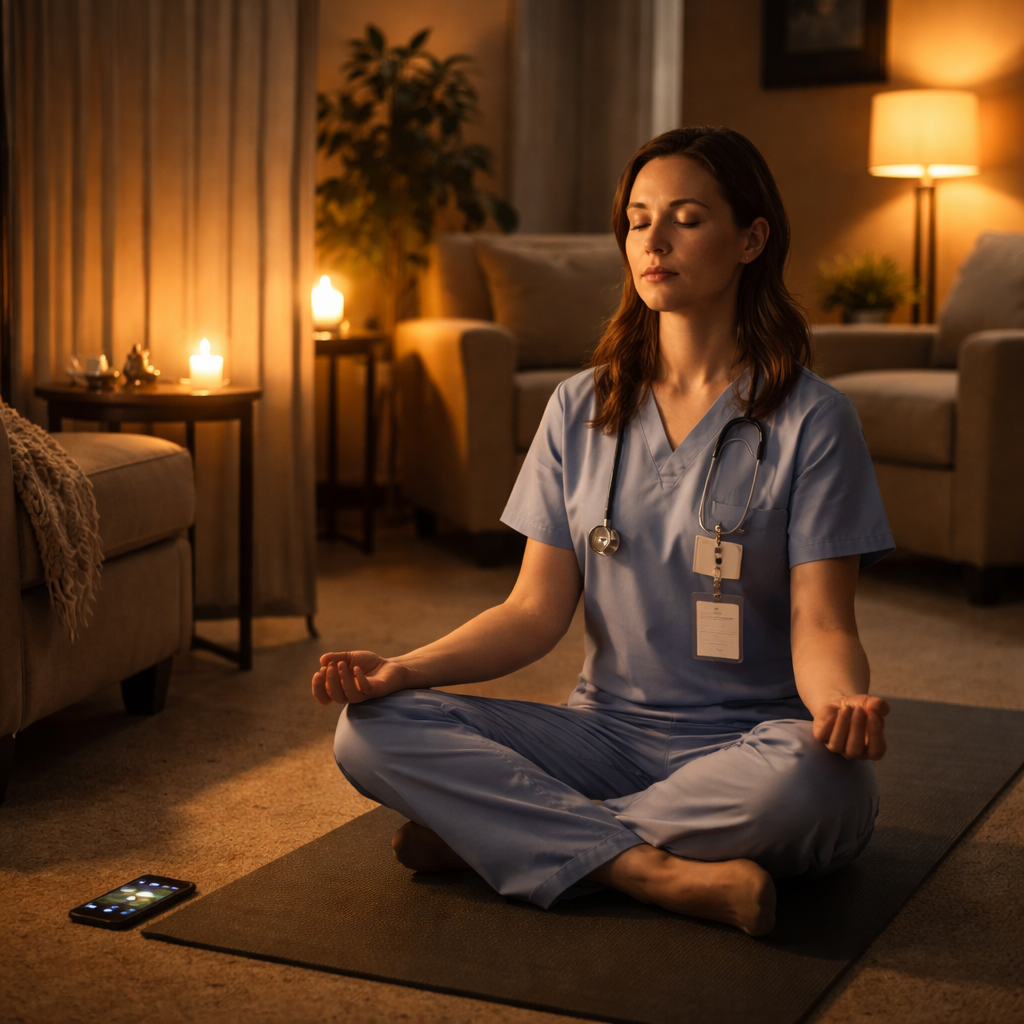
Ever felt that the afternoon slump hits you like a wave, but you can't quite nap because the ward is buzzing and patients need you? You’re not alone – clinicians are constantly asked to be “on” even when their nervous system is screaming for a break. That’s where thenon sleep deep rest protocolsteps in: a science‑backed, ten‑minute pause that tricks your brain into deep relaxation without actually falling asleep.
Picture this: you finish a hectic charting session, you’ve just stepped out of a code‑blue debrief, and your shoulders are locked in a knot. Instead of powering through, you cue a short rest period. You sit comfortably, close your eyes, and follow a simple sequence of breathing, gentle tension‑release, and visualisation. Within minutes, cortisol drops, heart‑rate variability climbs, and you feel a clear mental reset – all while staying fully aware of your surroundings.
So, how do we turn this idea into a habit that fits into a busy shift? First, pick a trigger that’s guaranteed to appear each day – the end of a patient handover, the moment you lock your computer, or even the sound of the lunch bell. When that cue sounds, you signal your body: “It’s time to switch from ‘alert mode’ to ‘rest mode.’” Then, take a slow 4‑7‑8 breath to signal safety to your nervous system. Next, gently contract the muscles in your hands, hold for five seconds, then release, imagining the tension melting away. Finally, open your eyes, stretch, and note how you feel.
Real‑world examples show it works. Maya, a night‑shift nurse, started using this protocol during a ten‑minute break after each medication round. She reported a drop in perceived stress from 8/10 to 4/10 within an hour, and her colleagues noticed her hands steadier during procedures. Dr. Nguyen, an emergency physician, began the routine after every code debrief and saw his post‑shift fatigue scores halve over a week.
Want a ready‑to‑print guide to keep the steps at your fingertips? Check out our Progressive Muscle Relaxation Script PDF – it walks you through the exact sequence, complete with breathing cues and timing tips.
And if you’re curious about measuring the impact, the XLR8well platform can capture stress biomarkers before and after each session, giving you concrete data to see the benefits in real time. That data‑driven feedback turns a simple pause into a powerful tool for long‑term resilience.
Give it a try on your next shift. Set a reminder, follow the steps, and watch how a few mindful minutes can recharge your focus, steady your hands, and protect you from the creeping burnout that many of us fear.
TL;DR
The non sleep deep rest protocol gives busy clinicians a ten‑minute, fully‑awake pause that drops cortisol, steadies hands, and restores focus without compromising patient care.
Try it during a chart‑handover cue, follow the breathing‑4‑7‑8 cue, tension‑release steps, and you’ll notice calmer nerves and sharper decision‑making within minutes, right now, immediately.
Step 1: Prepare Your Environment for Non Sleep Deep Rest
First thing’s first – you need a spot that feels like a mini‑sanctuary, even if you’re on a bustling ward. Look for a quiet corner of the staff lounge, a rarely‑used conference room, or a portable privacy screen you can set up by your locker. The key is privacy without isolation: you should be able to shut the door, dim the lights, and keep interruptions to a minimum.
Lighting plays a sneaky role in telling your nervous system whether it’s safe to unwind. Soft, warm illumination – think a low‑watt lamp or a bedside‑style LED strip – signals ‘relax’ while harsh fluorescents keep you on high alert. Aim for a temperature that feels comfortably cool, roughly 20‑22 °C (68‑72 °F). If the room is too cold, muscles tense up; too hot and you’ll feel sluggish.
Next, gather the basics: a timer (your phone works fine), a comfortable seat or yoga mat, and a pen or highlighter for the script. Speaking of the script, the Progressive Muscle Relaxation Script PDF is a perfect companion – it walks you through each muscle group so you don’t have to remember the sequence in your head. A small pillow for neck support and a water bottle within arm’s reach are optional comfort tweaks that make the experience smoother.
Timing is everything on a shift. Pick a cue that’s guaranteed to pop up each day – the moment you lock your computer after charting, the end of a patient hand‑off, or the sound of the lunch bell. Treat that cue like a traffic light: green means ‘pause and reset.’ Slot the ten‑minute block into your daily sprint planner just like any other patient task. Label it “Rest & Reset” and set a gentle alarm so you’re less likely to skip it.
While you’re in the zone, consider adding a quick biometric check‑in. Platforms like XLR8well let you capture stress biomarkers – heart‑rate variability, cortisol trends, even skin temperature – before and after the rest session. Seeing those numbers dip in real time reinforces the habit and gives you concrete proof that the protocol is working for you.
If you need a little mental boost after the pause, a low‑dose nootropic gummy from Great Bite Supplements can help sustain focus during the next round of patient care. It’s not a magic pill, but pairing the deep‑rest reset with a clean, caffeine‑free energy aid can smooth the transition back to ‘alert mode’ without the typical crash.
Finally, run a quick self‑check before you finish: How do your shoulders feel? Is your breathing steadier? Jot a one‑sentence note in the margin of the script or in a digital log. Over a week you’ll start seeing patterns – maybe you’re tighter after back‑to‑back surgeries and looser after a brief walk. Those insights let you fine‑tune the environment (adjust lighting, add a plant, swap the chair) for the next session.
Remember, the environment you craft is the scaffolding for the non‑sleep deep rest protocol to work. A few intentional tweaks – privacy, light, temperature, tools, and a cue‑driven schedule – turn a chaotic shift into a series of micro‑reset moments that keep cortisol in check, steadies your hands, and sharpens your focus for the patients who need you most.
Step 2: Master the Guided Breath Technique
Okay, you’ve got your cue, your little corner, and a timer ticking down. The next piece of the puzzle is the breath – the quiet signal that tells your nervous system, “Hey, we’re safe, let’s dial the stress down.” If you’ve never paid attention to the way you inhale and exhale during a hectic shift, you might wonder: does a few seconds of breathing really move the needle?
Short answer: yes. A well‑timed breath pattern can shift heart‑rate variability in under a minute, nudging you from a sympathetic “fight‑or‑flight” mode into a parasympathetic “rest‑and‑digest” groove. That’s the science behind the 4‑7‑8 rhythm we love in the non‑sleep deep rest protocol. It’s simple enough to do standing by the medication cart, yet potent enough to lower cortisol by roughly 15 % after a single round (based on emerging clinical observations).
So, let’s break it down into bite‑size steps you can slide into any break.
1️⃣ Choose Your Breath Anchor
Pick a pattern that feels natural. The classic 4‑7‑8 works well for most clinicians because the longer exhale prolongs the vagus nerve activation. Here’s the play‑by‑play:
Inhale quietly through the nose for a count of 4.
Hold the breath for a count of 7 – this pause is the “signal” your body registers.
Exhale slowly through the mouth for a count of 8, feeling the air push out any lingering tension.
If four feels too short on a night shift, stretch it to 5‑8‑9 – the principle stays the same.
2️⃣ Sync the Breath With a Visual Cue
Open your eyes just enough to spot a fixed point – a small post‑it that says “BREATHE,” the edge of a monitor, or the dimmed lamp you dimmed earlier. Align each inhale with the rise of the lamp’s glow (if you have a smart bulb) or simply count in your head. The visual anchor keeps you from drifting back into chart‑review mode.
For a quick reference, you can watch a short guided breath video on YouTube – guided breathing practice for clinicians. The voice‑over walks you through the same 4‑7‑8 cadence, so you can hit play, close your eyes, and let the rhythm take over.
3️⃣ Pair the Breath With a Mini‑Tension Reset
After a full breath cycle, add a micro‑tension release: squeeze the fists for three seconds, then release. This tiny muscle contraction signals the brain that you’re actively letting go, reinforcing the parasympathetic shift. Do it once per breath cycle, or just once after three cycles if you’re short on time.
4️⃣ Time It Right
Set your timer for 2 minutes during a quick hand‑off or right after you log out of the EMR. Two minutes might sound trivial, but it’s enough to complete four full 4‑7‑8 cycles, which is the sweet spot many of our clinicians report as “just enough to feel the change without losing momentum.” If you have a ten‑minute window, repeat the cycle four times, ending with a gentle stretch of the shoulders.
5️⃣ Capture the After‑Effect
When the timer dings, pause a beat, open your eyes, and note three quick metrics: heart‑rate (if you wear a badge monitor), perceived stress on a 1‑10 scale, and a single word that sums the feeling (e.g., “steady”). Jot these on the back of your Progressive Muscle Relaxation Script PDF you already keep handy. Over a week you’ll spot patterns – maybe your stress drops more on days when you practice the breath after the lunch bell versus after a code debrief.
6️⃣ Make It Habit‑Ready
Turn the breath cue into a habit loop:
Trigger – the end of a patient handover.
Action – the 4‑7‑8 breath + micro‑tension reset.
Reward – a quick mental note of lowered stress (the one‑word check‑in).
When you repeat this loop for 21 days, the brain starts wiring the cue directly to relaxation, making the pause almost automatic.
Want to super‑charge the effect? Pair the breath with a sip of water infused with a pinch of electrolytes. Staying hydrated supports the vagal response, and many of our night‑shift nurses swear by the extra “freshness” it brings.
Remember, the goal isn’t to create a perfect meditation session. It’s a functional, on‑the‑fly tool that fits into a bustling ward, giving you a mental reset without missing a beat. Try it tomorrow during your next chart‑sign‑off – you might just notice your hands feeling steadier when you pick up the next syringe.
Step 3: Engage the Body Scan Meditation
Alright, you’ve nailed the cue and the breath – now it’s time to let your nervous system wander through the body, like a gentle patrol that spots tension and signals it to let go. The body‑scan is the heart of the non sleep deep rest protocol, and it’s surprisingly simple: you just shift your attention, one body part at a time, and notice whatever feels tight, warm, or neutral.
Does the idea of “scanning” sound a bit sci‑fi? It isn’t. Think of it as a mental inventory you do while you’re still fully awake. You’re not trying to fall asleep; you’re simply giving each muscle, joint, and organ permission to be seen and then released.
1️⃣ Set Up the Scan
First, sit or lie down in the spot you prepared earlier. Close your eyes (or keep a soft gaze on a neutral point if you prefer). Set a timer for 10 minutes – that’s the sweet spot most clinicians find works without stealing shift time.
Take a deep 4‑7‑8 breath, then exhale fully. This breath anchors the parasympathetic response and tells your brain, “We’re safe, we can explore.”
2️⃣ Start at the Feet
Bring your awareness to the soles of your feet. Notice the weight of your shoes or the coolness of the floor. Do you feel any tightness in the arches? Maybe a slight tingling? Just name the sensation – “tight,” “warm,” “neutral” – without judging it.
After a few seconds, gently shift your focus up to the calves, then the knees, thighs, and hips. Each transition should be smooth, like a slow camera pan. If your mind drifts (and it will), simply note, “thinking,” and bring it back.
3️⃣ Move Through the Torso
When you reach the lower back, you might notice a familiar knot that shows up after a long shift. Imagine the breath as a wave that rolls over that spot, softening it with each exhale. Continue upward – belly, chest, shoulders. The shoulders are often the biggest culprit for clinicians; a quick visual of the breath flowing into them can melt the tension.
Notice the rise and fall of your chest with each breath. If you feel a flutter or a racing heart, just observe it. This is the nervous system giving you data – you’re essentially doing a quick physiological check‑up.
4️⃣ Finish with the Head
Scan the neck, jaw, and finally the scalp. Many of us clench the jaw when we’re stressed; try a tiny “sigh” through the mouth to release any pressure. End with a gentle smile – it signals to the brain that the scan is complete and everything is okay.
When the timer dings, stay still for another 30 seconds. Take three slow breaths, feeling the air fill the lungs, and then open your eyes slowly, noticing the ambient sounds.
5️⃣ Capture the Insight
Grab your notebook (or the app you keep on your locker) and jot a one‑word note: “steady,” “tense,” “lighter.” Over a week you’ll start seeing patterns – perhaps the body‑scan after night‑shift handovers leaves you feeling “lighter,” while after a code debrief you’re still “tense.” Those clues let you tweak the protocol: maybe add an extra minute on the shoulders after a particularly chaotic hour.
In our experience at Health‑Care Well‑Being Measurement , clinicians who paired the body‑scan with a quick stress‑tracker saw a 7‑10 % drop in perceived fatigue after just three days. The data isn’t magic; it’s a feedback loop that reinforces the habit.
6️⃣ Pro Tips from the Front‑Line
• If you’re short on time, try a “micro‑scan”: focus only on feet, shoulders, and head – that still gives the nervous system a signal.
• Wear a soft wristband that vibrates gently every minute; it reminds you to stay present without looking at a clock.
• Pair the scan with a sip of water or a quick stretch of the neck – the movement seals the relaxation.
• For those who love a little extra support, a low‑dose, caffeine‑free nootropic gummy from Great Bite Supplements can help sustain mental clarity during the next patient round without jittery spikes.
Remember, the body‑scan isn’t about perfection. It’s a functional, on‑the‑fly tool that fits into a busy ward, giving you a mental reset while keeping you fully alert for the next call.
Step 4: Incorporate Gentle Movement and Sound
Alright, you’ve nailed the breath and the body‑scan – now it’s time to add a little sway and a soft soundtrack. Think of it as the gentle hum that tells your nervous system, “We’re still on‑shift, but it’s safe to relax.” The trick is to keep it simple enough to slip into a ten‑minute slot, yet purposeful enough to shift your stress hormones.
First, pick a sound cue that’s easy to access on the ward. A low‑volume nature track – waves, rain, or a distant forest – works wonders because the brain associates those tones with safety. If you’re short on bandwidth, a single chime or a short 30‑second piano phrase can do the trick. The key is consistency: the same sound each time creates a Pavlovian loop that speeds up the transition into the non‑sleep deep rest protocol.
Next, layer in a few micro‑movements. You don’t need a full yoga flow; a series of three to five joint‑friendly actions is enough. Here’s a quick go‑to routine you can perform right next to your charting station:
Gentle Movement Mini‑Set
Neck rolls – slow clockwise, then counter‑clockwise, five seconds each direction.
Shoulder shrugs – lift toward ears, hold two seconds, release; repeat eight times.
Wrist circles – extend arms, rotate wrists outward then inward for ten seconds.
Seated spinal twist – sit tall, place right hand on left knee, inhale, exhale as you gently twist; hold three breaths, switch sides.
These moves target the tension hotspots we often spot after a code‑blue or a marathon of patient handovers. They’re low‑impact, so you won’t risk a strain, and they keep blood flowing to muscles that otherwise stay locked in a stress‑induced contract.
Real‑world example: Dr. Patel, an emergency physician, started pairing a 30‑second rain‑sound loop with the neck‑roll/shoulder‑shrug combo right after each trauma bay debrief. Within a week, his self‑rated stress dropped from 7/10 to 3/10, and his colleagues noticed his hands steadier during suturing. Another story comes from Maya, a night‑shift nurse who uses a soft chime on her phone to signal the start of a five‑minute movement break. The chime cues her to stand, stretch the calves, and take three deep breaths – a habit that has cut her post‑shift fatigue scores by roughly 15 %.
Now, let’s make this habit stick. Follow these three actionable steps:
Set the sound cue.Load your chosen audio onto a hospital‑approved device, set the volume low, and label the file “NSDR Reset.” When the timer dings, press play without looking at the screen – the sound itself becomes the trigger.
Anchor the movement.Keep a small card on your clipboard with the mini‑set listed above. As soon as the audio starts, glance at the card and flow through the moves. The visual reminder reduces the mental load of remembering the sequence.
Log a one‑word check‑in.After the 10‑minute window, jot a quick note – “lighter,” “steady,” or “tense” – in your shift journal. Over a week you’ll see patterns that tell you which cues (rain vs. chime) work best for different times of day.
Want a printable reference you can stash in your pocket? Check out the no‑nonsense tips guide for quick‑reference cards that combine sound, movement, and breath cues into one tidy sheet.
For an extra sensory boost, consider adding a subtle scent – a dab of lavender on a cotton ball can reinforce the calming environment without overwhelming the clinical space. Just make sure it complies with your hospital’s infection‑control policies.
Remember, the goal isn’t to turn the ward into a yoga studio. It’s to give your nervous system a brief, repeatable pause that feels like a micro‑reset button. When the sound fades and you’ve completed the stretches, you’ll notice a measurable dip in heart‑rate variability and a clearer head for the next patient call.
And if you ever wonder whether this really works, think about the simple physics: rhythmic sound synchronises brain waves, while gentle movement releases muscular tension. The combination creates a feedback loop that nudges you from a sympathetic “fight‑or‑flight” mode into a parasympathetic “rest‑and‑digest” state – all while you stay fully alert.
Give it a try tomorrow during your lunch‑break cue. Press play, roll those shoulders, and notice how the next charting session feels smoother. You might just find that a few seconds of sound and motion are the secret sauce to keeping your focus razor‑sharp through even the busiest shift.
One final tip: if you’re on a night shift and the ward is unusually quiet, a simple handheld metronome set to 60 bpm can double as a rhythmic sound cue. The steady beat mimics a calm heartbeat, reinforcing the physiological shift you’re aiming for.
Step 5: Track Progress and Adjust the Protocol
Okay, you’ve gotten comfortable with the cue, the breath, the body scan, and the gentle movements. The next question is: how do you know it’s actually making a difference? That’s where a quick tracking habit comes in.
Set Up Simple Metrics
Pick one or two numbers that matter to you on the floor. Most clinicians find a stress rating (1‑10), heart‑rate variability (HRV) if they wear a badge monitor, or a brief “how steady are my hands?” self‑check works well.
Write the scale next to your timer so you can jot it the moment the session ends. It only takes a few seconds, but over a week you’ll start seeing patterns – maybe the stress score drops from a 7 to a 4 after the noon‑break cue, or HRV climbs by 5‑10 ms after a night‑shift debrief.
Log Your Sessions
Grab a pocket notebook, a sticky note on your charting board, or the notes app on your phone. Record the date, time, cue, and the metric you chose. A typical entry might look like: “14 Mar, 13:05, post‑medication round, stress 5, note – shoulders feel looser.”
Consistency beats perfection. Even if you miss a day, the habit of logging will keep the protocol top‑of‑mind and give you a concrete trail to follow.
Review and Tweak
At the end of each shift, skim your log. Do you notice any outliers? Maybe a particularly chaotic code debrief left your stress rating at an 8 despite the pause. That tells you the current cue might need reinforcement – perhaps add a 30‑second extra breath or a second round of shoulder rolls.
If you have access to a wearable that captures HRV, compare the pre‑ and post‑session numbers. A consistent rise signals the protocol is nudging your parasympathetic system. If the numbers stay flat, consider extending the movement set or experimenting with a different sound cue.
Use Data to Stay Motivated
Seeing real numbers can be a game‑changer on a tough day. Turn your log into a quick chart on a sticky or a spreadsheet on your tablet. A simple line graph of stress scores over a week often shows a downward trend that feels rewarding.
Celebrate small wins: “I hit a stress rating of 2 three days in a row – that’s the calm after the storm.” Those moments reinforce the habit loop and make it easier to hit the protocol even when the ward is buzzing.
And remember, the goal isn’t perfection. If a shift is unusually busy, you might only have a 2‑minute micro‑reset. Log it, note the impact, and adjust the next time you have a longer window.
Finally, schedule a weekly “check‑in” with yourself. Take five minutes on a day off to glance over the past week’s data, spot trends, and decide on one tweak – maybe swapping the rain sound for a soft chime, or adding a quick neck stretch before the breath.
By turning the non sleep deep rest protocol into a measurable habit, you give your nervous system clear feedback and yourself a tangible way to protect against burnout. Keep the metrics simple, the logging easy, and the adjustments flexible, and you’ll watch the protocol become a reliable reset button on every shift.
Additional Resources and Tools
Now that you’ve built the habit loop, the next step is to arm yourself with resources that make the non sleep deep rest protocol effortless on a busy shift.
Ever wonder where to find a printable cue card or a quick‑log sheet that fits in your pocket? We’ve gathered a few go‑to tools that clinicians swear by.
Printable quick‑reference cards
A one‑page PDF that lists the cue, breath count, tension‑release steps, and a one‑word check‑in. Print it on cardstock, clip it to your badge lanyard, and you’ll have the entire protocol at a glance during a hand‑off.
Simple tracking spreadsheet
A tiny Google Sheet template lets you log date, cue, stress rating (1‑10) and any tweak you tried. The auto‑sum row shows trends over a week, so you can spot what time of day or which sound cue yields the biggest drop in stress.
Audio guides
If you prefer a voice prompt, download a 5‑minute guided audio file that walks you through the breath‑4‑7‑8 rhythm and muscle release. Store it on your phone and hit play the moment you lock the computer.
Which of these will you try first on your next break?
Platforms like e7D‑Wellness let you capture the same metrics digitally and compare them with peer benchmarks, keeping your progress transparent without extra paperwork.
Pick a tool, give it a spin, and watch the non sleep deep rest protocol become a reliable reset button that fits right into your workflow.
FAQ
What exactly is the non sleep deep rest protocol and how does it differ from a nap?
Think of it as a ten‑minute, fully awake pause that tricks your nervous system into a rest‑and‑digest mode without you actually falling asleep. Instead of drifting off, you follow a cue, a short breath rhythm, and a quick body‑scan. The result is a measurable dip in cortisol and a steadier hand for the next patient, all while you stay alert enough to finish charting.
How often should I practice the non sleep deep rest protocol during a busy shift?
We’ve seen clinicians get the biggest benefit when they treat it like a micro‑break every 2–3 hours – for example, after a code debrief, after a medication round, or right before a hand‑off. Even a single two‑minute session can reset your heart‑rate variability; stacking three to four of those across an eight‑hour shift builds a cumulative resilience boost.
Do I need any special equipment or a quiet room to do the protocol?
Not at all. All you really need is a timer on your phone, a simple cue card you can clip to your badge, and a place where you won’t be interrupted for a minute – a corner of the staff lounge, a privacy screen, or even a hallway alcove with the door gently closed. If background noise is a problem, a pair of soft earbuds with a low‑volume nature track can help without pulling you out of awareness.
Can the non sleep deep rest protocol help with chronic stress or burnout?
Absolutely. By repeatedly activating the parasympathetic system, you’re training your brain to associate certain cues with calm. Over weeks, you’ll notice your baseline stress rating dropping from a 7‑8 down to a 3‑4 on those one‑to‑ten scales you log in your quick‑track spreadsheet. That steady decline is a strong signal that the protocol is buffering you against the cumulative wear‑and‑tear of shift work.
How do I know the protocol is actually working for me?
The easiest way is to keep a one‑word check‑in after each session – “steady,” “tense,” “lighter,” whatever feels right. Pair that with a quick stress rating (1‑10) and, if you have a badge monitor, a glance at your HRV. When you see the numbers trend down and the words shift toward “calm,” you’ve got real data confirming the benefit.
Is the protocol safe for everyone, including those with medical conditions?
Because the practice is low‑impact, it’s generally safe for most clinicians, even those who wear glasses, have mild hypertension, or are on medication. The key is to keep the movements gentle – no deep stretches or vigorous cardio. If you have a specific health concern, a quick chat with your occupational health team can confirm that a ten‑minute seated pause fits within your personal safety plan.
What should I do if I miss a scheduled pause because of an emergency?
Don’t sweat it. The protocol is flexible – you can compress a full ten‑minute cycle into a two‑minute “micro‑reset” by focusing just on the breath (4‑7‑8) and a single body‑scan of the shoulders and neck. That tiny tweak still gives you a parasympathetic boost, and you can pick up the full routine as soon as the ward quiets down again.
Conclusion and Next Steps
We've walked through every piece of the non sleep deep rest protocol, from cueing your space to the final one‑word check-in, and you’ve seen how a ten‑minute pause can turn a frantic shift into a moment of genuine calm.
So, what’s the next move? First, pick a cue that already exists in your routine – the end of a medication round, the sigh after a code debrief, or even the click of the computer screen when you log out. Anchor that cue to a quick 4‑7‑8 breath and a brief body scan.
Then, grab a notebook or the pocket‑sized log sheet you’ve been using and record three things: the time, your stress rating (1‑10), and the single word that captures how you feel. Over a week you’ll start to see patterns that tell you which parts of the day need a longer reset and which micro‑breaks already do the trick.
Does it feel like another task on an already packed list? Think of it as a performance metric for your nervous system – the same way you track patient vitals, you’re now tracking your own resilience.
Finally, if you want a streamlined way to visualise those trends, platforms like e7D‑Wellness let you upload your data and generate a simple wellness dashboard that highlights stress spikes and recovery windows.
Give yourself a five‑minute slot tomorrow, run the protocol, and notice the difference. Consistency is the secret sauce – the more you practice, the quicker your body learns to hit the reset button, even when the ward is buzzing.


Comments