

Top 10 Nurse Burnout Self-Assessment Tools for 2026
- Patricia Maris

- 20 hours ago
- 5 min read
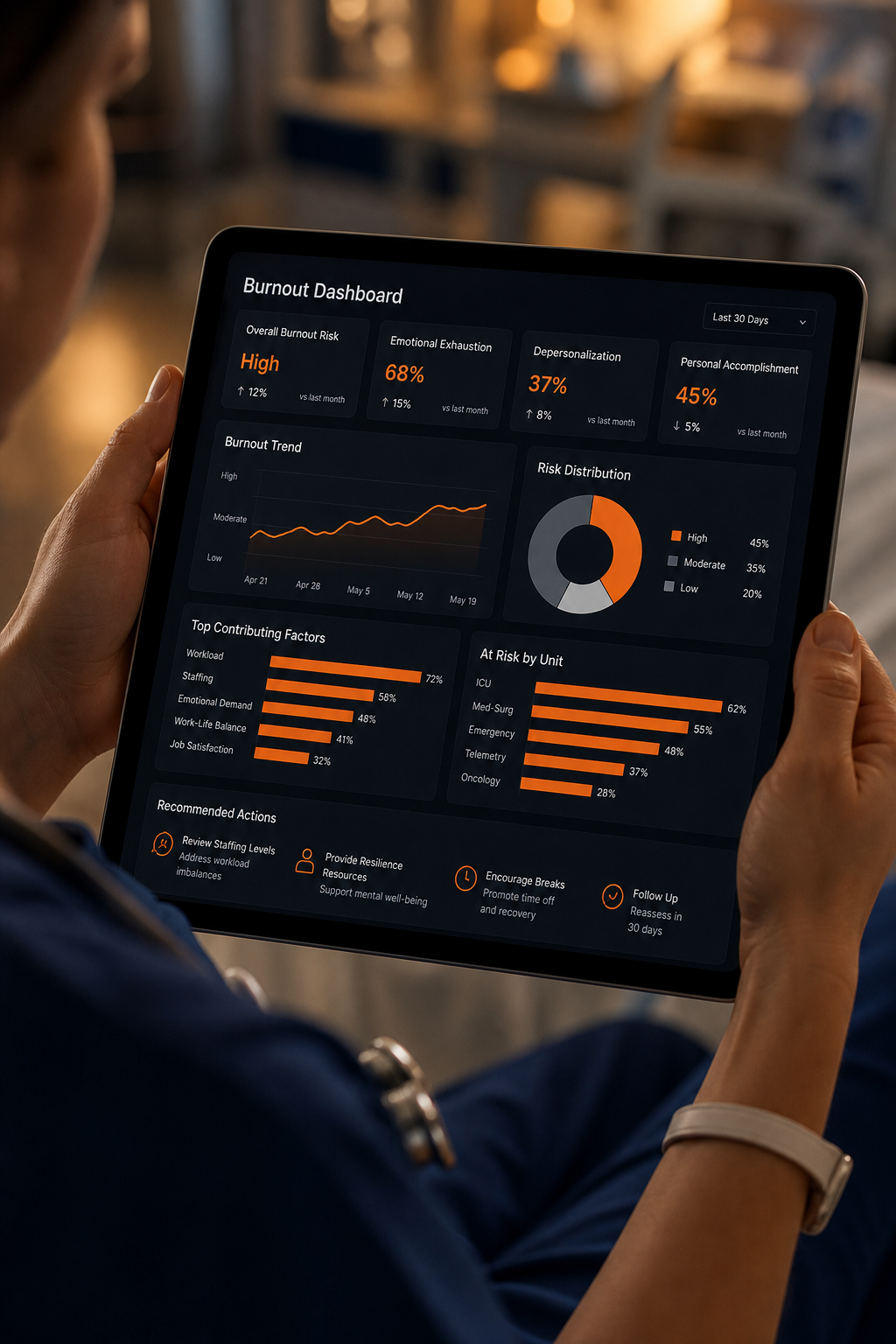
Nurse burnout is rising fast. A quick, honest self‑check can flag the signs before they spill into care quality. This handy shortlist gathers the most used burnout self‑assessments for nurses right now, what each measures, and how to act on the results at the end of a shift. You’ll also find usable tips to translate scores into real work adjustments.A compassion fatigue test can provide deeper insight into caregiver stress. These picks help you decide which tool fits your role, cost, and time constraints, so you can get clarity without more admin.
Below is a focused short list you can trust. The tools vary in approach, access, and scoring. Use the ones that fit your setting and your mood today.
1. Maslach Burnout Inventory (MBI) , Gold Standard Survey
The MBI is the most cited burnout survey in nursing. It measures emotional exhaustion, depersonalization, and personal accomplishment. It suits larger teams and academic settings where licensed access exists, but many clinics find licensing and interpretation limits a barrier on day‑to‑day use. If you access it, plan for 5, 10 minutes per person and a clear admin workflow to reduce coaching time after results.
For busy staff, a quick, confidential read of results can be more usable with a partner tool. MarisGraph’s usable wellness resources offer guidance on turning any burnout score into workplace steps.Stat: 3 core dimensions guide action planning.
2. Copenhagen Burnout Inventory (CBI) , Workplace Focused Scale
The Copenhagen Burnout Inventory emphasizes work‑related burnout, making it popular for hospital units facing staffing pressures. It’s simple to administer online, with a concise item count that fits quick check‑ins during shifts. Use it to spot patterns tied to scheduling or unit workload, then pair results with usable staffing or process tweaks.
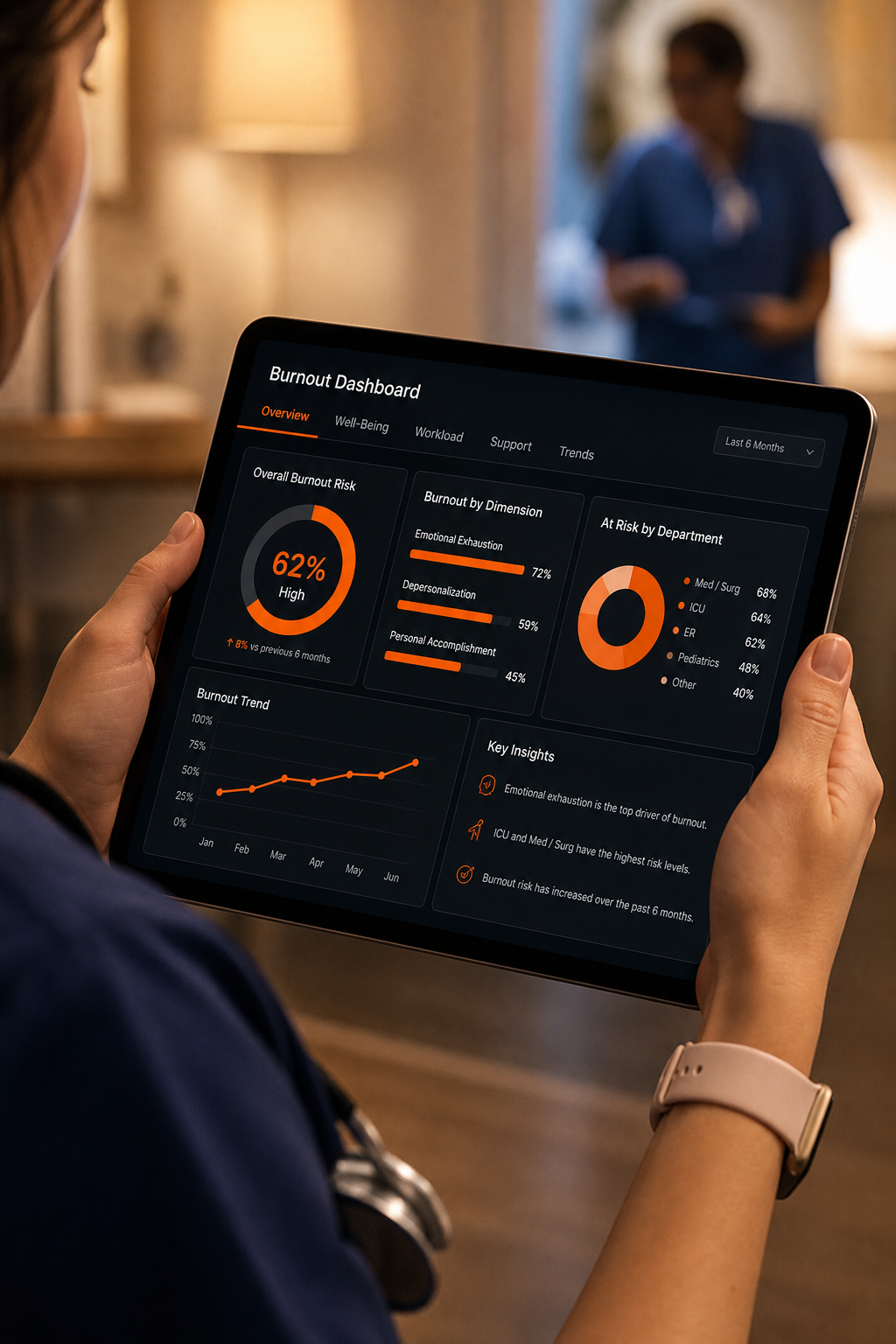
In practice, combine CBI insight with a quick, targeted action plan. See how MarisGraph’s guidance on clinician wellness translates survey signals into specific steps.
3. Oldenburg Burnout Inventory (OLBI) , Simple Dual‑Factor Tool
OLBI uses two factors to capture burnout: exhaustion and disengagement. It’s praised for being straightforward and adaptable across cultures, with validation in nursing populations in multiple settings. Taiwanese work shows OLBI can be reliable when used with proper translation and local validation efforts.
A Taiwanese validation study demonstrates OLBI’s utility for nurses in varied contexts. Taiwanese OLBI validation (peer‑reviewed) confirms reliability and factor structure in clinical units. For readers, this supports OLBI as a usable, clear screen that teams can deploy with limited licensing.
Key Takeaway:Simple tools with clear scoring often drive faster, targeted action on the floor.
4. Professional Quality of Life Scale (ProQOL) , Compassion Fatigue Insight
The ProQOL separates burnout, compassion fatigue, and compassion satisfaction. It helps leaders and front‑line staff see how fatigue and empathy swings affect care. It’s especially helpful in units with high trauma exposure or after critical events, where morale and patient safety are linked to staff well‑being.
Use ProQOL as a pulse check in your department’s wellbeing plan. Compassion fatigue and mindfulness, peer‑reviewed research supports mindful self‑care as a buffer. If you’re curious about workplace impact, the MarisGraph resources can translate scores into usable steps for teams.
5. Nurse Stress Index (NSI) , Quick Stress Snapshot
A 2023 cross‑sectional analysis identified four distinct profiles, informing targeted support. NSI profiles study (peer‑reviewed) supports using profiling to tailor interventions. In practice, pair NSI with quick action plans like micro‑breaks, peer support, and schedule adjustments.6. Burnout Assessment Tool (BAT) , Complete Free Online QuizBAT provides a broad, free online quiz with a structured scoring framework. It’s useful for organizations needing a standardized, no‑cost screen to triage staff who may benefit from in‑house wellbeing programs. Its complete approach makes it a solid first pass in busy clinics that can’t invest in licensing fees upfront.For teams planning long‑term wellness, BAT's manual offers guidance on interpretation and next steps, which helps align clinical leadership with frontline needs. BAT Test Manual (official doc) provides background on items and scoring.7. Emotional Exhaustion Checklist , Rapid Self‑CheckThis quick, pragmatic tool focuses on emotional drain and depersonalization signals. It’s ideal for a 2‑minute stop on rounds or during charting, helping nurses decide if they need to pause, seek support, or adjust workload. It pairs well with micro‑habits that restore energy between tasks.As a usable add‑on, this checklist can be bundled with a short debrief, turning a pause into a recovery moment.8. Custom Hospital Wellness Survey , Tailored Organizational InsightA tailored hospital survey helps capture unit‑specific stressors. It’s especially useful when a hospital wants to map workload, staffing, and policy gaps to burnout risk. Custom surveys offer a quick way to align wellbeing goals with operational realities.Look for tools that can export actionable data for leaders to use in staffing or schedule redesign, rather than just generate a score.Comparison Table: Features & Ideal Use CasesConclusionChoosing the right nurse burnout self‑assessment tool is a balance of rigor, cost, and practicality. The 2026 landscape shows a mix of licensing barriers and free, accessible options. The best pick for many teams is a blended approach: start with a free online screen to flag at‑risk staff, then use a validated measure for deeper insight when needed. The goal is not to diagnose but to reveal where to intervene, whether that’s scheduling tweaks, peer support rhythms, or better rest habits. And remember: a simple, confidential self‑assessment can spark real change, when paired with clear next steps and leadership support. If you’re building a program, consider tying the tool to a specific plan, daily micro‑habits, team check‑ins, and easy access to resources. A comprehensive assessment can track overall wellbeing over time. To learn more, s from e7D‑Wellness and MarisGraph as you roll this out in your unit.Understanding moral injury in healthcare can further clarify underlying stressors.Frequently Asked QuestionsQ1: Is this medical advice?No. These tools provide workplace wellness guidance and have no medical diagnosis value. If you have clinical concerns, talk with a licensed clinician. Use the tools as a first step to identify stress signals and plan usable actions with your supervisor or wellbeing lead.Q2: How should I interpret results?Treat scores as a signal, not a verdict. Look for patterns across time and in relation to shifts. Use them to trigger conversations, rest periods, and workload adjustments rather than to label yourself. Reassess after implementing small changes to track progress.Q3: Do I need to pay for these tools?Some tools are free, some require licensing. Start with a no‑cost screen to gauge risk, then decide if a licensed version is worth the investment for your setting. Many clinics find the cost worth it when it leads to better staffing decisions and lower turnover.Q4: How often should I retake?Periodically is best. Use quarterly checks during high‑demand periods and after major events (surges, retirements, policy changes). Regular check‑ins help catch shifts early and keep action steps fresh.Q5: Can I use more than one tool?Yes. A quick snapshot tool can surface risk, while a longer, validated instrument can confirm where to intervene. Use the second tool to guide a formal action plan with leaders and HR, if needed.Q6: What if I score high burnout?High burnout is a signal to pause, seek support, and discuss workload with leadership. Start with small, doable changes, short breaks, peer check‑ins, and clear boundaries. If distress persists, consider professional mental health support and a formal workplace wellbeing program.
Tool | Ideal Use | Notes |
MBI | Licensing, research, large teams | Proprietary; rigorous but needs admin |
CBI | Workplace focus, quick checks | Free in many settings |
OLBI | Cross‑cultural quick screens | Simple dual factors |
ProQOL | Compassion fatigue awareness | Tri‑dimension view |
14%Exhausted profile in NSI study


Comments