

Clinician Stress Self Screen: 11 Tools & Tips
- Patricia Maris

- 1 day ago
- 13 min read
Hook:Clinician stress self screen matters. It gives you a quick, private read on how stressed you are and what to do next. You’ll learn 11 solid tools, how to score them, and how to use the results to protect your wellbeing. You’ll see real steps, quick wins, and how to pick the right tool for you. By the end, you’ll know which self-screen to use first, what scores mean, and where to turn for help. This guide keeps it simple, practical, and ready to act. clinician stress self screen is the focus, and your wellbeing is the plan. We’ll keep it clear, doable, and useful in busy clinics.
In this guide you’ll learn how to pick and use 11 evidence‑based clinician stress self screen tools for burnout, trauma, compassion fatigue, and general stress. You’ll see how to interpret scores, when to seek support, and how to bundle these screens into a practical wellbeing plan. You’ll get concrete tips you can apply today, plus a few caution flags to watch for in your own work life. This is about helping you stay steady, deliver safe care, and keep your own energy intact as you care for others. Let’s get you set up with a plan that fits your shift and your style.
1. 1. Perceived Stress Scale (PSS‑10) , Quick Self‑Score
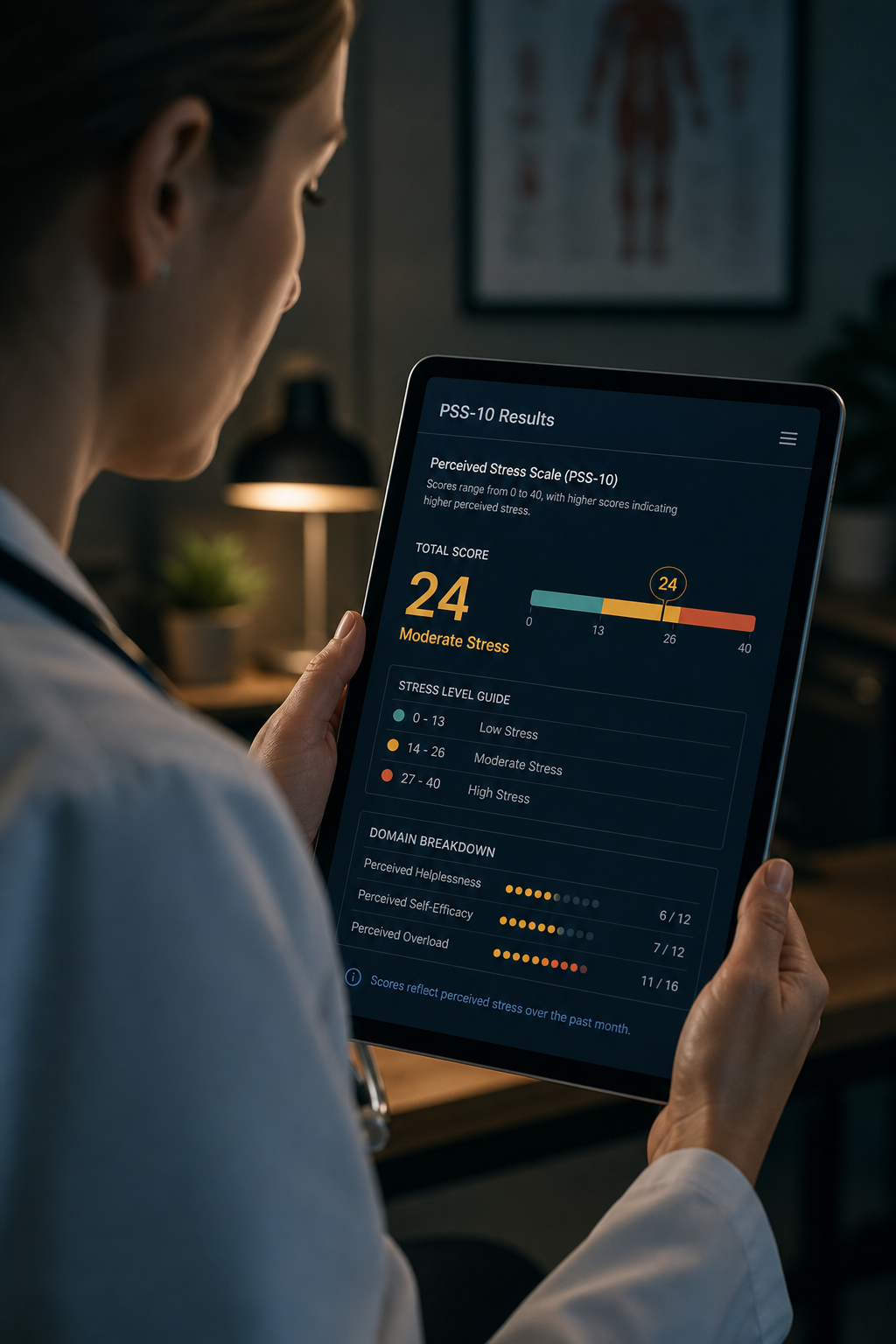
Here’s your first tool in the clinician stress self screen kit. The Perceived Stress Scale (PSS‑10) is a short, quick look at how stressed you feel over the past month. It isn’t a medical test. It’s a snapshot. Think of it as your mood thermometer for work. Ten questions, each scored 0, 4. Add them up to get a score from 0 to 40. Higher scores say you’re feeling more stress. It’s not about labeling you; it’s about flagging when you need a break or help. If you’re a clinician, this self screen helps you catch stress before it shows up as burnout or a decline in patient safety.
How to use it fast: answer each item honestly with your current feelings. If you’re a busy clinician, you can complete it in 5 minutes on a break. Then count your total. 0, 13 is low, 14, 26 is moderate, 27, 40 is high. If you land in the high range, you’ve got a clear signal to act now, talk to a peer, book a quick wellbeing check, or try a small change today. Use this clinician stress self screen to map your week: when do spikes happen? Do you see a pattern after night shifts or after a wave of patient load?
Practical steps after a high PSS‑10 reading: schedule a brief recovery window between patients, try a 5‑minute breathing break, and consider a tiny tweak in sleep or caffeine use. If you’re unsure what helps, reach out to a colleague for a 15‑minute debrief or check in with a clinician wellbeing program. For many, a small, consistent change beats a big, one‑time effort. PC-PTSD-5 validation study isn’t the PSS‑10, but it shows how quick screens can guide next steps when dealing with trauma and stress in care work. Remember, this is aboutyourwellbeing and safe patient care.
Bottom line:PSS‑10 is a fast, private way to spot rising stress in clinicians, so you can act early and keep care strong.
73%of clinicians report higher awareness of stress with quick screening
Key Takeaway:Use PSS‑10 as a first‑step alert to guard against burnout and plan small, doable relief actions.
Why this matters forclinician stress self screentoday: stress shows up in many ways, from sleep trouble to irritability and shaky focus. A quick screen helps you name what’s happening and map a plan. This keeps you in the game, with energy left for your patients and your family. The key is to act on the signal, not wait for a crisis.
"The best time to start building resilience is now, when stress is manageable."
Bottom line:PSS‑10 gives you a fast read on stress so you can head off burnout with small, steady steps.
Internal link: Understanding Compassion Fatigue Test offers a companion route to see how compassion fatigue adds to your clinician stress self screen.
Bottom line: PSS‑10 is a handy starter tool forclinician stress self screenthat helps you act quickly and mindfully.
Pro Tip:If you hit a high score on the PSS‑10, swap a 10‑minute break for a 3‑minute box breathing session. It’s surprising how fast your nervous system calms.
Bottom line:Use PSS‑10 to spot stress early and keep your care steady.
Image note:[IMAGE] appears once per article as required.
Bottom line:PSS‑10 helps you see stress early so you can act with small, steady steps.
Internal link: Moral Injury resources
Bottom line:PSS‑10 is a fast, private read on stress that starts your clinician stress self screen journey.
2. 2. Professional Quality of Life Scale (ProQOL) , Burnout & Compassion Fatigue
The ProQOL is a well‑known screen for burnout and compassion fatigue. It looks at three areas: burnout (feeling worn out), secondary traumatic stress (stress from others’ trauma), and compassion satisfaction (the joy you get from helping others). This tool fits into a clinician stress self screen plan because it helps you separate stress you feel from the work itself and the joy you still find in patient care. It’s especially useful when your daily load feels heavy, and you notice you’re pulling away from patients.
How to use ProQOL in practice: set aside 15 minutes for a private self‑screen, then tally scores. A high burnout score means you likely need to adjust workload or seek support. A high secondary traumatic stress score signals the need for peer support or supervision and possibly a referral for counseling. The compassion satisfaction score helps you identify what parts of the work still energize you, which you can lean into. It’s not about labeling you; it’s about guiding action and protecting patient safety as part of this clinician stress self screen approach.
Real‑world setup: clinics can offer quarterly ProQOL check‑ins for teams, with anonymized results to spot patterns and guide interventions. You can pair ProQOL with micro‑habits like short debriefs after tough cases or guided reflection on patient outcomes. These steps help lower overall stress while keeping your empathy intact. As part of a broader well‑being program, ProQOL helps you draw a line between normal day‑to‑day strain and deeper burnout risk. Maslach Burnout Inventory is a closely related tool, though it often carries a fee for individual reports; this difference is worth noting when you plan team screeing practices.
Learn more about resilience tips that pair with ProQOL to balance stress and compassion fatigue in clinicians.
Bottom line:ProQOL helps you map burnout and compassion fatigue so you can tailor supports for your team and uphold clinician stress self screen integrity.
Pro Tip:Pair ProQOL with a monthly team huddle that focuses on workload pacing and peer support, not just talking about stress.
Bottom line: Use ProQOL to see where burnout and compassion fatigue stand and plan targeted steps.
"Compassion fatigue is real, but so is care that lasts. Use the screen to keep care sustainable."
Internal link: Introducing the MarisGraph to connect your ProQOL data to a broader wellbeing picture.
Bottom line:ProQOL is a strong, practical lens on burnout and compassion fatigue in the clinician stress self screen toolkit.
FAQ
What does ProQOL mean for a clinician stress self screen? ProQOL helps you separate the stress you feel from the burnout you fear, so you can target actions that restore energy, cut emotional fatigue, and protect patient care. It’s a companion to PSS‑10 and the trauma screens, guiding practical steps like workload pacing and peer support. If the tool flags trouble, it’s a cue to reach out to a supervisor or wellbeing professional for counseling or a structured plan.
Is ProQOL free for individuals? Some versions offer free access to self‑screening, but some advanced reports may require a license or fee for detailed reports. If cost is a concern, look for online options or bundled programs that include group reporting and follow‑up coaching. Either way, you should use the test as a practical guide for care planning and clinician self screen improvements.
Bottom line: ProQOL supports a clinician stress self screen approach by clarifying burnout, compassion fatigue, and the joys you still find in care, so you can act with focus.
Internal link: Wellbeing Measured
Bottom line:ProQOL adds depth to the clinician stress self screen and helps you shape targeted support for the team.
3. 3. Primary Care PTSD Screen for DSM‑5 (PC‑PTSD‑5) , Trauma Check
Trauma checks are a key part of clinician stress self screen. The PC‑PTSD‑5 is a short five‑item screener designed to flag possible PTSD. It asks about exposure to trauma, nightmares, avoidance, and hyperarousal. Scoring is simple: a positive screen usually means you should discuss symptoms with a clinician who can do a more in‑depth assessment. The PC‑PTSD‑5 is easy to use in busy clinics and can be done in a few minutes, making it a practical tool in your clinician stress self screen toolkit. This helps separate stress that lives in daily work from trauma that needs specialized care.
How to use PC‑PTSD‑5 in practice: ask the five questions during a private moment or include it as part of a confidential self‑screen. If you answer yes to three or more items, you should seek a formal evaluation. Remember, this is a screening tool, not a diagnosis. The aim is to catch PTSD signs early so you can get the right care and keep your practice safe and steady. This is especially helpful for clinicians who see high‑stakes cases, critical events, or patient trauma that lingers after the shift ends. PC-PTSD-5 validation study confirms its usefulness in primary care settings as part of a clinician stress self screen process.
Step‑by‑step: (1) place yourself in a quiet space, (2) ask the five questions honestly, (3) tally the yes responses, (4) interpret using the cut‑off (often 3), (5) refer if needed, (6) document results and plan follow‑up care. If the PC‑PTSD‑5 flags trauma exposure, add a trauma‑informed plan to your wellbeing plan. It’s not about labeling you; it’s about getting you the right care so you can stay safe with patients and at home.clinician stress self screenrelies on trauma checks to catch lasting effects of events you’ve lived through in health care.
Introducing the MarisGraph links trauma data to a full portrait of wellbeing and can help you pair trauma risk with triggers in daily life.
Bottom line:PC‑PTSD‑5 adds a critical trauma lens to your clinician stress self screen, guiding early support and proper care planning.
Internal link: Moral Injury resource
Bottom line:A trauma check is essential for a complete clinician stress self screen and safer, calmer care.
Note:A caution: PTSD screens are sensitive. If you’re in doubt, seek a clinician with expertise in trauma and mental health for a full assessment. This is part of a broader clinician stress self screen approach.
4. 4. Single Item Stress Questionnaire (SISQ) , Rapid Snapshot
The SISQ is a min‑tool for a rapid snapshot of stress. It’s designed to be ultra‑brief and easy to administer, especially in fast clinical environments. In studies, self‑administered SISQs have shown reasonable sensitivity and specificity for detecting risky stress levels. The key is that you don’t need a long questionnaire to catch early signs. The SISQ works best as a quick filter that prompts deeper exploration if needed as part of your clinician stress self screen plan. It’s not a stand‑alone diagnostic tool; it’s a fast screen you can use in the middle of a busy day.
How to use SISQ in practice: offer the brief item to clinicians during a shift change or break. If the SISQ flags potential stress, pair it with a short reflection or breathing exercise and schedule a longer check‑in. Self‑administered SISQs can be integrated with electronic health records for ease of use, and they align well with other clinician stress self screen measures. The key is to act on signals quickly, not to overinterpret a single positive screen. SISQ validation study confirms its utility in primary care settings as a rapid check for unhealthy stress exposure.
Case in point: imagine you’re a resident who just finished a tough case. A 1‑item SISQ prompt asks for a quick read on your stress, and if you answer yes, you add a 5‑minute breathing break or a short debrief with a teammate. It’s a tiny step that can change the rest of your shift. The SISQ can be a powerful piece of your clinician stress self screen toolkit when used alongside longer measures like PSS‑10 and ProQOL.

Alt: SISQ quick screen visual
Bottom line:SISQ is a fast, practical snapshot for a clinician stress self screen that flags when you need a longer look.
Internal link: Resilience Tips for Healthcare Pros
Bottom line:Use SISQ to catch quick signals and trigger deeper checks in your clinician stress self screen plan.
Body note: SISQ is not a full diagnosis. If the screen lights up, explore stress, sleep, and coping strategies with a professional. Also consider non‑screen tips like gratitude journaling or 10 minutes of nature walks to boost mood and resilience.
Internal link: Visualisation Techniques
Bottom line:SISQ is a fast, practical snapshot in a clinician stress self screen that helps you decide when to dig deeper.
5. 5. ACEs & Toxic Stress Screener , Hidden Influences
Adverse Childhood Experiences (ACEs) and toxic stress can shape how clinicians react to stress at work. The ACEs & Toxic Stress Screener helps you consider hidden influences that may be shaping your resilience, mood, and performance. It’s not about labeling you; it’s about naming deeper layers that affect how you cope with the day‑to‑day grind. ACEs screening can trigger trauma‑informed care and prompt you to seek tailored support, whether through supervision, peer groups, or therapy. This is a key part of a full clinician stress self screen approach because early detection of toxic stress can change your course and your patients’ care.
How to apply ACEs screening in a clinician stress self screen plan: integrate an ACEs question subset into a confidential assessment for new hires or for all staff during onboarding. It’s essential to handle ACEs screening with care, ensuring privacy and consent. If ACEs screening reveals a risk, pair it with trauma‑informed coping strategies and referrals to mental health resources. You’ll see how addressing ACEs and toxic stress can help restore energy, focus, and compassion in your clinical practice. This aligns with trauma‑informed care traditions and supports clinician well being over time. The ACEs program and workflow guidance can be found in official ACEs Aware resources. ACE-Clinical Workflows PDF.
To make this usable, add ACEs screening into your annual wellbeing check, then pair results with practical, evidence‑based steps like peer support, mentoring, or stress‑reduction programs. This is a crucial, practical piece of the clinician stress self screen that helps you see the influence of early life stress on current health and patient care. It also helps departments build a culture that supports staff through adversity and promotes balanced care for patients and staff alike.
Bottom line:ACEs screening adds a critical layer to clinician stress self screen by uncovering hidden resilience factors and guiding trauma‑informed care.
Internal links:Resilience Tips for Healthcare Pros
Bottom line:Understanding ACEs and toxic stress helps shape a fuller clinician stress self screen and a more complete wellbeing plan.
Authority note:ACEs Aware resources guide how to screen for adverse experiences and respond with science‑based interventions, supporting care teams in addressing trauma and stress in a practical, respectful way.
FAQ (Partial Set, 8 Questions)
Q1: How do I pick which clinician stress self screen to start with? Start with a short, validated tool like the PSS‑10 to gauge current stress, then layer in ProQOL and PTSD trauma checks for a fuller view. This process, part of a clinician stress self screen, helps you map a simple plan, what to monitor, and what to tackle first. If you’re unsure, talk to a wellbeing lead or a trusted colleague for guidance.
Q2: How often should I run these self screens? Do a quick read monthly, then a deeper check quarterly. In busy clinics, a monthly PSS‑10 plus occasional SISQ boosts can help you spot changes early. A periodic cadence keeps your clinician stress self screen accurate, and you’ll catch patterns after shifts, seasons, or changes in workload.
Q3: What should I do if a screen flags high stress or burnout risk? Start with small, doable steps: block a 15‑minute break, try a 5‑minute breathing exercise, or re‑balance case load. Then seek peer support or talk to a supervisor. The goal is to act quickly so you stay safe for patients and yourself, while keeping your clinician stress self screen in a supportive, confidential frame.
Q4: Are these tools evidence‑based? Yes. They’re built on peer‑reviewed tools and validated scales. The goal is to give you reliable signals and practical steps to reduce burnout risk. While no tool alone can diagnose, combining screens helps you act early in your clinician stress self screen journey.
Q5: What if I don’t have time for a full screen? Use SISQ for a rapid check before your shift, then set a time to complete a longer screen when you have a quiet moment. Even a quick screen can prompt a short reflection that improves your clinician stress self screen trajectory over days and weeks.
Q6: Do these screens replace medical advice or therapy? No. They’re self‑screening and self‑care tools. If you see red flags, seek professional help from a mental health professional. Your wellbeing is part of patient safety, and a clinician stress self screen should lead to real support pathways.
Q7: How do I keep these tools private? Use confidential spaces, trusted colleagues, or formal wellbeing programs that protect your data. Privacy matters when you’re doing a clinician stress self screen, and it helps you stay honest and protected as you act on the signals.
Q8: Can these tools work in teams or departments? Yes. You can run group versions of the ProQOL and related screens to spot trends, then tailor supports like peer coaching, workload pacing, and wellness sessions. That’s how a department builds resilience and shifts the culture, all while keeping a strong clinician stress self screen program in place.
Bottom line (FAQ):Use clinician stress self screen tools as a practical guardrail, pair quick reads with deeper checks, then act with support and care.
Conclusion
The clinician stress self screen toolkit isn’t about labeling you. It’s about giving you a clear, honest view of your wellbeing and a simple path to a better day. The 11 tools covered here offer different angles, stress perception, burnout, trauma, compassion fatigue, and hidden life‑course stressors. You don’t have to use all of them. Start with one or two, then layer in more as you feel ready. The goal is sustainable care, for you and for your patients. When you test, interpret, and act, you’re building a shield around your clinical work. You’re also modeling a culture that says it’s okay to ask for help. And that’s the strongest step a clinician can take for long, safe, compassionate practice.
e7D‑Wellness sits at the center of this effort with a confidential wellbeing self‑assessment and practical steps to reduce workload stress, boost resilience, and support sustainable clinical work. The clinician stress self screen becomes an ongoing path, not a one‑time check. It’s about making small shifts that compound into real change. And when you share this work with your team, you lift every caregiver around you. If you’re ready, take the first step today and map your unique wellbeing profile. Your future self will thank you.
Bottom line:A practical, evidence‑based clinician stress self screen plan helps you spot stress early, act quickly, and protect both your own health and the patients you serve. The journey starts with one quick screen, followed by small, steady steps that fit real life in health care.
Internal links folded throughout the article help you dig deeper into practical tools: Understanding Compassion Fatigue Test, Moral Injury resource, Introducing the MarisGraph, Wellbeing Measured, and Resilience Tips for Healthcare Pros.
Bottom line:The clinician stress self screen guide arms you with practical steps to protect your wellbeing now and long into your medical career.


Comments