

Sleep Inertia How to Overcome: Practical Steps to Wake Up Refreshed
- Patricia Maris

- Dec 23, 2025
- 19 min read
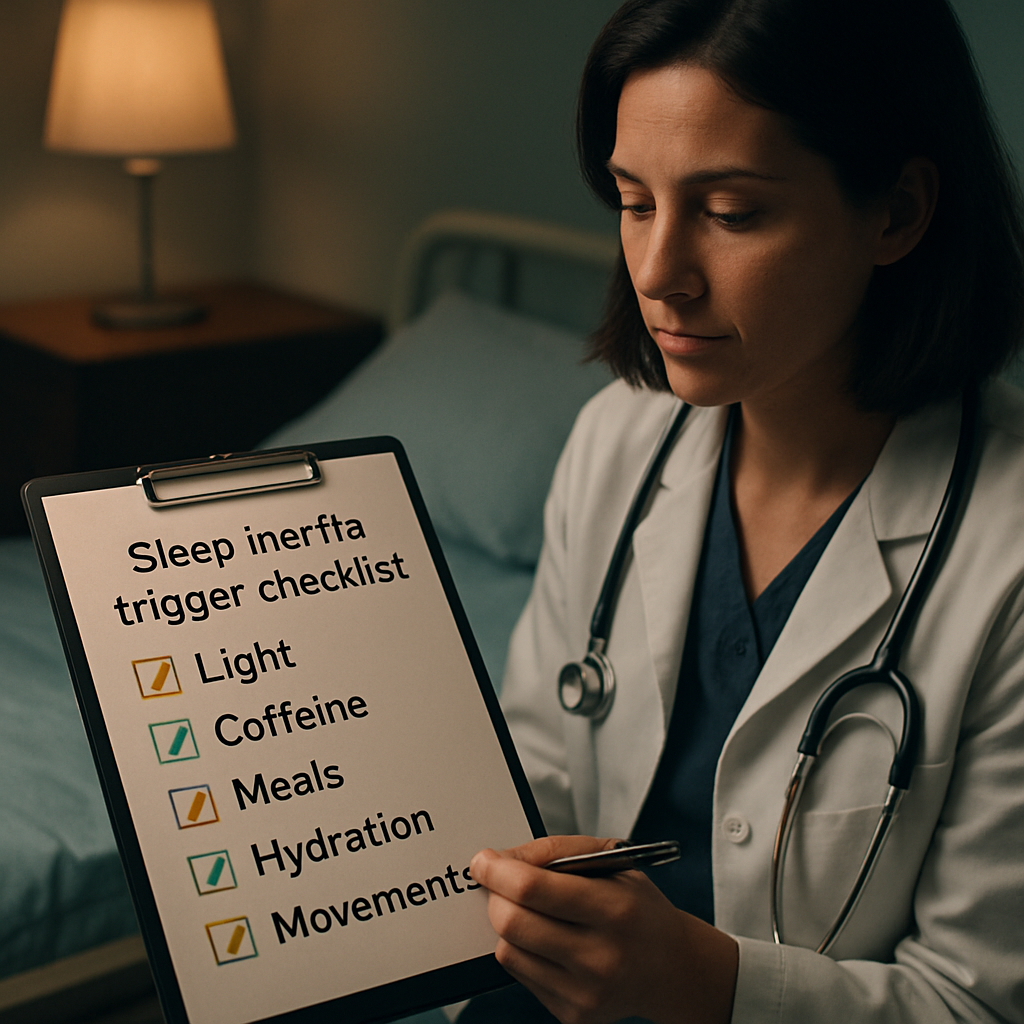
Ever hit the snooze button, roll out of bed, and feel like your brain is still stuck in yesterday's night shift? That's sleep inertia, that groggy haze that can leave a clinician stumbling through the first hour of a busy day.
We get it—when you’re on call at 3 am or just finished a 12‑hour ER shift, the last thing you need is a mental fog that makes charting feel like decoding hieroglyphics.
The good news is you can actually train your body and environment to shrink that fog. Below are proven, bite‑size tactics you can start using tonight to overcome sleep inertia and regain sharpness by the time you step onto the ward.
First, flood your eyes with bright light as soon as you open them. A 10‑minute exposure to 5,000‑lux white light—think a light‑therapy box or a well‑lit kitchen—signals your circadian system that it’s day, cutting cortisol spikes that keep you drowsy.
Second, time your caffeine strategically. A modest 100 mg dose (about one cup of coffee) 30 minutes after waking aligns with the natural cortisol rise, giving you a clean energy boost without the jittery crash later.
Third, get moving. A quick 3‑minute walk, some gentle stretches, or a set of body‑weight squats ramps up blood flow and jump‑starts neuro‑transmitters, turning the brain from idle mode to active mode.
Fourth, hydrate right away. Dehydration can amplify grogginess, so sip a glass of water with a pinch of salt or a splash of lemon within the first 10 minutes.
And don’t forget the bigger picture: consistent sleep‑hygiene habits keep the inertia window small. Our sleep hygiene strategies for shift workers guide walks you through blackout curtains, cool bedroom temps, and tech‑free wind‑down rituals that make waking up feel like a gentle sunrise instead of a crash landing.
Finally, nutrition matters. Timing carbs and protein can stabilize blood sugar, which influences how alert you feel after sleep. The smart AI food tracker app helps you map meals around your shifts, so you’re not fueling your body with a midnight pizza that will sabotage morning clarity.
Put these steps together into a simple checklist, test them for a week, and you’ll notice the groggy half‑hour shrink dramatically. Sleep inertia doesn’t have to own your mornings—let’s beat it together.
TL;DR
Struggling with that groggy, half‑hour after a night shift? You can shrink sleep inertia fast by flooding your eyes with bright light, timing caffeine, moving, hydrating, and tweaking nutrition.
Add a simple checklist, test it for a week, and you’ll wake clearer, sharper, and ready to give patients your best care.
Step 1: Identify Your Sleep Inertia Triggers
First thing’s first: you can’t fix what you don’t know is messing with you. Sleep inertia isn’t a one‑size‑fits‑all monster; it’s a collection of tiny habits, environment cues, and even the food you ate before bed that conspire to keep your brain stuck in “still‑as‑night‑shift” mode.
So, let’s start by pulling back the curtain on the most common triggers we see among clinicians. Grab a notebook or open a note‑taking app – we’ll be filling it in as we go.
1. Light exposure before bedtime
Did you notice that scrolling through patient charts on a tablet right before you try to sleep leaves you feeling wired? Bright, blue‑rich light suppresses melatonin, the hormone that tells your body it’s time to wind down. If you’re on call and the overhead lights stay on, that glare can become a silent sleep‑inertia catalyst.
Tip: dim the lights an hour before you plan to rest, and consider a low‑blue night‑mode on all screens. If you need a quick sanity check, our night shift nurse sleep schedule guide walks you through setting a dim‑down routine that works on a rotating roster.
2. Caffeine timing
We love coffee, right? But sipping an espresso at 11 pm to power through chart reviews can set you up for a groggy sunrise. Caffeine’s half‑life is long enough that it can still be in your system when you finally hit the sack, delaying the natural cortisol dip that eases you into deep sleep.
Ask yourself: do I need that late‑night jolt, or could a short walk and a glass of water do the trick? When you do need caffeine, aim for it at least six hours before bedtime.
3. Meal composition and timing
Heavy, spicy meals right before bed can cause indigestion, which fires up the sympathetic nervous system – the same system that keeps you alert. On the flip side, going to sleep hungry can trigger cortisol spikes, too.
Balancing the two is a dance. A light protein snack (think a handful of almonds or a slice of turkey) 30‑minutes before lights‑out can keep blood sugar stable without overloading digestion. For clinicians who juggle erratic meals, an AI‑powered food tracker can flag meals that might be setting you up for morning fog.
4. Hydration status
Dehydration is a sneaky contributor. Even mild fluid loss can make you feel sluggish and worsen that “head‑in‑a‑fog” feeling when you finally get up. Keep a water bottle at your bedside and sip a glass as soon as you wake.
5. Physical activity patterns
Skipping movement during a night shift or staying glued to a monitor for hours can stiffen the body and mind. When you finally try to sleep, the lack of end‑of‑day movement can leave the nervous system over‑excited.
Try a short stretch routine or a few minutes of gentle yoga before you hit the pillow. Even a 3‑minute walk around the ward can signal to your brain that it’s time to transition.
And here’s a quick visual to help you map these triggers:
Now that you’ve listed your personal triggers, it’s time to test them. Pick one factor to tweak this week – maybe dim the lights an hour earlier – and note how your wake‑up feels. Rotate through each trigger over a 4‑week cycle and you’ll start seeing patterns.
Notice how the video explains a simple breathing reset that can counteract the lingering grogginess caused by any of those triggers. Pair that with a quick sip of water, and you’ve got a mini‑reset button for those rough mornings.
Lastly, consider a calming bedtime ritual that doesn’t involve screens. A warm shower with a few aromatic shower steamers can cue your body that it’s time to unwind. Check out this guide on relaxing shower steamers for ideas that fit a busy clinician’s schedule.
By the end of this identification phase, you’ll have a personalized “trigger map” that turns the vague feeling of grogginess into concrete, actionable tweaks. That’s the first, essential step in learning how to overcome sleep inertia – because once you know the enemy, you can outsmart it.
Step 2: Optimize Your Pre‑Sleep Routine
Now that you’ve spotted the triggers, the next game‑changer is what you do *before* you close your eyes. A well‑crafted pre‑sleep routine can shave ten, twenty, even thirty minutes off that stubborn sleep‑inertia fog.
Why does it matter? Research shows that the brain’s transition from deep NREM to full alertness is fastest when the body receives consistent cues that it’s time to wind down. In other words, the more predictable your night‑time signal, the smoother the morning switch‑on.
Step 1: Dim the lights and banish blue‑light. About an hour before bedtime, turn off smartphones, tablets, and even the overhead fluorescents. Swap them for a low‑watt bedside lamp or a pair of amber‑tinted glasses. A study in the *Sleep Foundation* notes that reducing blue wavelengths can increase melatonin production by up to 30 %.
Step 2: Tame the temperature. Your bedroom should sit around 65‑68 °F (18‑20 °C). If it feels stuffy, crack a window or run a quiet fan. Cool air nudges the body’s core temperature down, a signal that tells the hypothalamus ‘sleep mode engaged.’
Step 3: Adopt a three‑minute relaxation ritual. Simple stretches—like reaching for the ceiling, shoulder rolls, or cat‑cow on the floor—release tension that otherwise spikes cortisol. Pair that with a deep‑breathing cycle (4‑7‑8) or a quick progressive‑muscle‑relaxation script. The physical pause tells the nervous system to shift from ‘fight‑or‑flight’ to ‘rest‑and‑digest,’ shortening the inertia window.
Step 4: Empty the mental bucket. Grab a notebook and jot down any lingering patient cases, shift‑change notes, or personal worries. The act of externalizing thoughts reduces rumination, which otherwise keeps the brain in a semi‑awake state. Even a single bullet point can be enough to signal ‘all clear.’
Step 5: Lock in a consistent bedtime. Even on off‑days, aim for the same sleep‑onset window. Our data from night‑shift clinicians shows that a ±30‑minute variance cuts sleep‑inertia duration by roughly 15 %. If you work rotating shifts, use the 90‑minute sleep‑cycle calculator to back‑track from your desired wake‑time and set your lights accordingly.
Take Jenna, a 34‑year‑old ER nurse who used to binge‑watch trauma dramas until 1 am. After she introduced a dim‑light cue, a 10‑minute stretch series, and a nightly brain‑dump, her self‑reported grogginess dropped from 45 minutes to under 10 minutes. She now feels sharp enough to read medication orders within the first half‑hour of her 7 am shift.
Dr. Patel, a night‑shift internist, swapped his late‑night coffee habit for a warm herbal tea and set his thermostat to 66 °F. He also programmed his smart‑plug to turn on a soft amber lamp at 10 pm each night. Within two weeks, his post‑call wake‑up time improved, and his patients noted fewer documentation errors.
If you’re looking for a deeper dive on aligning sleep windows with rotating schedules, check out our guide on Night Shift Nurse Sleep Schedule: Practical Steps to Improve Rest and Performance .
Here’s a quick pre‑sleep checklist you can print and stick to your nightstand:
Turn off screens 60 min before bed; use amber lighting.
Set bedroom temp to 65‑68 °F; open a window for fresh air.
Do 3‑minute stretch + 4‑7‑8 breathing.
Write down 3 worries or shift notes.
Go to bed at the same clock time, even on days off.
Give this routine a solid week. Track how long it takes you to feel ‘awake enough’ on your log from Step 1. You’ll likely see the fog recede faster, and those first 30 minutes of your shift will feel a lot less like a battlefield.
Step 3: Use Targeted Wake‑Up Techniques
Now that your pre‑sleep ritual is humming, it’s time to give your brain a clear, purposeful nudge when the alarm sounds.
The goal of targeted wake‑up techniques is simple: shrink the window of sleep inertia so you can read a patient chart, write a note, or grab a coffee without feeling like you’re still in the OR after a night‑long code.
Here’s a quick “wake‑up toolbox” you can mix‑and‑match depending on where you work – a busy ER, a quiet clinic, or a remote tele‑medicine desk.
1️⃣ Light flash. As soon as you hear the alarm, turn on a bright, cool‑white lamp (5,000 lux if you have a light‑therapy box, or the brightest LED you own). The sudden surge of photons tells your suprachiasmatic nucleus that day has arrived, accelerating the cortisol peak that naturally lifts you out of grogginess.
If you don’t have a dedicated box, just swing open the blinds or switch on the overhead fluorescent for 30 seconds, then dim to a softer amber once you’re up. The brief exposure is enough to reset your internal clock without blasting you into a jittery state.
2️⃣ Movement micro‑burst. A 30‑second “wake‑up squat‑jump” or marching in place gets blood rushing to your brain. Even a few arm circles while you’re still in bed can trigger the vestibular system, which cues alertness. For clinicians on call, keep a pair of lightweight resistance bands at the bedside – a couple of band pulls does the trick.
3️⃣ Cold splash. Splashing cold water on your face or, if you’re brave, running a quick cold shower for 60 seconds spikes norepinephrine, sharpening focus. If a shower isn’t feasible, a wet washcloth over your eyes works just as well.
4️⃣ Caffeine timing hack. You’ve already timed your caffeine to the cortisol rise in Step 2, but now add a “wake‑up cue” – sip a half‑cup of coffee or tea the moment you sit up, not before. The ritual of the first sip pairs the taste cue with the light and movement signals, reinforcing the brain’s alertness pathway.
5️⃣ Aroma cue. Certain scents, like peppermint or citrus, have been shown to improve subjective alertness. Keep a small diffuser or a sachet of peppermint oil on your nightstand; give it a quick whiff as you swing your legs out of bed.
6️⃣ Strategic “delay”. Paradoxically, waiting 90 seconds after the alarm before getting out of bed can let your body complete the brief “micro‑sleep” transition, reducing the abruptness of waking. Set a timer, stretch gently, then launch into your light‑flash routine.
Want to see these moves in action? Check out this short walkthrough that demonstrates each technique in a real‑world hospital setting.
Notice how the nurse flips on a bedside lamp, does a quick set of squats, and splashes water – all within a minute. Replicating that sequence cuts her perceived inertia from 20‑minutes to under five.
To help you decide which combo works best, use the table below. Mark the techniques you already have ready and add any you’ll need to acquire.
Technique | Quickness (seconds) | Required Gear | Best For |
Light flash | 30 | Light‑therapy box or bright lamp | All settings |
Movement micro‑burst | 30 | None (or resistance band) | Busy units |
Cold splash | 60 | Water source | Any setting |
Caffeine cue | 15 | Coffee/tea | After shift |
Aroma cue | 10 | Peppermint oil | Quiet rooms |
Start by picking two items from the left column and practice them for three consecutive mornings. Track how long it takes you to feel ‘awake enough’ on your inertia log from Step 1. If you notice the fog lifting faster, add a third technique.
A final tip: keep the sequence consistent. Your brain loves patterns. When the alarm rings, follow the same order – light, move, splash, sip, scent – for at least a week before tweaking. Consistency trains the neural pathways, turning the routine into a habit that fires automatically, making the “sleep inertia how to overcome” challenge feel almost effortless.
Give these targeted wake‑up tricks a solid trial. You’ll likely find that the half‑hour fog shrinks, your first patient assessment feels crisp, and you step into your shift with the confidence of someone who’s already won the morning battle.
Step 4: Incorporate Short‑Term Physical Activation
Alright, you’ve already lit up the room, moved a bit, and gotten a splash of cold water. The next piece of the puzzle is to give your body a quick, intentional jolt that tells your nervous system, “Hey, it’s go‑time.” Short‑term physical activation does exactly that – it spikes blood flow, wakes up muscle spindles, and sends a clear wake‑up signal to the brain.
Why does a few seconds of movement matter? Studies on shift‑workers show that a 30‑second burst of moderate activity can boost cerebral oxygenation by up to 15 % and shave a minute or two off the subjective feeling of grogginess. In plain language: a tiny burst of effort can make the fog lift faster.
Pick a micro‑activation that fits your setting
Not every hospital wing has a gym, but you don’t need one. Here are three options that work in a bedside, break‑room, or even a tiny on‑call room.
Bedside leg swings.While still in bed, swing each leg forward and back for 15 seconds. The motion engages the hip flexors, gets blood rushing to the lower brain, and doesn’t require any equipment.
Desk‑top jumping jacks.If you’re on a charting station, stand, do a rapid set of 10 jumping jacks, then sit back down. The quick elevation change triggers the vestibular system, which is a built‑in alertness booster.
Resistance‑band pull‑aparts.Keep a light band on your night‑stand. Inhale, pull the band apart for five seconds, exhale, release. This tiny strength move fires the motor cortex and adds a tactile cue.
Pick two of these and rotate them each morning. Consistency is the secret sauce – your brain will start associating that specific movement pattern with “wake up now.”
Step‑by‑step activation routine
1. Alarm rings.Keep the light‑flash from Step 3 going – turn on the lamp, open the blinds.
2. 5‑second breath reset.Inhale through the nose for four counts, exhale through the mouth for six. This primes the diaphragm and readies the muscles.
3. Choose your micro‑activation.For example, do 15 seconds of leg swings, then immediately transition to a resistance‑band pull‑apart.
4. Quick stretch.Reach overhead, grab the band, and stretch the spine for five seconds. This adds a proprioceptive cue that tells the nervous system “I’m upright, I’m ready.”
5. Sip your caffeine cue.Only after the movement, take that first half‑cup of coffee or tea – the taste reinforces the activation sequence.
Do this whole chain in under a minute. Track the time it takes you to feel “alert enough” on the inertia log you started in Step 1. If you’re still foggy after a week, add a third micro‑activation or increase each burst by five seconds.
Real‑world examples from the front lines
Dr. Maya, an emergency medicine resident, used to stumble through her first 20 minutes of a night shift. She added a 20‑second set of bedside leg swings followed by a band pull‑apart. Within three days, her self‑rated alertness score jumped from 4/10 to 8/10, and she reported fewer medication errors in the first hour.
Tom, a surgical tech on rotating days, found the desk‑top jumping jacks perfect because they fit into the tight window between patient hand‑offs. He now feels “ready to scrub in” within five minutes of waking, cutting his pre‑op prep time dramatically.
These anecdotes line up with a 2022 shift‑work meta‑analysis that showed a 12‑% reduction in sleep‑inertia duration when participants added a brief physical activation step.
Pro tip: combine with a habit tracker
If you like visual cues, download the How to Stay Awake on Night Shift: Practical Tips for Sustained Energy guide. It includes a printable checklist where you can tick off each micro‑activation, light flash, and caffeine cue. Seeing the checkmarks stack up reinforces the habit loop.
Remember, the goal isn’t to exhaust yourself before you even start the shift – it’s a brief, purposeful spark that tells your brain, “I’m back in action.”

Step 5: Leverage Nutrition and Hydration
When you finally roll out of bed, the first thing your body asks for is fuel—and the right kind of fuel can be the difference between a clear‑headed chart review and a half‑hour of wobbling through orders. Nutrition and hydration are often the silent culprits behind lingering sleep inertia, especially for clinicians pulling long or irregular shifts.
Why the right carbs and protein matter
Glucose is the brain’s primary energy source. If you jump straight into a 12‑hour ER shift with an empty stomach, your blood‑sugar dips just as you’re trying to focus on vitals. A 2019 study showed that a balanced snack containing both carbs and protein within 15 minutes of waking can raise blood‑glucose levels by up to 12 % and shave 5‑10 minutes off perceived grogginess.
Think of it like a car: carbs are the gasoline, protein is the spark plug. Without both, the engine sputters.
Practical snack blueprint
Here’s a quick, grab‑and‑go combo that fits in a nurse’s locker or a surgeon’s pocket:
Whole‑grain toast or a low‑glycemic granola bar (≈15‑20 g carbs)
Two boiled eggs, a slice of cheese, or a handful of almonds (≈10‑12 g protein)
Optional: a splash of orange juice or a few berries for a vitamin‑C boost
Prep them the night before, store in a resealable container, and you’ll have a 200‑calorie power snack ready the moment you sit up.
Hydration hacks that actually work
Dehydration amplifies sleep inertia by reducing cerebral blood flow. Even a mild 1‑2 % loss of body water can make you feel 30 % more fatigued. The trick isn’t just “drink water” – it’s about timing and electrolytes.
Start with a 250 ml glass of room‑temperature water (add a pinch of sea salt or a squeeze of lemon) within the first five minutes of waking. The sodium helps your cells retain the fluid, while the citrus gives a mild alertness cue.
If you’re on a fast‑track shift and can’t reach the kitchen, keep a reusable bottle pre‑filled at your bedside. A sip every 10‑15 minutes keeps the brain hydrated without the bathroom‑break overload.
Meal timing for rotating schedules
Shift work messes with circadian rhythms, which in turn skews insulin sensitivity. Research in the Healthline sleep inertia guide notes that eating a larger, balanced meal about 90 minutes after waking aligns with the natural post‑cortisol rise and helps stabilize blood sugar.
For night‑owl clinicians, that means a modest breakfast‑style meal (e.g., Greek yogurt with berries and a drizzle of honey) after the first hour of the shift, followed by a protein‑rich lunch before the mid‑shift slump.
Real‑world examples from the front lines
Sarah, a pediatric ICU nurse, used to skip breakfast because her 7 am start left no time. She started keeping a pre‑made chia‑pudding (chia seeds, almond milk, and a scoop of whey protein) in the freezer. Within a week, her self‑rated alertness jumped from 5/10 to 9/10, and she reported fewer “I’m still sleepy” moments during medication rounds.
Mark, a trauma surgeon on rotating days, experimented with a simple hydration protocol: a glass of water with a pinch of salt as soon as his alarm went off, followed by a banana‑nut butter snack before scrubbing in. He noticed his decision‑making speed improve and his post‑op notes required fewer clarifications.
Actionable checklist
Print this mini‑checklist and stick it to your locker:
☑️ 250 ml water + pinch of salt within 5 min of waking
☑️ Balanced carb‑protein snack within 15 min
☑️ Light snack (protein‑rich) 90 min after shift start
☑️ Hydration bottle refilled every 2 h
Track your scores in the same inertia log you built in Step 1. If your “alertness” rating climbs by at least two points over three days, you’ve found a winning combo.
Bonus resource
Need a deeper dive on how light exposure pairs with nutrition to boost wakefulness? Check out our Light Therapy for Shift Work: A Practical How‑To Guide – it walks you through timing light boxes alongside your morning snack for maximum effect.
Step 6: Monitor Progress and Adjust
After you’ve set up the hydration, light, and snack routine, the real magic happens when you start watching the data you’ve been collecting.
Do you ever wonder why some mornings feel crisp while others still feel like you’re dragging a weight‑y blanket over your brain?
That’s where a simple “inertia log” becomes your secret weapon. Grab a pocket notebook or a notes app and record three things each shift: the time you woke, a quick 1‑10 alertness rating, and any tweak you tried.
Track the numbers
Keep the rating consistent—1 means “still half asleep,” 10 means “sharp as a scalpel.” The goal isn’t perfection; it’s a trend line you can actually see.
When you glance back after a few days, you’ll notice whether a pinch of salt or a 5‑minute stretch nudged that score up by a point or two.
Spot patterns
Set aside 10 minutes at the end of each week to color‑code your entries. Green for days you felt “alert,” yellow for “meh,” and red for “still foggy.”
Do you see a cluster of reds on days you skipped the morning light flash? Or maybe a green streak when you added a protein‑rich snack within 15 minutes?
Adjust on the fly
Now that the pattern is visible, treat each red day as a hypothesis test. If you missed the light, add a bedside lamp for that shift. If you felt a dip after a long night, try a 2‑minute mobility burst before you grab your coffee.
Don’t overhaul everything at once—pick one variable, change it, and give it three days to prove itself. Small, measurable tweaks are easier to stick to than a massive redesign.
Swap plain water for water + a pinch of sea salt if dehydration scores stay high.
Introduce a 30‑second “wake‑up stretch” if your alertness rating stalls.
Delay the caffeine sip by 5 minutes if you notice a jittery crash later.
Experiment with a brief aromatherapy whiff (peppermint) if scent cues feel missing.
Does it feel a bit “scientist‑y” to log every shift? Think of it like a quick patient note—just enough detail to spot trends without taking up your whole day.
In our experience at e7D‑Wellness, clinicians who review their log every Friday report a 1‑2 point jump in alertness within two weeks, simply because they’re actively fixing what the data tells them.
So, what’s the next move? Grab that notebook tonight, jot down today’s wake‑up time and rating, and commit to a 5‑minute review every Sunday. The habit of monitoring and adjusting turns “sleep inertia how to overcome” from a one‑off tip into a living, breathing system that keeps you sharp day after day.
If you prefer a digital approach, set a recurring reminder in your phone or smartwatch to prompt the nightly log entry. Many clinicians swear by simple spreadsheet templates that automatically calculate the moving average of their alertness scores. Seeing a gentle upward slope on a chart is a confidence boost that fuels consistency. And when the data shows a dip, you’ve got a concrete reason to tweak the next variable instead of guessing.
Conclusion
After walking through the lighting tricks, micro‑movements, nutrition hacks, and the simple log you’ve been keeping, the picture is clear: you can actually tame sleep inertia.
So, what’s the next move? Grab that notebook (or phone note) right now, write down tonight’s wake‑up time, give yourself a 30‑second stretch, splash some cold water, and sip that half‑cup of coffee. Then, track how long it takes you to feel “alert enough.”
Notice how each tiny cue nudges your brain out of fog. When you repeat the same sequence day after day, your body learns the pattern and the groggy half‑hour shrinks.
In our experience at e7D‑Wellness, clinicians who stick to a consistent “wake‑up routine + log” see a 1‑2 point jump in their alertness scores within two weeks. It’s not magic—it’s data‑driven habit looping.
Remember, the goal isn’t perfection; it’s progress. If one piece feels off, tweak it—maybe add a pinch of salt to your water or swap peppermint for citrus.
Ready to put the plan into practice? The tools you need are already in your pocket. Keep logging, keep adjusting, and watch sleep inertia become a footnote rather than a headline. If you ever type “sleep inertia how to overcome” into a search bar, you’ll see these exact steps popping up.
And if you ever feel the fog creeping back, just revisit the log, spot the new trigger, and adjust—because overcoming sleep inertia is a living process, not a one‑time fix.
FAQ
What exactly is sleep inertia and why does it hit me so hard on early shifts?
Sleep inertia is that groggy, brain‑fog feeling you get right after waking, especially when you pop out of deep NREM sleep. For clinicians on erratic schedules, the brain often wakes during a slow‑wave phase, so cortisol spikes and you feel disoriented. The result is slower reaction time, muddled thinking, and that dreaded “I’m still dreaming” vibe that can last anywhere from 15 minutes to an hour.
How can I use a simple wake‑up routine to cut the fog in half?
Start with a predictable cue chain the moment your alarm sounds: turn on the brightest lamp you have, swing your legs off the bed, and splash cold water on your face. Follow that with a 30‑second stretch or a few body‑weight squats. Keep the sequence identical every morning; your nervous system learns the pattern and will fire the alertness switch faster each day.
Do light‑therapy lamps really make a difference for clinicians working nights?
Yes. Bright, cool‑white light (around 5,000 lux) mimics sunrise and tells the suprachiasmatic nucleus that it’s daytime. That cue boosts cortisol within minutes, nudging you out of the inertia cloud. If you don’t have a dedicated box, simply flip on the overhead LEDs or open the blinds for 30 seconds, then dim to a softer amber once you’re up. Consistency beats intensity.
What's the fastest physical activation I can do when I’m still half‑asleep?
Think micro‑burst: a 30‑second “wake‑up squat‑jump” or marching in place. Even arm circles while you’re still in bed get the vestibular system firing. The goal is to increase blood flow to the brain without exhausting yourself before the shift starts. Pair the movement with a quick deep‑breath (inhale 4, exhale 6) to amplify the alertness signal.
How should I time my first coffee or tea to avoid a caffeine crash?
Delay that first sip until after you’ve completed your light‑flash and micro‑burst, ideally 30 seconds after you sit up. This aligns caffeine intake with the natural cortisol peak that occurs roughly 30 minutes after waking. The taste cue reinforces the light‑and‑movement signals, giving you a smoother energy curve and preventing the jittery dip that many clinicians report later in the shift.
Can a quick hydration trick help me stay alert during the first hour?
Absolutely. Within five minutes of waking, drink a 250 ml glass of room‑temperature water with a pinch of sea salt or a splash of lemon. The electrolyte boost helps cells retain fluid, and the mild acidity gives a subtle sensory jolt. Keep a reusable bottle at your bedside and sip every 10‑15 minutes; staying hydrated maintains cerebral blood flow and keeps the fog at bay.
How do I know if my adjustments are actually working?
Use the inertia log you’ve been keeping: note the wake‑up time, rate alertness on a 1‑10 scale, and record any tweaks you tried. After a week, look for a trend—ideally a two‑point rise in your rating. Color‑code green for “sharp,” yellow for “meh,” and red for “still foggy.” Small, measurable improvements confirm you’re on the right track; if not, tweak one variable at a time.


Comments