

Professional Fulfillment Index PDF: How to Access, Use, and Apply the Tool for Career Satisfaction
- Patricia Maris

- Dec 20, 2025
- 16 min read
Ever stared at a blank PDF titled "professional fulfillment index pdf" and wondered if it could actually tell you why your shift feels endless?
You're not alone. Many clinicians I talk to feel stuck between caring for patients and caring for themselves, and the paperwork just adds to the noise.
What if that PDF could be more than a form—like a mirror that reflects the hidden stressors you barely notice?
In our experience at e7D‑Wellness, we've seen the index surface patterns that traditional surveys miss, especially for nurses juggling night rounds and family life.
Think about the last time you felt a spark of purpose during a procedure, then a few days later that spark fizzled. The professional fulfillment index captures those ups and downs on a single page.
It breaks down fulfillment into concrete dimensions—meaningful work, autonomy, support, and growth—so you can pinpoint exactly where the leak is.
And the best part? Because it’s a PDF, you can download it, fill it out on the spot, and instantly see a visual snapshot of your wellbeing score.
Does that sound a little too simple? Maybe it is, but simplicity is what makes it doable amid a chaotic schedule.
Imagine opening the completed index during a coffee break and instantly spotting that "peer support" is low. You can then reach out to a colleague or mentor before burnout sneaks in.
That kind of proactive insight is what separates a reactive crisis plan from a thriving career roadmap.
So, if you’ve been searching for a practical tool that translates feelings into data you can act on, the professional fulfillment index pdf might just be the first step.
Grab the template, answer honestly, and let the results guide a conversation with your department about workload balance, mentorship, or personal development.
Ready to turn that PDF from a static document into a living guide for your professional joy? Let’s dive in and explore how to make it work for you.
TL;DR
Grab the professional fulfillment index pdf, fill it in during a quick coffee break, and instantly see a visual snapshot of your wellbeing across meaningful work, autonomy, support, and growth.
Use that data to start a focused conversation with your team, tweak workload balance, and protect yourself from burnout before it sneaks in.
Understanding the Professional Fulfillment Index (PFI) PDF
When you first open the professional fulfillment index pdf, the clean layout can feel oddly reassuring – like a blank canvas that’s actually asking you to sketch out how you’re really doing at work.
Instead of a dense questionnaire, the PFI packs four concise sections – meaningful work, autonomy, support, and growth – each with a handful of rating scales that you can fill in under a coffee break.
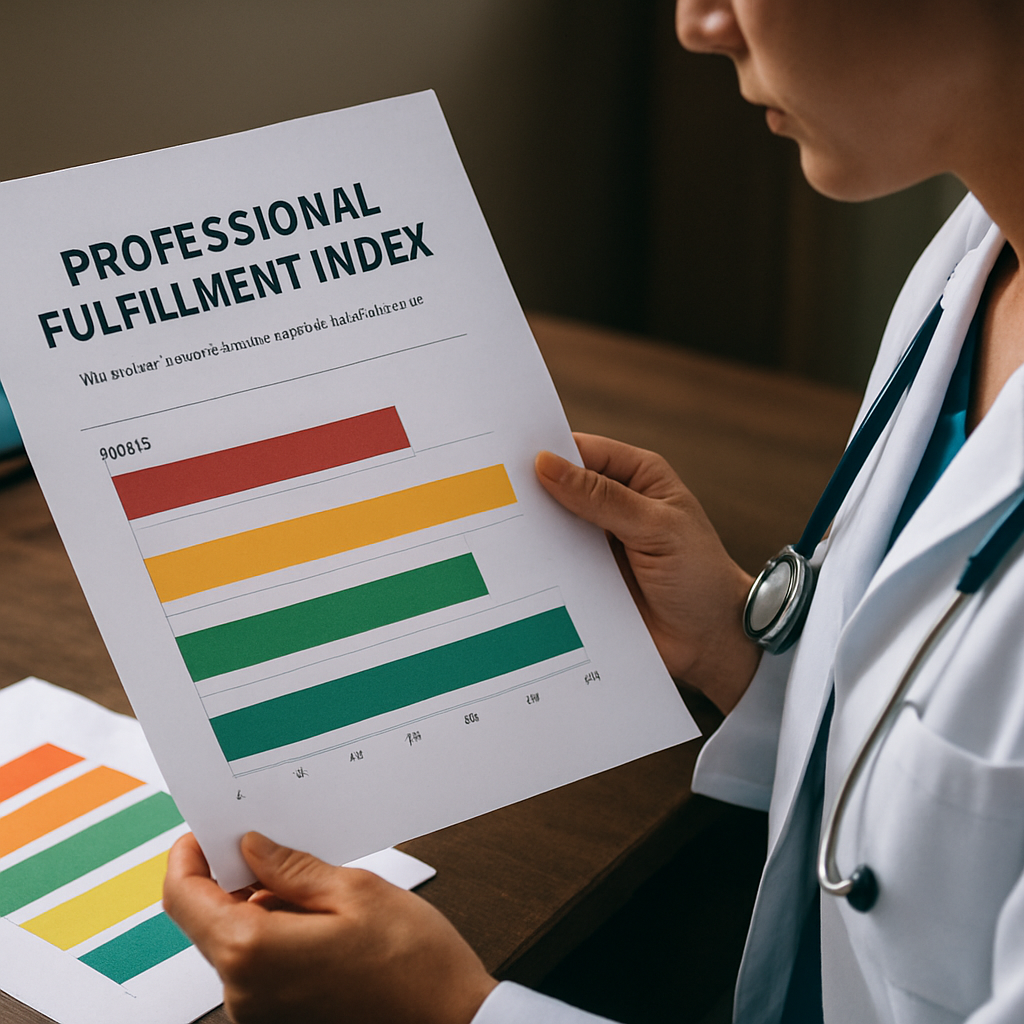
The magic is in the visual snapshot that appears once you hit “calculate”: a colour‑coded bar chart that instantly flags the areas where you’re thriving and the ones that need a little TLC.
Seeing that red bar for “support” can be a bit of a gut‑punch, but it also gives you a concrete conversation starter for your next team huddle.
Because the PDF is editable, you can annotate it directly – scribble a note next to a low score, jot down a possible solution, and even print a copy to stick on your desk as a daily reminder.
Breaking Down the Four Domains
Meaningful work asks whether the tasks you perform align with your core purpose. Autonomy looks at the freedom you have to shape your schedule and clinical decisions. Support measures how often you feel backed up by peers, supervisors, and the system. Growth gauges whether you see clear pathways for skill‑development and advancement.
In our experience, clinicians who pair the PFI with a broader wellbeing audit, like the one outlined in How Healthcare Professional Wellbeing Can Be Measured and Improved , get a richer picture of what’s driving those scores.
And remember, professional fulfillment isn’t just mental; physical factors like hearing health can subtly erode concentration. If you’ve noticed you’re straining to hear alarms on a busy ward, a quick check‑up at Brighter Ears can remove that hidden stressor.
If you’re looking to spread the word about the index within your department, partnering with a specialist marketing team such as Healthier Lifestyle Solutions can help you craft targeted communications that resonate with busy clinicians.
How to Interpret Your Scores
Each domain is scored from 0 to 10. Scores above 7 generally indicate you’re feeling satisfied; 4‑6 suggest a mixed bag; below 4 signals a red flag. Look for patterns – a low autonomy score paired with a high growth score might mean you want more learning opportunities but lack the freedom to pursue them.
Write down the top three drivers of low scores. Ask yourself: is the issue something I can change today, or does it need a longer‑term strategy? That question turns a static number into a real‑world action plan.
Turning Data Into Action
Step 1: Share the chart with a trusted colleague or supervisor. A fresh set of eyes often spots solutions you miss.
Step 2: Set a micro‑goal for the next week – for example, schedule a 15‑minute check‑in with a mentor to discuss autonomy.
Step 3: Re‑take the PFI after four weeks. If the bar moves even a shade, you’ve built momentum.
Finally, keep the PDF somewhere visible. When you feel the fatigue creeping back, a quick glance at your own data can remind you why you started this journey in the first place.
How to Download the Professional Fulfillment Index PDF Safely
We’ve all stared at that shiny “professional fulfillment index pdf” link and thought, “Is this legit or a trap?” You’re not alone—malware disguised as a wellbeing tool is a real worry, especially when you’re juggling patient charts and shift changes.
Here’s a no‑nonsense, step‑by‑step guide that lets you grab the PDF without inviting a digital headache.
1. Start at a trusted source
The safest place to begin is the official MarisGraph site. Look for a URL that starts with https://www.marisgraph.com and avoids strange subdomains or misspelled names. If you land on a page that says “Download the Professional Fulfillment Index PDF” and the address bar matches exactly, you’re probably good.
2. Verify the HTTPS lock
Before you click anything, check that the padlock icon is present and the address begins with https://. That little lock means the connection is encrypted, which cuts down the chance of a man‑in‑the‑middle attack.
3. Scan the link without opening it
Hover over the download button and look at the bottom of your browser. The link should end in .pdf and not include extra query strings that look suspicious (like “?id=123&ref=spam”). If it looks clean, give it a click.
4. Use a sandbox or isolated folder
If you’re extra cautious, set up a dedicated “Wellbeing Tools” folder on your desktop and download the file there. Some clinicians even use a virtual machine or a separate browser profile that’s only used for professional resources. This way, if anything odd slips through, it won’t mingle with your patient data.
5. Run a quick security check
After the PDF lands on your machine, right‑click and select “Properties” (or “Get Info” on a Mac). Look for the “Digital signatures” tab—most reputable PDFs from MarisGraph are signed. If you have an antivirus program, you can also run a scan on the file with a single click.
6. Open it with a trusted reader
Don’t use a web browser’s built‑in viewer if you’re nervous; instead, open the file in Adobe Acrobat Reader or another reputable PDF reader that has sandboxing features. These readers often warn you if the document tries to execute scripts or embed hidden objects.
7. Keep the version up to date
MarisGraph updates the PFI PDF annually to reflect new research. Whenever you hear about a “new version,” repeat the steps above rather than trusting an older copy you might have saved. A fresh version also means you benefit from any security patches the developers added.
8. Bookmark the official download page
Instead of Googling “professional fulfillment index pdf” each time, bookmark the exact page on MarisGraph. That removes the temptation to click on a random search result that could lead you down a shady path.
And if you’re looking for a deeper dive into how the index fits into a broader wellbeing strategy, check out How Healthcare Professional Wellbeing Can Be Measured and Improved for evidence‑backed guidance.
Finally, treat the PDF like a health check‑up: schedule a quick “security review” every few months, just like you’d review your vitals. A few minutes now saves hours of frustration later, and you can focus on what matters most—caring for patients and yourself.
Step-by-Step Guide to Interpreting Your PFI Scores
Alright, you’ve got your professional fulfillment index pdf in hand and the radar chart is flashing red in one corner. What does that actually mean for your day‑to‑day shift?
First thing’s first: treat the numbers like vital signs. A low score isn’t a judgment; it’s a clue that something needs a little extra attention – just like a blood pressure reading that nudges you to check your cuff.
1. Scan the colour‑coded radar
Look at each of the four domains – meaningful work, autonomy, support, growth. The PDF colour‑codes them: red = immediate focus, amber = watch, green = good. Jot down the two reds and the one amber that catches your eye.
Does “autonomy” sit at a 3? Does “support” hover around 4? Write those numbers on a sticky note. Seeing them out loud (or on paper) makes the abstract feel concrete.
2. Ask the “why” behind each low score
Grab a pen and ask yourself, “Why did I rate autonomy so low?” Maybe you’re stuck with a rotating schedule, or perhaps you never get to choose which cases you take. The key is to pinpoint the specific driver, not just the symptom.
Here’s a quick trick I use with nurses: I pair the low score with a one‑sentence “trigger” note, like “missed control over shift start time” – that way the next time I review the PDF I know exactly what to address.
3. Turn the insight into a micro‑goal
Pick one domain to improve this week. If “support” is low, set a goal to have a 10‑minute coffee chat with a colleague you trust. If “growth” is lagging, schedule 15 minutes to explore a micro‑credential on the hospital’s learning portal.
Make the goal tiny – something you can tick off before your next break. Tiny wins stack up fast.
4. Document the action and the outcome
After you’ve taken the step, note the result in a simple table: Goal | Action | Result. Did the coffee chat leave you feeling heard? Did the micro‑credential spark a new idea? This record becomes your personal evidence base.
When you retake the PFI in a month, compare the fresh radar to the old one. The visual shift is a morale booster.
Want a deeper dive into how to turn these numbers into lasting change? Check out Introducing the MarisGraph for a framework that aligns your PFI insights with broader wellbeing strategies.
And if you’re a visual learner, the short video below walks you through the same steps, pausing at each stage so you can follow along with your own PDF.
5. Share selectively, stay confidential
When you feel comfortable, bring the aggregated, anonymised scores to your team huddle. Seeing a collective pattern often sparks group solutions – think peer‑rounds or a shared mentorship schedule.
But keep personal scores private unless you’ve given explicit permission. Confidentiality builds trust and encourages honest future assessments.
6. Repeat the cycle
Make the PFI a monthly check‑in, not a one‑off paperwork task. Consistency turns a snapshot into a storyline, and you’ll start noticing trends before burnout even whispers its name.
Remember, the professional fulfillment index pdf is just a compass. You hold the map, the vehicle, and the fuel. Use the steps above, keep the process light, and watch those red zones gradually turn amber and then green.
Comparing the PFI PDF with Other Professional Well‑Being Tools
Ever felt like you’re juggling a dozen patients, a stack of charts, and that nagging question – “Am I still finding meaning in what I do?” The professional fulfillment index pdf (PFI) was built for exactly that moment: a quick, paper‑based snapshot that you can fill out during a coffee break.
But you’re not the only one hunting for a wellbeing compass. Over the years we’ve seen clinicians bounce between the PFI, the Maslach Burnout Inventory, the Mini‑Z survey, and newer digital dashboards that promise real‑time analytics. Each tool has its own vibe, and picking the right one feels a bit like choosing the right stethoscope – you need something that fits your workflow and actually tells you what matters.
What you get with the professional fulfillment index PDF
The PFI is a printable PDF that breaks professional satisfaction into four domains – meaningful work, autonomy, support, and growth. You rate each statement on a 0‑10 scale, add the totals, and the colour‑coded radar instantly flags red zones. Because it’s a static document, you can print it, stick it on your desk, and revisit it whenever you have five minutes.
Key perks: no login, no subscription, and the visual chart is instantly shareable (anonymously) with your team. The downside? You have to manually tally scores, and you won’t get trend‑lines unless you archive each month yourself.
How other popular tools stack up
The Maslach Burnout Inventory (MBI) is the research gold standard. It dives deep into emotional exhaustion, depersonalisation, and personal accomplishment, but it’s a 22‑item questionnaire that usually lives behind a licence fee. You also need software to score it, which can feel heavyweight for a busy ward.
The Mini‑Z survey is a leaner alternative – eight questions, quick online admin, and built‑in benchmarking data. It gives you a burnout risk score and a few actionable suggestions, yet it lumps all aspects of wellbeing into a single number, so you lose the granularity the PFI provides.
Digital platforms like the e7D‑Wellness dashboard or other SaaS solutions offer real‑time dashboards, automated trend reports, and integration with EMR data. They shine for organisations that want organisation‑wide analytics, but they come with subscription costs, data‑privacy reviews, and a learning curve for staff.
Tool | Format | Key Strength | Typical Use |
Professional Fulfillment Index PDF | Printable PDF | Simple, domain‑specific visual radar | Individual quick check‑in, team‑level sharing |
Maslach Burnout Inventory | Licensed questionnaire (paper or digital) | Research‑validated depth | Academic studies, deep organisational assessments |
Mini‑Z Survey | Online short survey | Fast admin, built‑in benchmarks | Rapid screening, large‑scale staff polls |
e7D‑Wellness Dashboard | SaaS platform | Automated trends, integration | Enterprise‑level wellbeing programs |
So, which one feels right for you? If you’re a solo practitioner or a small unit that needs a low‑tech, no‑cost pulse check, the PFI PDF is hard to beat. If you’re running a hospital‑wide resilience program and you have budget for analytics, a digital dashboard will give you the longitudinal insight you crave.
And here’s a little secret we’ve learned at e7D‑Wellness: pairing the PFI with a broader wellness framework helps you move from “I’m feeling off” to “I have a concrete action plan.” Our 10 Steps to Wellness with MarisGraph guide walks you through turning those red zones into improvement projects, complete with templates you can print alongside the PDF.

Remember, the tool you choose should fit your schedule, your team’s culture, and the depth of insight you need to keep thriving.
Practical Tips for Using the PFI PDF in Clinical Settings
Okay, you’ve got the professional fulfillment index pdf printed or saved on your tablet. The next question is: how do you actually weave it into a hectic clinical day without it feeling like another form to fill out?
Make it a habit, not a chore
Pick a recurring five‑minute slot – maybe right after the morning safety brief or during the last coffee break before a shift ends. Set a calendar reminder titled “PFI check‑in” and treat it like you would a patient vitals round.
When the alarm goes off, grab the PDF, answer honestly, and sketch the radar chart. It only takes a minute, and the visual cue is instantly rewarding.
Print, post, and point
Hang a laminated copy of the empty PFI template on the staff lounge wall. It becomes a visual prompt that says, "Hey, take a quick pulse when you have a spare minute." You can even use a magnetic strip to stick the completed page on a whiteboard during team huddles.
Seeing the red zones on the wall sparks conversation – and that’s exactly what you want.
Integrate with shift handovers
During the bedside handover, ask the outgoing clinician, "What’s one thing from your PFI that you’d like me to keep an eye on?" It’s a tiny ask, but it builds continuity of wellbeing across the 12‑hour rotation.
For night‑shift teams, a quick slide of the PDF on a shared tablet works just as well. No login, no tech headache.
Pair the PDF with a micro‑action plan
Identify the lowest‑scoring domain – say "support" – and write a one‑sentence action right on the PDF, like "Schedule a 10‑minute coffee chat with a peer tomorrow." When you retake the index in a week, you’ll see whether that micro‑goal moved the needle.
Keep a tiny log next to the PDF: Goal | Action | Result. It turns abstract numbers into concrete wins.
Share anonymously, act collectively
Collect aggregated scores from your unit (remove names, keep the numbers). Present the summary at a monthly wellness meeting – a quick PowerPoint slide with the colour‑coded radar for the whole team.
When everyone sees that "autonomy" is consistently low, you can brainstorm system‑level tweaks: flexible scheduling blocks, rotating case assignments, or a brief “choice‑hour” where clinicians pick a preferred task.
Link it to existing wellbeing resources
If your hospital already uses a digital wellness platform, upload the scanned PDF after each month so the data sits next to other metrics. If not, a simple shared Google Sheet can act as a trend line – just copy the four domain scores each month.
Our own e7D‑Wellness platform makes that step painless: you upload the PDF, tag the scores, and the system auto‑generates a line graph you can pull up in a quick huddle.
Use complementary printable tools
Pair the PFI with a simple self‑care checklist PDF . While the PFI shows you where the gaps are, the checklist gives you ready‑made actions – hydration, micro‑breaks, gratitude notes – that you can tick off daily.
Having both on the same desk creates a one‑stop shop for professional wellbeing.
Teach the new staff
During orientation, walk new hires through the PDF in a 10‑minute role‑play. Show them how to score, interpret the radar, and set a micro‑goal. When they leave the session with a printed copy, the habit sticks from day one.
Even seasoned clinicians benefit from a refresher – think of it as a yearly wellness “flu shot.”
Make it a part of performance conversations
When you have a quarterly review with your supervisor, bring the latest PFI snapshot. Use the visual to highlight achievements (green zones) and ask for support where red zones linger.
It shifts the conversation from vague feelings to data‑backed discussion, and supervisors love concrete talking points.
Keep the process light
Remember, the goal isn’t perfection; it’s awareness. If you miss a week, don’t beat yourself up – just jump back in the next day. The PDF is a compass, not a judge.
By turning the professional fulfillment index pdf into a routine, a conversation starter, and a quick‑action planner, you transform a simple sheet of paper into a living tool that helps you and your team stay resilient, purposeful, and—yes—actually enjoy the work you do.
FAQ
What exactly is the professional fulfillment index pdf and how does it work?
The professional fulfillment index pdf is a printable questionnaire that breaks your work satisfaction into four clear domains – meaningful work, autonomy, support, and growth. You rate statements on a 0‑10 scale, total the scores, and a colour‑coded radar chart instantly shows you where you’re thriving and where you might need a quick fix. It’s like a vitals check for your career, but you can complete it in five minutes during a coffee break.
How often should I fill out the professional fulfillment index pdf?
Most clinicians find a monthly cadence works best – it’s frequent enough to catch early signs of burnout but not so often that it feels like paperwork. If you’re on a particularly stressful rotation, you can even do a quick check‑in every two weeks. The key is consistency: treat it like a habit, jot down the scores, and compare the radar chart over time to see real trends.
Can I share my scores with my supervisor without feeling vulnerable?
Absolutely. The PDF is designed for honest, private reflection, but you can pull the visual radar (the red, amber, green zones) into a brief conversation. Highlight the green spots as strengths and ask for support on the red ones. Framing it as data‑backed feedback makes the discussion feel objective, and most supervisors appreciate the concrete talking points.
What if I score low in a domain – what’s a realistic first step?
Pick one low‑scoring area and turn it into a micro‑goal you can tick off this week. For example, if “support” is a 4, schedule a 10‑minute coffee chat with a trusted colleague. If “autonomy” is low, ask your manager for a small schedule tweak, like choosing one preferred shift. Tiny actions create momentum, and when you retake the index you’ll see whether that little change nudged the needle.
Is the professional fulfillment index pdf suitable for all healthcare roles?
Yes – whether you’re a nurse, surgeon, med student, therapist, or even a veterinary technician, the four domains speak to universal aspects of professional joy. The language is deliberately simple, so you don’t need a research background to interpret it. We’ve seen ICU nurses, emergency med techs, and psychologists all get useful insights from the same one‑page tool.
How do I keep my data private when I use the professional fulfillment index pdf?
Since it’s a printable PDF, you control where the paper lives – keep it in a locked drawer or a personal folder on your phone. If you digitise it, store the file in a secure cloud folder with password protection. Never attach it to an email unless you encrypt it, and share only aggregated, anonymised scores with your team.
Where can I find a reliable copy of the professional fulfillment index pdf?
The original version is hosted on the Stanford Advisory Board site, which guarantees you’re getting the unaltered questionnaire. Look for the clear “Download PDF” button and verify the file size (around 1 MB). If you’re ever unsure, run a quick virus scan with a free online tool – it takes seconds and gives you peace of mind before you start filling it out.
Conclusion
We've seen how the professional fulfillment index pdf turns a blank sheet of paper into a bedside‑like vital sign for your career. By scoring four easy domains, you get a colour‑coded radar that instantly tells you where the pressure points are.
So what does that mean for you on the floor, in the clinic, or during a night shift? It means you can spot a dip in “support” before burnout sneaks in, tweak a schedule tweak for “autonomy,” and celebrate a win in “meaningful work” without waiting for an annual review.
Take the habit‑stacking trick we mentioned: set a five‑minute reminder after your morning safety brief, fill out the PDF, jot down one micro‑goal, and log the outcome. Within a month you’ll have a tiny data set that reads like a personal wellbeing chart, and those red zones will start turning amber, then green.
Does it feel a bit too simple to be powerful? That simplicity is exactly why busy clinicians actually use it – no login, no subscription, just a paper copy you can hold in one hand while you sip coffee.
Ready to make the professional fulfillment index pdf a regular part of your routine? Grab the official version from the Stanford Advisory Board, print a copy, and let the next check‑in be your first step toward a more balanced, resilient practice.


Comments