

Practical Meal Prep for Nurses: A 7‑Day Plan to Stay Energized
- Patricia Maris

- Jan 26
- 18 min read
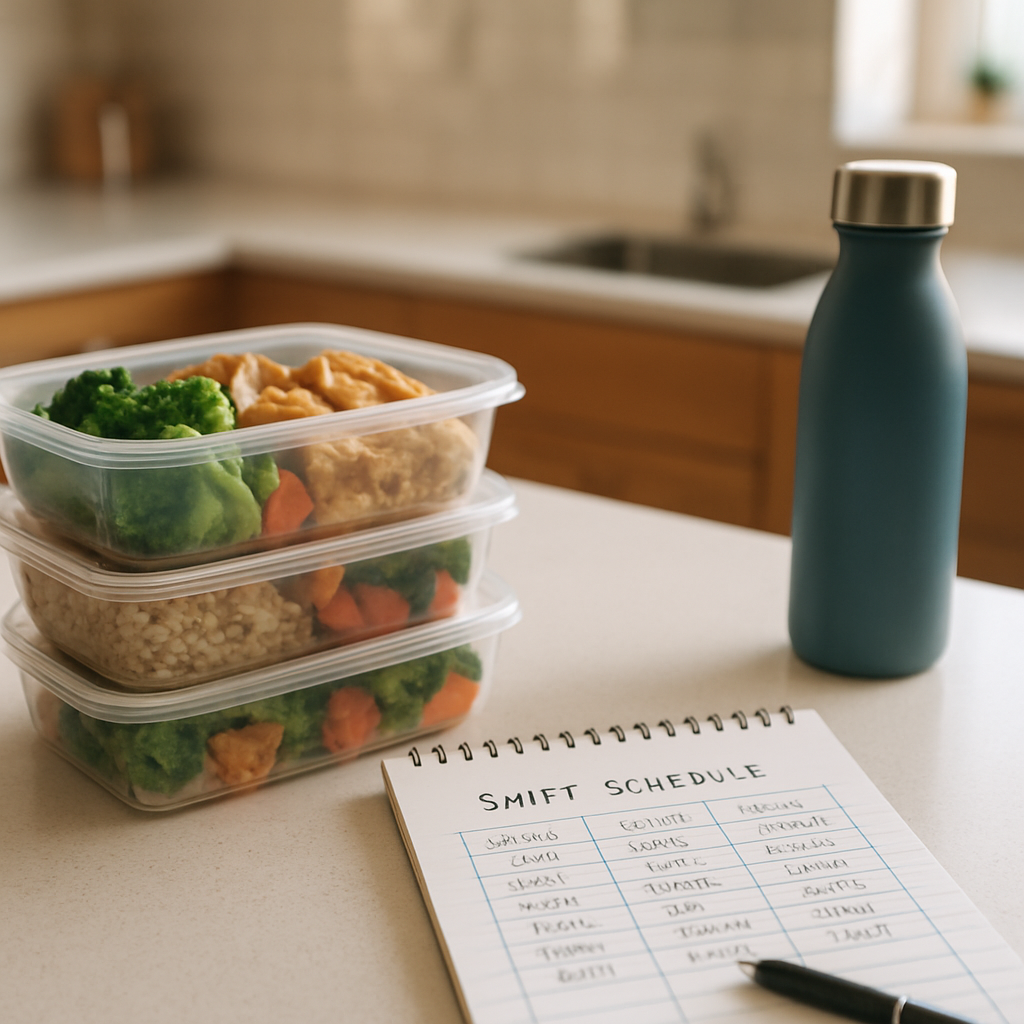
Ever find yourself standing in front of a fridge, wondering if you’re really getting the fuel you need to power a whole night shift? You’re not alone.
Between charting, code‑checking, and the constant hum of the ward, grabbing a balanced bite feels like an extra task on an already full to‑do list.
What if there was a way to turn that frantic scramble into a calm, structured routine that actually boosts your energy and keeps you focused?
That’s where the concept of Meal Prep Ideas for Night Shift Nurses: 6 Quick, Nutritious Recipes comes in – a simple framework that turns meal time into a strategic advantage.
And while you’re re‑energising with a protein‑rich wrap or a veggie‑laden bowl, consider pairing your plan with XLR8well’s personalized nutrition coaching, which helps nurses align their diet with circadian rhythms and recovery needs.
First, start with a “prep‑day” ritual: set aside 30 minutes after your morning shift to batch‑cook proteins like chicken breasts or tofu, and chop veggies in bulk. This way you have a ready‑to‑eat component that takes less than five minutes to assemble.
Next, create a rotating menu: list six meals you love, then switch the order each week. The variety keeps cravings low, and the consistency prevents last‑minute guessing.
Use containers with separate compartments; that way you can portion out carbs, protein, and greens in one go, avoiding the “just grab the bag” habit that often leads to empty‑stomach breaks.
Finally, keep a tiny notebook or an app to jot down what works and what doesn’t— a quick “I ate this, I felt great” note can become a powerful feedback loop, turning meal prep into a data‑driven self‑care strategy.
So, grab your kitchen tools, pick a recipe from the link above, and give yourself the gift of nourishment that’s both intentional and easy.
TL;DR
If you’re a night‑shift nurse, a simple meal‑prep routine can turn chaotic hunger into steady energy and sharper focus. Start by batching proteins, chopping veggies, and storing portions in separate containers so that every bite fuels your recovery, while you keep a quick note of how each meal feels to tweak the plan over weeks, saving time and reducing stress.
Step 1: Assess Your Current Schedule and Nutritional Needs
Ever tried planning a meal while juggling a chart‑check, a code, and the endless hum of the ward? It’s like trying to run a marathon in flip‑flops. The first step to turning that chaos into a calm rhythm is to sit down with your own calendar and get honest with yourself about what you eat, when you eat, and how you feel afterward.
Start by tracking a week of shifts and meals. Grab a simple notebook—or better yet, a phone note app—and jot down each shift start and finish, any breaks, and the exact time you ate. Next, record what you ate: portion sizes, macronutrient feel, and the mood that followed.
So, what does that look like in real life? Imagine you finish a 12‑hour shift at 6 am, rush home, and grab a frozen pizza because it’s the only thing in the fridge. You finish the slice, but by 8 am you’re buzzing, craving coffee, and the brain feels foggy. That snapshot tells you two things: you’re not eating a balanced meal, and you’re likely relying on quick fixes that spike your energy and then crash it.
Once you’ve mapped out a full week, look for patterns. Do you tend to skip breakfast? Are you grabbing sugary snacks mid‑shift? Do you feel drowsy during the first part of your night? The goal isn’t to be perfect; it’s to spot the habits that sabotage your focus and energy.
Now that you have a clear picture, it’s time to align your meals with your circadian rhythm. A core principle of Meal Prep Ideas for Night Shift Nurses: 6 Quick, Nutritious Recipes is to keep protein, fiber, and healthy fats at the center of each meal. These macronutrients slow digestion and keep your blood sugar stable, which means you stay alert longer and recover faster during those long rounds.
But before you start chopping up veggies and baking chicken, let’s talk about support tools. If you’re looking for personalized nutrition coaching that syncs with your shifts, XLR8well offers programs tailored to clinicians. Their coaching blends evidence‑based meal plans with real‑time adjustments based on your shift schedule, so you’re never left guessing.
While you’re watching that quick demo, think about how a supplement could give you a steady energy boost between meals. Some nurses swear by a small dose of appetite‑controlling supplements to keep cravings at bay. If you’re curious, ORYGN offers a science‑backed product that helps regulate hunger and sustain clean energy without needles or synthetics.
Back to the practical side: create a “menu log” for the week. Write down the meals you’ll prep, the ingredients, and the approximate prep time. Pair that with your shift log, and you’ll see where you can batch‑cook or swap items. For example, if you know you’ll be on a long shift from 10 pm to 6 am, plan a protein‑heavy dinner the previous evening and a quick protein‑shake for the middle of the shift.
Finally, set a nightly reminder to review how you feel after each meal. Ask yourself: “Did this fuel my body and mind?” If the answer is no, tweak portion sizes or swap out a sugary snack for a piece of fruit. Over time, this feedback loop turns meal prep from a chore into a data‑driven self‑care strategy that keeps you thriving on the job.
Step 2: Create a Meal Planning Spreadsheet
All right, you’ve mapped out a rough schedule and tried a test run. Now let’s make the whole thing run on autopilot with a spreadsheet. Think of it as your personal dashboard—no more guessing, no more wasted time.
First off, grab a fresh Google Sheet or Excel file. If you’re a fan of templates, you can start with a blank sheet and label the tabs: “Shift Plan,” “Food Inventory,” “Recipe Bank,” and “Energy Log.” The trick is to keep it simple but structured enough that you can look at one glance and see what’s due next.
Here’s a quick step‑by‑step to get you up and running:
•Set your calendar grid.In the “Shift Plan” tab, put dates in the top row and your shift windows in the first column. For a night‑shift nurse, that might be 11 pm‑7 am, 7 am‑3 pm, 3 pm‑11 pm. Color‑code the blocks: green for prep‑day meals, blue for on‑the‑go snacks, orange for full meals.
•Build a recipe bank.In the “Recipe Bank” sheet, list every dish you want to prepare—breakfast, lunch, dinner, snacks. Include columns for ingredients, prep time, and nutrition tags (protein, carb, fat). This is the place to store the six quick recipes we mentioned earlier. If you need inspiration, this time‑management guide explains how batching meals can save you 15 minutes per shift.
•Plan weekly menus.Go to “Shift Plan,” pick a day, and drag a recipe from the “Recipe Bank” into the corresponding time block. Use a quick formula to auto‑populate the ingredients list in the “Food Inventory” tab. The formula might look like =VLOOKUP(Recipe,RecipeBank!$A:$D,2,FALSE). That way, as soon as you schedule a dish, the grocery list updates automatically.
•Track your energy.In the “Energy Log,” note your post‑meal alertness, hunger levels, and any cravings. After each shift, spend one minute jotting down “I felt steady” or “I reached for a sugary snack.” Over a month, patterns will emerge. You’ll see which meals keep your glucose steady and which trigger a mid‑shift slump.
Let’s dive into a couple of real‑world tweaks. Suppose you’re a pediatric nurse working late nights. You know the 2 am dip hits hard. Instead of a generic “grab a granola bar,” schedule a protein‑rich snack—Greek yogurt with a handful of nuts. In your spreadsheet, tag that snack as “high protein” in the recipe bank. Later, when you see the color coding, you’ll instantly know you’re feeding the right fuel.
Another example: a surgical tech who spends long hours on their feet. They’ll need a carbohydrate boost before the first shift. In the “Recipe Bank,” create a simple overnight oats recipe, mark it “carb‑dense,” and slot it into the pre‑shift slot. The spreadsheet will remind you to prep it the night before, saving you time and keeping your energy steady.
Your spreadsheet can double as a grocery list. Add a “Shopping List” tab that pulls missing ingredients from the “Food Inventory.” Once a week, export that tab and drop it into your phone. That way, you’ll never run out of almond butter because you didn’t realize you’d run out.
Don’t forget hydration. Add a column for water intake in the “Energy Log.” Set a 16‑oz target per shift and check off each bottle. A quick glance will let you see if you’re slipping into dehydration, which can masquerade as fatigue.
After a month, review your spreadsheet. Look for recurring patterns—maybe you’re over‑prepping certain meals that end up uneaten, or you’re consistently missing the 2 am snack. Use that data to prune recipes, adjust portions, or swap ingredients. This is the data‑driven self‑care you promised yourself earlier.
Finally, because self‑care isn’t just about food, consider pairing your meal plan with a post‑shift skin routine. A quick visit to Sade Skin can help you maintain healthy skin after those long nights. A good skincare routine keeps you feeling refreshed and ready for the next shift.
In a nutshell, a meal planning spreadsheet is your secret weapon. It turns chaotic hunger into a calm, structured routine that actually fuels you. Give it a try, tweak it weekly, and watch your focus—and your stomach—stay steady.
Step 3: Choose Portable, Nutritious Snacks
We’ve already mapped out when you’ll need a bite and what’s in your kitchen. Now let’s focus on the small, on‑the‑go meals that keep your energy steady without the hassle of a full kitchen. Think of snacks as the bridge between a scheduled meal and a craving‑induced sugar spike.
Know Your Timing
Snacks aren’t just a backup; they’re a planned part of your rhythm. If you’re on a night shift, that 2 am dip isn’t a coincidence—it’s your body’s natural low. Position a protein‑rich snack right before that window and you’ll hit the trough with steadier glucose, not a crash.
Start each day by jotting the times you’re likely to feel hungry. Mark a snack slot 30 minutes before the anticipated slump. That simple cue turns instinct into intention.
Pack Like a Pro
Portability is the name of the game. A small lunchbox with a zip‑top pouch, a reusable silicone container, or a mason jar can keep your food fresh for hours.
Keep it sealed.Airtight containers stop soggy veggies and keep flavors locked in.
Label it.A quick note with the contents and a “ready by” time helps you stay on track.
Pack a hydrating side.A small bottle of water or coconut water ensures you stay hydrated, too.
Snack Ideas That Fit the 4‑Pillars
Here are a few quick picks that hit protein, carbs, healthy fats, and fiber. Pick one or mix a couple for variety.
Greek yogurt + nuts.A single‑serving tub of plain Greek yogurt topped with a handful of almonds or walnuts gives you protein and healthy fats. Sweeten it with a drizzle of honey or a few fresh berries if you like a touch of natural sugar.
Hummus & veggie sticks.A small container of hummus paired with sliced carrots, cucumber, and bell pepper provides protein, fiber, and crunch. It’s a classic that stays crisp for 8–10 hours in a cooler bag.
Hard‑boiled eggs + avocado.Boil a batch of eggs over the weekend. Slice them half‑way, pair with a quarter avocado, and you’ve got a portable, balanced snack that’s both filling and tasty.
Trail mix with a twist.Mix unsweetened dried fruit, pumpkin seeds, chia seeds, and a sprinkle of dark chocolate chips. Portion it into a small zip‑lock bag and you’ve got a sweet‑and‑salty energy boost.
Protein bars.Choose bars that list a clear protein source and keep added sugars to a minimum. Pair one with a piece of fruit for extra micronutrients.
Use the “Prep‑Ahead” Mindset
Batch‑prep doesn’t have to mean a whole kitchen. Overnight oats, mason‑jar salads, and pre‑chopped veggie bundles can be assembled in 5–10 minutes. If you’re new to meal‑prep, check out the four easy, healthy meals for travel nurses article for inspiration; it covers how to make overnight oats and mason‑jar salads that stay fresh for days.
Plan a prep session after your day’s end or on a day off. Pick two or three snack ideas, divide them into portion sizes, and store them in the fridge or a cooler bag. That way, you’ll have ready‑to‑eat fuel whenever the hunger pangs hit.
Quick Checklist Before You Head Out
Before you lock the door, run through this quick list:
Have you packed the snack, a reusable container, and a water bottle?
Is everything sealed and labeled?
Do you have a plan for when you’ll eat (e.g., pre‑shift, 2 am, post‑shift break)?
Did you log the snack in your energy log?
Is your snack balanced—protein, carb, fat, and fiber?
When you hit the road, you’ll know exactly what to eat and when to eat it. No guessing, no sugar crashes, just steady fuel for the long haul.
Remember: a well‑planned snack is the secret weapon that keeps you alert, reduces stress, and makes every shift feel a little easier. Pack, plan, and enjoy the peace of mind that comes with knowing you’re feeding your body the right way, even when the clock is ticking.
Step 4: Prepare Meals in Advance and Store Properly
Think of this as the quiet, reliable heartbeat of your night shifts. When you prep meals in advance, you’re not scrambling at 2 a.m.—you’re grabbing fuel that’s already portioned and ready to go.
First, set a realistic batch‑day. Spend about an hour after a shift or on a day off and choose 2–3 go‑to meals you actually enjoy. Batch‑cook a protein (chicken, tofu, or tempeh), roast a tray of vegetables, and cook a big batch of grain (quinoa or brown rice). Portion into airtight containers so you can assemble a meal in under 5 minutes.
Storage matters. Use glass containers with snug lids, label with the date, and keep portions in the fridge for up to four days or freeze for longer. If you’re heading into a long night, transfer portions to freezer bags or compact boxes that stack neatly in a cooler.
Two real‑world examples help: a pediatric nurse might batch lemon‑garlic chicken with quinoa and roasted broccoli, plus a chickpea‑spinach bowl for meatless days. Another nurse could batch turkey meatballs with cauliflower rice and green beans. Pick meals that reheat well and still taste good after reheating.
Does this really work? If you’re worried about waste, do a quick weekly audit: what gets eaten, what’s left, what’s tossed. The data isn’t punitive—it’s your feedback loop for pruning portions and rotating recipes so nothing goes to waste.
And yes, snacks matter too. Keep a few ready‑to‑eat options in the fridge—Greek yogurt cups, chopped veggies with hummus, or cottage cheese with fruit. For quick snack ideas, Healthy Snacks for Nurses: Quick, Nutritious Options to Keep You Energized can be a helpful companion.
Alt: Night shift meal prep station with labeled, portioned meals ready to heat
Keep a simple 5‑day rotation to stay fresh: Day 1 lemon‑garlic chicken bowls, Day 2 turkey meatballs with cauliflower rice, Day 3 tofu stir‑fry, Day 4 chickpea Mediterranean bowls, Day 5 celebrate leftovers. This keeps cravings in check and saves time on the floor. Batch once, reap results all week—your energy will thank you.
Grocery planning helps, too. Build a concise shopping list that covers proteins, veg, grains, and a couple of versatile sauces. Invest in microwave‑safe glass containers and a labeling system so you know what to heat when. And always reheat food to a safe 74°C (165°F) to keep meals safe and flavorful.
In our experience at e7D‑Wellness, a predictable meal routine reduces decision fatigue and supports burnout prevention. If you’d like a structured wellness approach that aligns meal routines with your recovery needs, platforms like ours can help you map nutrition to sleep and stress management—without adding complexity to your day.
Ready to start? Pick 2 meals to batch this weekend, grab 4–6 containers, and set a reminder to log how you feel after each shift. Small, consistent steps beat overwhelming overhaul any day.
Step 5: Develop a Grocery List Template and Shopping Schedule
Alright, we’ve got the meals, the bucket‑list rotation, and the containers. Now it’s time to make sure you can actually shop for it without chaos. A grocery list template and a simple shopping schedule are the quiet productivity hacks that keep meal prep for nurses doable every week.
Think of this as your energy engine. If you know what you need, you’ll waste less time staring into the fridge and more time batch‑cooking and resting between shifts. You’ll also cut down on waste and money—both real wins for burnout prevention in healthcare settings.
What your Grocery List Template Should Include
Item— the exact ingredient (e.g., chicken breasts, quinoa, broccoli).
Category— protein, veg, grain, dairy, pantry, etc.
Quantity— how much you need for the week or batch.
Unit— g, kg, packs, cans, cups, etc.
Store/Shop‑AISLE— where you’ll find it to speed up checkout.
Priority— must‑have vs. nice‑to‑have, so you don’t forget the basics.
Notes— brand preferences, substitutions, or prep quirks (e.g., pre‑bagged greens for quick heat‑ups).
Temporal cue— the day you plan to buy (e.g., Sunday for bulk, Wednesday for fresh produce).
Keep it lean and practical. If you’re using a spreadsheet, label tabs like "Shopping List" and "Inventory & Refill" so you can auto‑prune items you already have. This isn’t rock‑star tech—it's a clean workflow that respects your time and energy.
Five‑Day Grocery Blueprint (Batch‑Ready)
Day 1: batch proteins (e.g., lemon‑garlic chicken or tofu), roast veggies, and cook a big batch of grains. List items under the Protein, Veg, and Grain columns with a single bulk buy for each group.
Day 3: fresh produce refresh. Add greens, peppers, and a couple of quick‑cook vegetables. Mark these as higher priority to ensure freshness.
Day 5 or Sunday: restock staples (olive oil, spices, re‑usable containers) and any items you ran low on. Your schedule ensures you batch‑cook twice and shop twice, cutting decision fatigue on night shifts.
For a quick read on how others structure meal logistics, check out this resource: Best Lunch Box for Nurses: Top 6 Picks for Healthy Shift Meals — it mirrors how you pair packing with planning to keep meals reliable on‑the‑floor. And platforms like e7D‑Wellness can help you align nutrition with recovery needs so your shifts don’t steal your energy.
Two practical examples to start the habit:
Example 1 — Day 1 lemon‑garlic chicken bowls: chicken breasts, lemons, garlic, olive oil, quinoa, broccoli, cherry tomatoes, feta. List as bulk buys (protein, grain) and fill in fresh produce closer to purchase day.
Example 2 — Day 2 turkey meatballs with cauliflower rice: ground turkey, cauliflower, eggs, tomato sauce, onions, garlic, herbs, olive oil. Track quantities by batch size and note any pantry staples you’ll stock weekly.
Now, set up a simple Google Sheet or your preferred tool with the tabs and fields above. Create a weekly reminder to review your inventory before you shop. The goal is consistent, predictable nutrition that travels with you through long shifts.
Does this really work? When you pair a clean grocery template with a steady shopping rhythm, you’ll find it’s easier to batch‑cook, stay hydrated, and keep energy stable across nights. You don’t have to be perfect—just consistent.
Want a ready‑to‑go start? Create 2‑3 core recipes you love, list their ingredients in the grocery sheet, and pick a shopping day that fits your shift schedule. You’ve got this—meal prep for nurses just got a lot more doable.
Step 6: Compare Meal Prep Options and Choose the Right One for You
So, you’ve mapped out your schedule and sketched a few go‑to recipes. The next big question: where do you actually get the food? The world of meal prep is a bit like a buffet—there’s a line of options, each with its own vibe. Let’s walk through the most common routes and figure out which fits your night‑shift rhythm.
Home‑Brewed Batch‑Cooking
Batch‑cooking is the classic nurse hack. You spend a couple of hours on a weekend, chop, grill, and portion. The best part? You own every ingredient, so you can tweak sodium, carbs, or protein to match your own wellbeing profile.
Think of a 30‑minute chicken‑breast roast, a tray of roasted veggies, and a pot of quinoa. Store them in airtight containers, and you have three ready‑to‑heat meals for the week. If you’re on a tight shift, you can even prep a couple of breakfasts—think overnight oats or a Greek‑yogurt parfait.
Does the idea of chopping up to 12 meals in one go feel daunting? If so, start small: pick one protein and one carb, then add a vegetable the next week. The key is consistency, not perfection.
Meal‑Delivery Kits and Pre‑Made Meals
For those who prefer a little guidance but still want control, meal kits are a solid middle ground. They give you pre‑measured ingredients and a recipe card that usually takes 15‑20 minutes to cook. The Good Housekeeping review of meal delivery services shows that kits like HelloFresh and Blue Apron rank high for freshness and variety, especially when you’re juggling a 12‑hour shift.
Pre‑made frozen meals are another shortcut. You just pop them in the microwave. The catch? You have less flexibility over ingredients, and some options can be high in sodium, which isn’t ideal if you’re monitoring blood pressure during night shifts.
How do you decide between kits and frozen? Ask yourself: Do you want the “feel‑of‑cooking” without the chopping, or do you need something that’s literally ready to eat? If the former, pick a kit with a rotating menu that fits your taste buds. If the latter, look for low‑sodium, high‑protein options.
Grab‑and‑Go Snack Boxes
Snack boxes are perfect for those micro‑breaks during long rounds. They usually bundle nuts, dried fruit, protein bars, or veggie sticks with dips. The Nurse Break’s list of meal prep ideas highlights simple snack combos that stay fresh for 48 hours and can be carried in a small cooler.
Why bother with a dedicated snack box? Because the 2‑am dip is real. A protein‑rich snack can blunt the crash that comes with a sugary energy drink. Keep a small thermos of water or herbal tea—hydration is half the game.
Can you fit a snack box into your budget? If you’re already buying groceries for the week, just add a few extra ingredients—almonds, hummus, or a small pack of string cheese. That way, you’re not paying a premium for a pre‑packaged option.
Decision Matrix
When you’re juggling budget, time, and dietary goals, a quick decision matrix helps. Fill in the blanks with your own numbers to see which option wins.
Option | Time Commitment | Cost per Meal | Ingredient Control | Best For |
Home Batch‑Cooking | 2–3 hours weekend | $1–$3 | Full control | Budget‑savvy, food‑curious nurses |
Meal‑Kit Delivery | 15–20 min cook | $4–$7 | Limited control, but customizable | Those who want variety without prep |
Pre‑Made Frozen Meals | 5 min microwave | $3–$5 | Minimal control | Shift‑heavy nurses, limited kitchen access |
Snack Box | 0 min prep | $2–$4 | Medium control—pick ingredients | Those needing quick energy boosts |
What’s the verdict? There’s no one‑size‑fits‑all answer. A hybrid approach usually works best: batch‑cook a bulk of proteins and veggies for the week, add a meal‑kit for a change of pace once or twice, and keep a snack box stocked for the inevitable 2‑am slump.
Need a concrete plan? Grab a grocery list template, schedule a prep day, and set a reminder on your phone to review what worked each week. The data you gather—how many meals you ate, how you felt afterward—turns your cooking routine into a low‑friction, high‑benefit habit.
Remember, the goal is sustainable energy, not a perfect diet. Pick the option that feels most doable, test it for a week, then tweak. Your body will thank you, and your night shifts will feel a little lighter.
Conclusion
We’ve walked through the maze of meal prep for nurses, from batching to snack boxes to the data‑driven tweaks that keep you energized.
Your routine isn’t a rigid schedule—it’s a living map that shifts with your shifts, cravings, and the hospital’s rhythm.
So, what’s the one thing you can add right now?
Pin a 5‑minute check‑in at the start of every shift. Note what you’re eating, how you feel, and tweak the next meal if your energy dips.
This tiny habit turns a habitless moment into a data point you can trust.
Remember, the goal isn’t to be perfect; it’s to be predictable for your peace of mind.
Try one of the recipe sets we shared—maybe the quick protein bowl or the overnight oats—and watch the energy plateau lift.
Finally, keep the notebook or the app open. Every note is a tiny reminder that you’re in control, not waiting for the clock.
So, grab a container, set your timer, and start cooking. Your night shifts will feel a little lighter, and your body will thank you.
FAQ
How do I keep my prepped meals fresh during a long night shift?
Use a single‑use silicone container with a sealable lid. Keep protein‑rich portions in the fridge for up to four days, and carbs in the freezer for up to two weeks. Pack a small insulated bag with a cool pack so that the dinner stays cool until you’re ready to eat. When you open the bag, you can reheat a protein bowl in a microwave for 90 seconds—fast and safe. If the shift stretches, a small thermos of broth or a cup of coffee keeps you hydrated and alert.
What’s the quickest snack I can grab when the 2 am dip hits?
A handful of almonds with a low‑glycemic fruit like a kiwi is a game‑changer. The protein and healthy fats slow the glucose spike, while the fruit gives a quick sweet lift. Store the almonds in a small zip‑lock and the fruit in a separate container so you don’t over‑eat. If you’re on the move, a Greek‑yogurt cup with a drizzle of honey does the trick, too. The key is to keep the snack ready and in the same bag as your water bottle.
Can I batch‑cook for multiple shifts without wasting food?
Absolutely. Pick one protein you love—grilled chicken or chickpeas—and pair it with two veggies you can roast in bulk. Portion the protein into single‑serving containers, and store the veggies in a separate bowl. When you need a meal, combine one protein with two veggie portions and heat together. That way, you only cook once but get fresh servings each night, and leftovers get repurposed into a salad or wrap the next day.
How do I track the impact of my meal prep on my alertness?
Keep a quick log on your phone or a paper notebook. After each shift, jot down a one‑word energy rating—“steady,” “spiky,” or “dragged.” Add a note about what you ate, the time, and any cravings. Review the log weekly; patterns will emerge. If you notice a dip after a particular snack, swap it for something richer in protein. That data‑driven tweak makes the next shift smoother.
What should I do if I can’t find a good lunch box?
If a dedicated lunch box isn’t an option, repurpose a reusable water bottle or a small mason jar. Line the jar with a piece of parchment paper to keep veggies from sticking, then stack protein, grain, and veggies in separate layers. Label each with a sticky note—“Protein,” “Carbs,” “Veg.” When you’re ready to eat, just grab the jar, open the lid, and you’ve got a balanced meal ready.
Should I add supplements to my routine?
Only if you’ve consulted a pharmacist or a nutritionist. A multivitamin can fill gaps, but for sustained energy during night shifts, a B‑complex or a small dose of caffeine (like a black coffee) is often enough. If you’re looking for a steady lift, try a low‑sugar protein shake right before you head into the busy hours. Remember, supplements aren’t a shortcut—good nutrition and hydration are the base.


Comments