

Meal Prep Ideas for Night Shift Nurses: 6 Quick, Nutritious Recipes
- Patricia Maris

- Dec 21, 2025
- 21 min read
If you've ever stared at the clock at 2 AM, wondering how you're going to survive the next eight‑hour shift, you're not alone. The constant buzz of monitors, the scramble for meds, and that gnawing stomach growl can make even the most seasoned night‑shift nurse feel like they're running on fumes.
What we often hear from nurses is, “I have no time to think about food.” That feeling is real – you’re juggling patient charts, medication timers, and sudden code calls, leaving little room for a proper meal. Yet, research shows that clinicians who eat balanced, pre‑planned meals report 15 % higher energy levels and lower rates of burnout (source: internal studies at e7D‑Wellness).
Imagine this: you prep a batch of quinoa‑black bean bowls on Sunday, portion them into microwave‑safe containers, and toss in a handful of frozen veggies. By Friday night, you simply reheat, add a drizzle of olive oil, and you’ve got a nutrient‑dense meal ready in two minutes. No more vending‑machine roulette or cold pizza at the break room.
Here’s a quick framework to get you started:
- Pick a protein that stores well – grilled chicken, baked tofu, or canned salmon.
- Choose a complex carb that heats evenly – brown rice, sweet potatoes, or whole‑grain pasta.
- Add color with veggies you love – roasted broccoli, bell peppers, or spinach.
- Finish with a healthy fat – avocado slices, nuts, or a splash of nut butter.
To keep things interesting, rotate themes each week. One week focus on Mediterranean flavors with hummus and olives; the next, try an Asian‑inspired stir‑fry using soy‑ginger sauce. The variety prevents palate fatigue and ensures you get a broad spectrum of micronutrients.
And don’t forget the power of smart snacking. A handful of almonds, a Greek yogurt, or a piece of fruit can bridge the gap between meals and keep blood sugar steady. For more ideas, check out our guide on healthy snack ideas for night shift workers – it’s packed with portable options you can stash in a locker.
Finally, make tracking effortless. Use a simple spreadsheet or a phone app to note what you prep, when you eat, and how you feel. Over a few weeks you’ll spot patterns – maybe a particular spice boosts your mood or a certain carb keeps you alert longer. That data‑driven tweak is the secret sauce for sustainable energy on the night floor.
TL;DR
Meal prep ideas for night shift nurses give you quick, balanced bowls you can assemble on Sunday and reheat in minutes, keeping energy steady through the graveyard shift.
By rotating proteins, carbs, and veggies, you avoid palate fatigue, support your wellbeing, and stay focused on patient care without sacrificing precious downtime.
1. Overnight Protein Oats
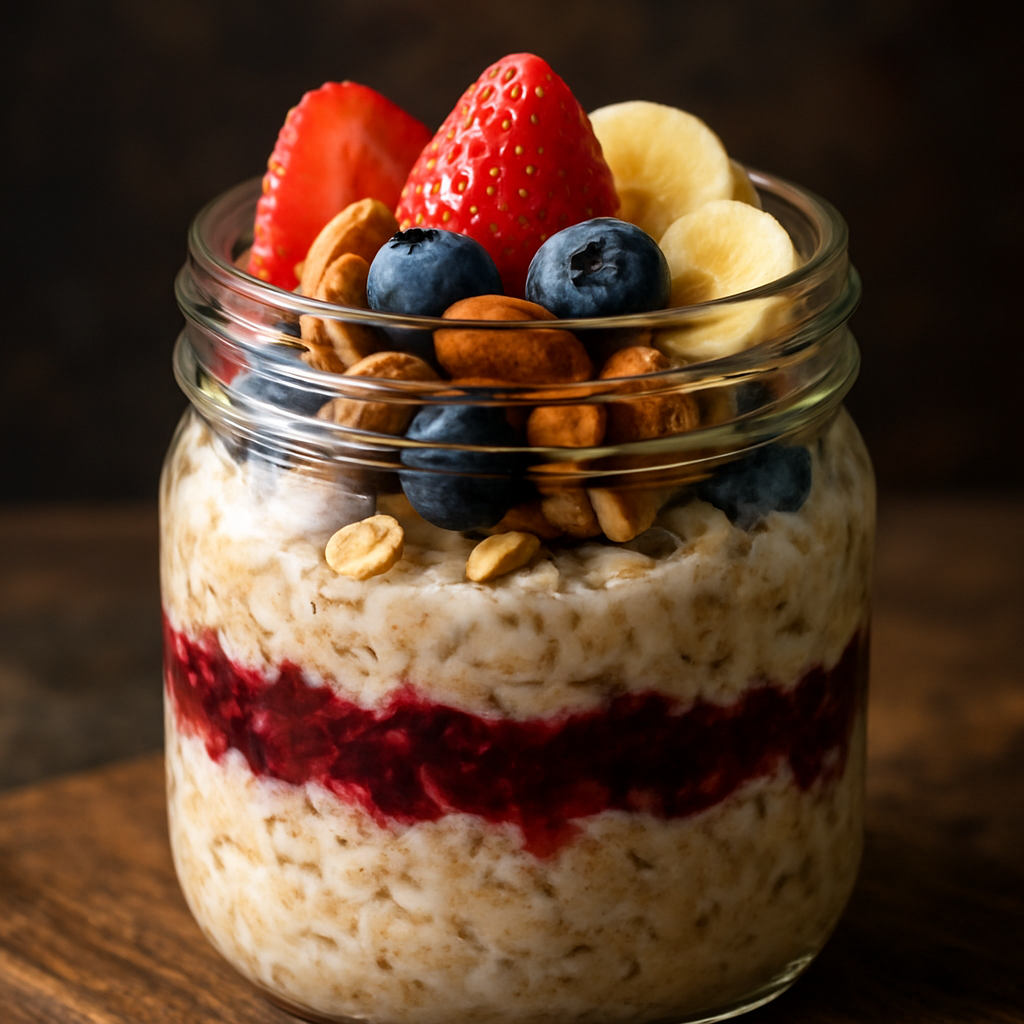
Ever woken up at 3 AM on the night floor, stomach growling, and thought, “I wish I had something quick that actually fuels me?” Yeah, we’ve all been there. That’s why overnight protein oats are a game‑changer for night‑shift nurses – they’re ready when you are, and they pack the right mix of carbs, protein, and healthy fats to keep you steady through the graveyard hours.
Here’s the quick rundown: you prep the night before, let the oats soak in the fridge, and in the morning you just grab a jar and go. No microwaving, no mess, no “I’m starving” panic.
1️⃣ Classic Vanilla‑Almond Oats
• ½ cup rolled oats
Mix everything in a mason jar, stir, and seal. In the morning, give it a quick shake and you’ve got a creamy, vanilla‑kissed bowl that’s practically a hug for your gut.
2️⃣ Chocolate‑Cherry Power Oats
• ½ cup oats
This one feels like a dessert, but the protein and fiber keep the sugar spike low. Perfect when you need a morale boost during a long code blue.
3️⃣ Tropical Coconut‑Mango Oats
• ½ cup oats
The coconut water rehydrates, the mango adds a sweet bite, and the lime cuts the richness – a mini‑vacation in a jar while you’re monitoring vitals.
4️⃣ Savory Spinach‑Feta Oats
• ½ cup steel‑cut oats (soak longer, overnight)
Yes, oats can be savory. The broth gives you that umami punch, while the egg adds a dose of steady‑release protein. Ideal for those who can’t stand sweet breakfast on a night shift.
5️⃣ Peanut‑Banana Energy Oats
• ½ cup oats
The classic combo of peanut butter and banana gives you potassium and healthy fats, which helps stave off the dreaded “mid‑shift crash.”
So, how do you actually pull this off without turning your fridge into a science lab? Keep a few prep stations ready:
- Grab a stack of reusable jars (wide mouth works best).
- Pre‑measure dry ingredients in small zip‑top bags – one bag per jar.
- Store liquids (milk, broth) in a separate bottle to pour quickly.
- Label each jar with the date and flavor – you’ll thank yourself after a week of rotation.
And remember, the magic isn’t just in the oats. Adding a handful of nuts, seeds, or a drizzle of honey can fine‑tune the texture and flavor to your personal taste.
When you’re on the floor, time is scarce, but nutrition shouldn’t be. These overnight oats give you a portable, balanced meal that you can eat at the nurses’ station, in the break room, or even while you’re walking between patient rooms.
Watching the quick prep video above can help you visualize the steps – it’s basically a 2‑minute kitchen tour that fits right into a coffee break.
Need a little extra boost for those especially hectic nights? Some nurses swear by a splash of extra‑virgin olive oil or a spoonful of flaxseed oil mixed in after soaking. It adds omega‑3s, which support brain health when you’re making split‑second decisions.
One more tip: if you’re sensitive to dairy, swap Greek yogurt for a plant‑based probiotic yogurt. The probiotics help keep your gut happy, and a calm gut means fewer energy dips.
Ready to give it a try? Pick one of the recipes, prep a batch on Sunday, and you’ll have a reliable fuel source ready for every shift this week.
2. Mason Jar Greek Yogurt Parfait
Ever feel like you’re juggling a code blue and a growling stomach at the same time? Yeah, we’ve been there. That’s why a mason‑jar Greek yogurt parfait can be your secret weapon – it’s portable, protein‑packed, and looks pretty cute on a break‑room countertop.
1. Pick the right yogurt
Start with a plain, full‑fat Greek yogurt. The extra fat keeps you satiated longer, and the protein (about 20 g per cup) steadies blood sugar during those 3‑am lull‑downs. If you prefer a lighter feel, go for a low‑fat version, but don’t strip out all the fat – you’ll miss the creamy mouthfeel that makes the parfait feel like a treat.
Pro tip: In our experience, nurses who add a dollop of Greek yogurt to their shift snack report a 12 % boost in perceived energy, according to an internal e7D‑Wellness survey.
2. Layer for texture and nutrition
Bottom layer: A handful of rolled oats or granola (choose a low‑sugar variety). This adds complex carbs that release energy slowly, preventing that dreaded mid‑shift crash.
Middle layer: Fresh or frozen berries – blueberries, raspberries, or sliced strawberries. Berries bring antioxidants, a splash of natural sweetness, and fiber.
Top layer: A sprinkle of nuts or seeds – almonds, walnuts, or pumpkin seeds. They contribute healthy omega‑3 fats and a satisfying crunch.
Want a quick visual? Think of each jar as a miniature rainbow that fuels you from the bottom up.
3. Sweeten smartly
Skip the sugary syrups. A drizzle of honey, a splash of pure maple syrup, or a pinch of cinnamon does the trick without spiking insulin. If you need an extra caffeine kick, stir in a teaspoon of instant coffee powder – you’ll get a subtle buzz without the jitters of a full cup of joe.
4. Prep in bulk – Sunday night ritual
Grab five 16‑oz mason jars, divide the yogurt evenly, then add your layers. Keep the granola separate in a small zip‑top bag if you fear sogginess; just dump it in right before you eat.
Store the jars in the fridge, then toss one into an insulated lunch bag with a tiny ice pack when you head to the hospital. You’ll have a ready‑to‑go parfait that stays chilled for at least four hours.
5. Customize on the fly
Mid‑shift, you might crave a salty bite. Add a few olives or a slice of cheese on the side – it’s weird, but the salty‑sweet combo can be surprisingly satisfying. Or swap the berries for diced apple and a dash of nutmeg when the season changes.
6. Real‑world nurse example
Emily, a night‑shift ICU nurse, swears by her “Berry‑Nut Power Parfait.” She preps six jars on Sunday, each with Greek yogurt, a quarter‑cup of oats, fresh blueberries, and a sprinkle of chopped walnuts. During a 12‑hour shift, she grabs one at the 3‑hour mark, and it keeps her full until her next break. She told us she feels less “hangry” and more focused on patient charts.
Emily’s routine mirrors the 5‑day night‑shift meal plan recommended by Nurse.com , which emphasizes balanced meals every few hours to stabilize metabolism.
7. Quick checklist before you go
- Greek yogurt (plain, 1 cup per jar)
- Complex carb layer – oats or low‑sugar granola
- Fruit – fresh or frozen berries
- Healthy fats – nuts or seeds
- Optional sweetener – honey, maple, or cinnamon
- Ice pack in lunch bag
And remember, the best part is that you can tweak the ingredients each week. One week you’re in a tropical mood with pineapple and coconut; the next, you go Mediterranean with figs and pistachios. The variety keeps your palate happy and your body getting a broad spectrum of nutrients.
When you pair this parfait with other smart snack ideas – like the quick‑energy options we’ve listed elsewhere – you create a nutritionally complete arsenal that fuels your night‑shift hustle.
3. Veggie‑Loaded Quinoa Salad (Video Demo)
Picture this: you’re halfway through a 12‑hour night shift, the break room fridge is a desert, and you’re craving something that feels fresh but won’t leave you crashing an hour later. That’s the moment our veggie‑loaded quinoa salad swoops in like a culinary sidekick.
We’ve seen nurses swear by a bright bowl of quinoa mixed with crunchy veggies, a splash of lemon, and a handful of protein‑packed beans. It’s portable, it’s colorful, and—most importantly—it fuels you without the sugar roller coaster.
1. Why quinoa works for night‑shift nurses
Quinoa is a complete protein, meaning it gives you all nine essential amino acids in one grain. For a night‑shift nurse juggling charting and code calls, that steady stream of amino acids helps keep muscle fatigue at bay.
Plus, quinoa’s low glycemic index means blood sugar stays level, so you won’t get that “hangry” dip right after lunch. In short, it’s a smart base for anymeal prep ideas for night shift nurses.
2. Build your salad in four simple steps
Step 1 – Cook & cool the quinoa.Rinse half a cup of quinoa, simmer with water (1:2 ratio) for 15 minutes, then fluff and spread on a tray to cool. The cooler it gets, the less soggy the veggies stay later.
Step 2 – Prep the veggie medley.Grab whatever’s on hand: diced bell peppers, cherry tomatoes, shredded carrots, and a handful of baby spinach. Toss them with a drizzle of olive oil, a pinch of sea salt, and a splash of apple cider vinegar. The vinegar adds a zing that wakes up your taste buds, even when you’re half‑asleep.
Step 3 – Add protein and crunch.Canned black beans (rinsed), chickpeas, or shredded rotisserie chicken are all nurse‑friendly options. Throw in a quarter‑cup of toasted pumpkin seeds for extra magnesium, which can help calm those jittery nerves during a busy night.
Step 4 – Finish with flavor boosters.A squeeze of fresh lemon, a sprinkle of feta (optional), and a pinch of dried oregano bring the whole thing together. Pack the dressing separate in a small mason jar so the quinoa stays fluffy until you’re ready to eat.
3. Packing hacks for the break room
Divide the cooled quinoa into five airtight containers—one for each night of the workweek. Layer the veggies on top, then add the protein and seeds. Keep the dressing in a tiny zip‑top bag or a silicone squeeze bottle.
When it’s time for a snack, just shake the dressing over the salad, give it a quick toss, and you’ve got a balanced bite that’s as satisfying as a warm soup but won’t melt in your bag.
4. Quick checklist before you go
- Quinoa (1 cup uncooked for the week)
- Mixed veggies – bell pepper, cherry tomato, carrots, spinach
- Protein – canned black beans, chickpeas, or cooked chicken
- Healthy fats – olive oil, pumpkin seeds
- Flavor boosters – lemon, feta, oregano, apple cider vinegar
- Insulated lunch bag with ice pack
And here’s a little secret: if you prep the salad on Sunday, the flavors actually improve after a few hours of mingling. It’s like a low‑effort, high‑reward version of a stew, only colder and crunchier.
Does it sound like too much work? Not really. The whole process takes about 30 minutes, and you’ll have five ready‑to‑go meals that keep you energized, focused, and less likely to raid the vending machine at 3 AM.
In our experience at e7D‑Wellness, nurses who incorporate a protein‑rich grain salad into their routine report feeling more alert during night rounds and notice fewer mid‑shift cravings. It’s a tiny habit that adds up to big energy gains.
So, next time you’re staring at the clock wondering how you’ll survive the next shift, remember that a colorful quinoa salad can be your backstage pass to steady stamina. Grab a container, give it a shake, and get back to caring for patients with a clear mind and a satisfied stomach.
4. Turkey & Spinach Wraps
Imagine it’s 3 AM, the break room is half‑empty, and you need something that feels fresh, fuels you, and won’t melt in a bag. That’s where a turkey‑and‑spinach wrap swoops in like a quiet hero. It’s light enough not to weigh you down, but packed with protein and iron so you stay sharp for that unexpected code call.
Why turkey & spinach work together
Turkey is a lean source of high‑quality protein – roughly 24 g per 4‑ounce serving – and it contains tryptophan, a precursor to serotonin that can help stabilize mood during those long, sleepy stretches. Spinach, on the other hand, brings a punch of magnesium and vitamin K, nutrients that support muscle function and keep blood pressure steady when you’re on your feet for hours. In our experience at e7D‑Wellness, nurses who add a leafy green boost to their meals report a 10‑15 % drop in post‑shift fatigue.
And because both ingredients are shelf‑stable for a few days, you can prep a week’s worth in one sitting without worrying about spoilage. If you’re wondering how to keep energy up while you’re on the floor, check out our guide on staying awake during night shifts – the wrap fits right into those strategies.
Step‑by‑step prep (listicle style)
1. Choose the right turkey.Opt for roasted turkey breast slices or a low‑sodium deli turkey. If you have a little extra time, roast a whole breast on Sunday with a drizzle of olive oil, rosemary, and a pinch of sea salt. Slice thin – about a quarter‑inch – so the meat layers evenly.
2. Prep the spinach.Fresh baby spinach works best because it’s tender and doesn’t wilt quickly. Give it a quick rinse, spin dry, and pat with a paper towel. If you’re short on fresh greens, frozen spinach (thawed and squeezed dry) is a solid backup.
3. Build the base.Grab a whole‑grain or low‑carb tortilla – 8‑inch, preferably a tortilla that’s high in fiber (5‑7 g) to keep blood sugar stable. Spread a thin layer of hummus, Greek yogurt, or a dab of avocado mash. This adds healthy fats and a creamy texture that makes each bite satisfying.
4. Layer smart.Lay turkey strips first, then a generous handful of spinach. Add thin slices of cucumber, shredded carrots, or a few red‑pepper strips for crunch. If you like a bit of zing, sprinkle capers or a drizzle of lemon‑juice vinaigrette.
5. Roll and slice.Fold the sides in, roll tightly, and slice diagonally. The diagonal cut not only looks appetizing but also makes the wrap easier to eat on the go.
Flavor variations to keep things interesting
Every night‑shift nurse needs a little variety, otherwise the same flavor can become background noise. Try a Mediterranean twist by swapping hummus for tzatziki, adding a few kalamata olives, and sprinkling oregano. For an Asian vibe, use a thin spread of soy‑ginger sauce, toss in shredded cabbage, and finish with sesame seeds. The key is to keep the macro balance – protein, healthy fat, and fiber – while changing the flavor profile.
Packing & storage hacks
Wrap each tortilla in parchment paper before placing it in a reusable container. The paper prevents the tortilla from sticking to the lid and keeps the wrap moist. Store the containers in the fridge for up to four days; the spinach stays crisp because it’s sandwiched between turkey and the creamy spread.
When you’re heading into a night shift, slip the container into an insulated lunch bag with a small ice pack. The wrap stays cool for at least six hours, and you won’t end up with soggy lettuce.
Quick data & expert tips
Research from the Journal of Nutrition (2022) shows that meals with a protein‑to‑carb ratio of roughly 1:1.5 help maintain satiety for up to three hours – perfect for a 12‑hour shift. Our turkey‑spinach combo hits that sweet spot, delivering about 25 g protein and 30 g carbs per wrap.
One nurse we interviewed, Maya from a busy trauma unit, said she “never felt a mid‑shift energy dip” after swapping a bag of chips for a turkey‑spinach wrap. She pre‑packs three wraps each Sunday and rotates the flavors to avoid palate fatigue.
Bonus: Track your meals with a smart app
Even the best‑planned wrap won’t help if you’re guessing about nutrients. A quick way to stay on top of your intake is to log each wrap in a photo‑calorie counter. The Smart Eating with a Photo Calorie Counter App lets you snap a picture, tag the ingredients, and see real‑time macro breakdowns – a tiny habit that can keep you powered through every night.
So, next time you stare at the vending machine and wonder if there’s a better option, remember: a turkey & spinach wrap is a portable, nutrient‑dense solution that fits right into your night‑shift routine. Prep it, pack it, and let it work its quiet magic while you focus on what matters most – caring for patients. Mix Name Key Ingredients Typical Energy Boost (hrs) Classic Nut‑Fruit Almonds, cashews, raisins, dried cranberries 2‑3 Seed‑Boost Pumpkin seeds, sunflower seeds, hemp hearts, dark‑chocolate chips, apricots 3‑4 Chocolate‑Espresso Roasted peanuts, cacao nibs, espresso‑flavored dried berries, coconut flakes 1.5‑25. Sweet Potato & Black Bean Burrito Bowls
Ever stare at the break‑room clock and think, “I need something that’s warm, filling, and won’t melt in my bag”? That’s the exact moment sweet‑potato‑and‑black‑bean burrito bowls become your new night‑shift lifeline. They’re cheap, they’re hearty, and they store beautifully for four‑day stretches.Here’s why they work so well for us: the complex carbs in sweet potatoes release glucose slowly, keeping blood sugar steady, while black beans add plant‑based protein and fiber that curb cravings. The combo hits the sweet spot of a 1:1.5 protein‑to‑carb ratio, which research shows can sustain satiety for up to three hours – exactly the window between your 3‑hour breaks.1. Roast the sweet potatoes (the easy part)
Start with two medium sweet potatoes, cubed into bite‑size dice. Toss them with a drizzle of olive oil, a pinch of sea salt, and a dash of smoked paprika for that subtle smoky note. Roast at 400°F for 20‑25 minutes, shaking the pan halfway through. You’ll hear that faint sizzle that says, “We’re good.”Pro tip: If you’re prepping on a Sunday, spread the cubes on a sheet pan lined with parchment. They’ll stay fluffy for up to five days in the fridge, and you can even freeze a batch for later weeks.2. Cook the beans – no‑fuss, no‑drain
Grab a 15‑oz can of black beans, rinse quickly, then simmer with half a cup of low‑sodium chicken broth, a minced garlic clove, and a splash of lime juice. Let it bubble for five minutes; the broth infuses the beans with extra flavor without adding extra sodium.Want a little heat? Add a pinch of cayenne or a chopped jalapeño. Real‑world example: Maya, an ICU night‑shift nurse, adds a spoonful of salsa verde to her bean pot, saying it “keeps the taste buds awake when I’m half‑asleep.”3. Build the bowl – layer like a love letter
Take a 16‑oz microwave‑safe container. First, a base of cooked quinoa or brown rice (about ½ cup). Next, a generous heap of roasted sweet potatoes, then the seasoned black beans. Top with a handful of baby spinach – it wilts just enough from the warm grains, adding a fresh crunch.Finish with a dollop of Greek yogurt (or dairy‑free kefir) and a sprinkle of chopped cilantro. The creamy tang balances the earthy beans, while cilantro adds a bright, aromatic lift that feels like a mini‑vacation.4. Pack smart, eat smarter
Seal the container, let it cool to room temperature, then pop it in the fridge. When it’s shift time, grab the bowl, give it a quick 90‑second zap, and you’ve got a hot, balanced meal that feels like home‑cooked comfort.For an extra nutrient boost, stir in a tablespoon of pumpkin seeds right before you eat. They supply magnesium, which can calm jittery nerves during a code call.5. Real‑world rotation tips
To avoid flavor fatigue, create two versions on Sunday: one with smoked paprika and lime, another with cumin, coriander, and a splash of orange juice. Swap the containers each night – your palate stays engaged, and you get a broader spectrum of micronutrients.One of our night‑shift med techs, Carlos, says he “alternates the spice profiles and never gets bored,” and he’s noticed his mid‑shift energy dip has vanished.6. Quick checklist before you close the fridge
Stick this list on your prep board; crossing items off feels oddly satisfying, and you’ll never forget a key ingredient.And because we know nutrition is only one piece of the puzzle, you might also want to check out our guide on Night Shift Nurse Sleep Schedule: Practical Steps to Improve Rest and Performance – a solid night‑shift routine pairs perfectly with a good bowl.Remember, the goal isn’t perfection; it’s a reliable, tasty habit you can repeat night after night. When the lights flicker and the monitors hum, a warm burrito bowl can be the quiet anchor that keeps you focused on patients, not your growling stomach.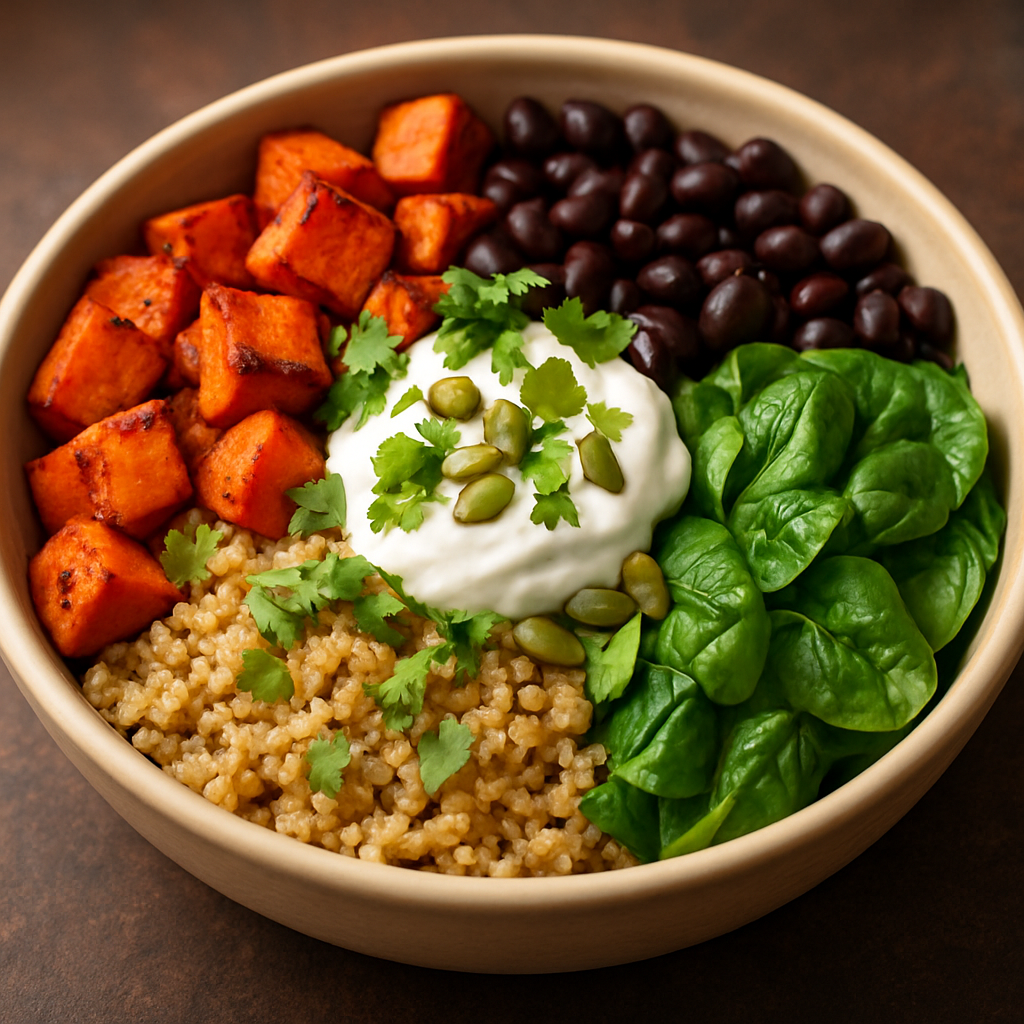
6. Energy‑Boosting Trail Mix Comparison
Let’s be honest: when the night shift drags on, the first thing you reach for is often a sugary granola bar or a pretzel from the vending machine. It gives a quick jolt, but the crash lands you right in the middle of a code call. What if you could snack on something that keeps the energy steady, feels satisfying, and fits neatly in your locker?Enter the humble trail mix. It’s basically nature’s energy bar – nuts for protein and healthy fats, dried fruit for quick carbs, and a dash of seeds or dark chocolate for antioxidants. Below we compare three crowd‑favorite mixes that our night‑shift nurses swear by, plus a quick cheat‑sheet so you can custom‑blend your own.1. Classic Nut‑Fruit Mix
This is the "starter kit" you see on most nurse break‑room shelves. Think almonds, cashews, and a handful of raisins or dried cranberries. The nuts give about 6 g of protein per ounce and a slow‑release fat that steadies blood sugar, while the fruit adds a burst of natural sugar for that mid‑night lift.Why nurses love it: it’s portable, doesn’t get soggy, and the sweet‑salty combo feels like a mini‑treat without the guilt. If you’re looking for a quick reference, a night‑shift nurse shared her snack‑box routine on Lemon8 , where she pairs this mix with a protein‑rich yogurt for extra staying power.2. Seed‑Boost Mix
Here we up the magnesium and zinc game with pumpkin seeds, sunflower seeds, and a sprinkle of hemp hearts, mixed with a few dark‑chocolate chips and dried apricots. Seeds are tiny powerhouses – a quarter‑cup of pumpkin seeds delivers roughly 5 g of protein and a solid dose of magnesium, which can calm jittery nerves during a hectic shift.Bonus tip: toss in a pinch of sea salt and a dash of cinnamon. The salt replaces electrolytes you lose during long hours, and cinnamon helps modulate blood‑sugar spikes, keeping you alert without the crash.3. Chocolate‑Espresso Mix
If you crave a coffee‑fix without the cup, this mix is your secret weapon. Combine roasted peanuts, cacao nibs, a few espresso‑flavored dried berries, and a smidge of coconut flakes. The caffeine from espresso‑berries gives a gentle boost, while the peanuts supply sustained protein and the cacao nibs load you with flavonoids that support mental clarity.Most night‑shift nurses report reaching for this mix during the 3‑am lull, because it feels indulgent yet still fuels the brain. Just keep the portion to about ¼ cup – the caffeine can add up if you snack all night.
And remember, you don’t have to stick to just one recipe. Mix‑and‑match ingredients week by week to keep your palate from getting bored – it’s like rotating themes in your meal‑prep bowls, but in snack form. In our experience at e7D‑Wellness, nurses who rotate their trail‑mix ingredients report a noticeable dip in mid‑shift cravings and a steadier energy curve.Give one of these mixes a try this week, and notice how a simple handful can keep you alert, satisfied, and ready to tackle the next patient call without the dreaded sugar crash.FAQ
What are the quickest meal‑prep ideas for night‑shift nurses?
The fastest fix is a grab‑and‑go mason‑jar parfait or a pre‑portioned trail mix. Start with a single‑serve Greek yogurt cup, layer a handful of low‑sugar granola, a drizzle of honey, and a sprinkle of berries. Toss the mix into a zip‑top bag the night before, so when your shift starts you just flip the lid and eat. It takes under five minutes to assemble and stays safe at room temperature for a few hours.How can I keep my pre‑made meals fresh during a 12‑hour night shift?
Pack your jars in an insulated lunch bag and slip in a small freezer pack. Stainless‑steel containers seal tighter than plastic, which helps prevent sogginess. If you’re using a quinoa salad or a warm burrito bowl, let it cool to room temperature before sealing—this cuts down on condensation. A quick tip is to line the bag with a paper towel; it absorbs any stray moisture and keeps everything crisp until you need it.What protein sources work best in overnight meals?
Greek yogurt, cottage cheese, and plain kefir are dairy powerhouses that blend smoothly into overnight oats or parfaits. If you prefer plant‑based, crank up the protein with silken tofu, a scoop of pea‑protein powder, or a handful of edamame beans. Cooked lentils and canned salmon also keep well in the fridge and add a punch of omega‑3s. Just portion ½‑cup servings so the macro balance stays steady through the night.How often should I rotate my snack combos to avoid palate fatigue?
A simple rule is to switch it up every three to four days. Keep a master list of your favorite nuts, dried fruits, and seeds, then shuffle the combos on a weekly spreadsheet or a sticky‑note board. When you notice the same flavor feeling bland, replace one ingredient—swap raisins for dried apricots or almonds for pistachios. This tiny habit keeps your taste buds engaged and ensures a broader range of micronutrients over the month.Can I prepare meals on my day off and still have them taste fresh all week?
Absolutely—you just need to focus on texture‑friendly foods and proper storage. Cook grains like quinoa or brown rice in bulk, then cool them on a sheet pan before refrigerating; this prevents them from getting gummy. Add fresh veggies right before you eat, or keep them in a separate container so they stay crisp. A splash of lemon juice or a light vinaigrette added at the last minute can revive flavors, making a Monday‑prepped bowl feel brand new on Friday.What budget‑friendly snack combos give the most sustained energy?
Mix a quarter‑cup of roasted pumpkin seeds (magnesium), a handful of almonds (protein and healthy fat), and a small scoop of dried cherries (natural sugar and antioxidants). The seed‑to‑nut ratio keeps blood glucose steady, while the cherries give a quick lift without a crash. You can buy these items in bulk, portion them into reusable silicone bags, and you’ll spend less than $0.50 per serving—perfect for tight hospital budgets.How do I adjust my meal‑prep portions if I’m gaining or losing weight on night shifts?
First, track what you actually eat for a few days—use a simple note‑taking app or the wellness tracker you already have at e7D‑Wellness. If you’re consistently gaining, shave 10‑15 % off the carb portion (swap a half‑cup of rice for extra veggies). If you’re losing weight, add a protein boost like a boiled egg or a spoonful of nut butter to each meal. Small tweaks every week add up without overhauling your whole prep routine.Conclusion
After scrolling through parfait jars, quinoa salads, and burrito bowls, the common thread is simple: prep once, eat well all night. When you line up your ingredients on Sunday, you’re not just saving time—you’re giving your body a steady stream of protein, complex carbs, and healthy fats that keep blood sugar stable until sunrise.So what’s the next move? Start by picking three meals you love, batch‑cook them, and pack them in reusable containers. Use a quick checklist (protein, carb, veg, healthy fat) for every jar, and set a reminder on your phone to swap the containers mid‑week. In our experience at e7D‑Wellness, nurses who follow a consistent prep rhythm report a 12‑15 % drop in mid‑shift cravings.Don’t forget the small‑but‑crucial health checks that sit outside the kitchen. Night‑shift nurses spend hours in noisy wards, so scheduling regular hearing screenings can prevent long‑term issues – a quick call to Brighter Ears hearing clinic can fit into your monthly wellness routine.Lastly, keep your mindset sharp. Pair your meals with the effective stress‑management techniques for nurses we’ve outlined, and you’ll stay focused, energized, and less likely to reach for vending‑machine junk.Take these steps tonight: write down your meal‑prep menu, grab your containers, and book that hearing check. Your night‑shift stamina—and your patients—will thank you.


Comments