

How to Use a Physician Burnout Self Assessment Tool
- Patricia Maris

- 3 hours ago
- 7 min read
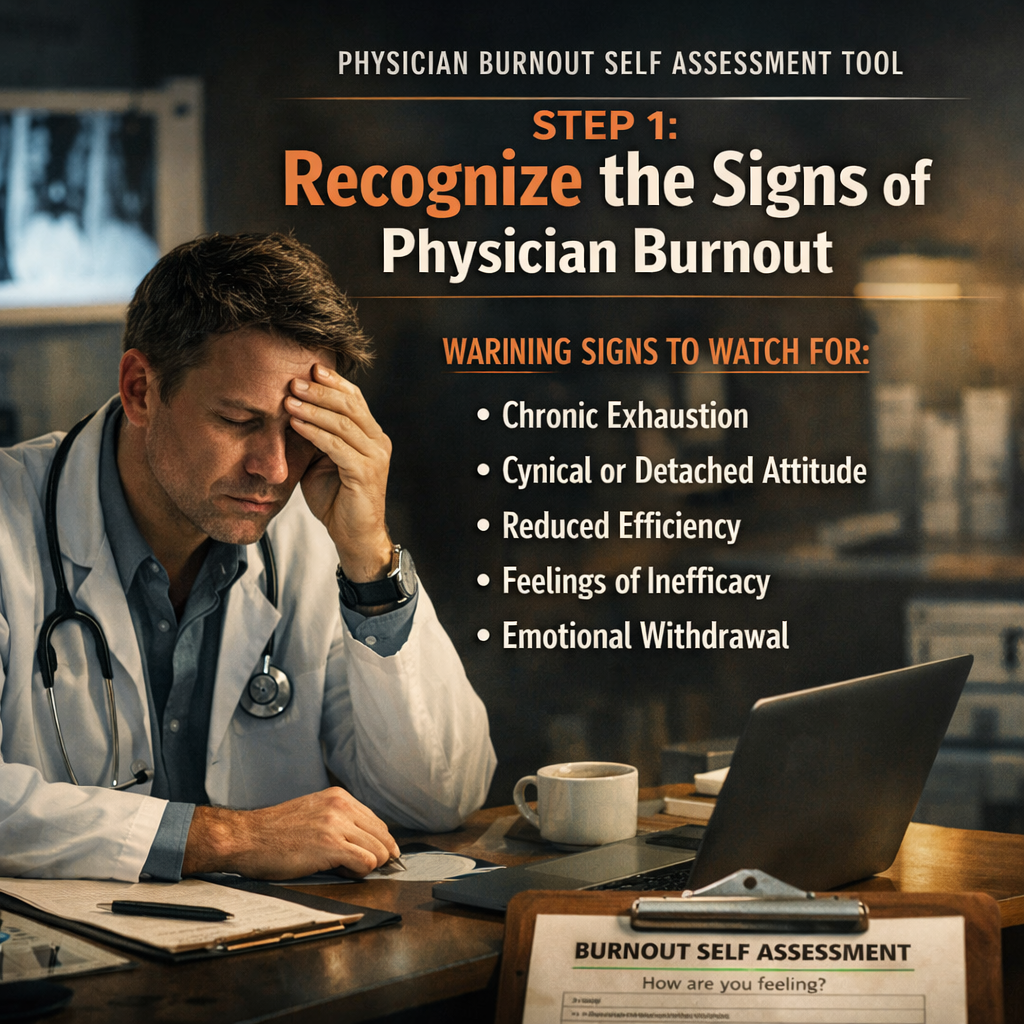
Physician burnout is real. It hurts you, your patients, and your practice. You can stop it, but you need a clear path. In this guide you’ll learn how to use a physician burnout self assessment tool, read the scores, and turn the data into a practical wellness plan built on the 8 Pillars.
We’ll walk through five steps, from spotting the warning signs to tracking progress over months. You’ll get concrete tips you can start today, plus links to tools that keep your data private and evidence‑based. Let’s get started.
Step 1: Recognize the Signs of Physician Burnout
Burnout isn’t just feeling tired. It shows up as emotional exhaustion, depersonalization, and a dip in personal accomplishment. The AHRQ study on clinician burnout found that packed work days, time pressure, and emotional intensity raise the risk for doctors AHRQ study on clinician burnout. When you notice these patterns, you’re seeing the first clue.
Here are three common signals:
Feeling drained after a shift, even if you slept.
Viewing patients as tasks rather than people.
Second‑guessing your own competence.
And the physical side matters too. Headaches, stomachaches, or constant fatigue can be the body’s alarm.
Imagine you’re a resident who just finished a 12‑hour night. You notice you’re snapping at nurses and can’t focus on a chart. That’s a red flag.
"Burnout is a long‑term stress reaction marked by emotional exhaustion, depersonalization, and a lack of sense of personal accomplishment."
Spotting these signs early helps you act before the problem snowballs.
Key Takeaway:Notice emotional fatigue, depersonalization, and loss of achievement , they are the three pillars of burnout.
But noticing isn’t enough. You need a way to measure what you see.
And that’s where a self‑assessment tool comes in.
Bottom line:Recognizing burnout’s three core symptoms lets you move quickly to assessment.
Step 2: Take a Validated Self‑Assessment Tool
There are dozens of questionnaires out there, but not all are built on solid research. The best choice is a physician‑focused, validated instrument that you can complete online in minutes.
One such tool is the Confidential Wellbeing Self‑Assessment offered by e7D‑Wellness. It’s designed for clinicians, runs on a secure web portal, and gives you a quick burnout risk profile.
Before you start, compassion fatigue test guide . That guide explains why short, validated screens work and how they compare to the longer Maslach Burnout Inventory.
When you open the assessment, you’ll see three sections:
Emotional exhaustion items.
Depersonalization questions.
Personal accomplishment statements.
Answer honestly. The tool scores each area on a 0‑100 scale, then flags high‑risk zones.
And remember: a single‑item screen can be statistically valid, but it won’t capture nuance. That’s why the e7D‑Wellness tool blends the brevity of a single‑item screen with the depth of the Maslach inventory.
Pro Tip:Take the assessment at the same time of day each week. Consistency makes trends easier to spot.
After you finish, download the PDF report. It shows raw scores, risk categories, and a quick visual graph.
But the real work starts when you translate those numbers into action.
Bottom line:Use a validated, clinician‑specific self‑assessment tool to get a reliable burnout snapshot.
Step 3: Interpret Your Results Across Wellness Pillars
The assessment gives you three scores, but physicians live in eight wellness dimensions. Mapping the scores to the 8 Pillars helps you see the whole picture.
Below is a quick reference table that lines each burnout dimension with the pillar it most directly influences.
Burnout Dimension | Primary Pillar | Secondary Pillars |
Emotional Exhaustion | Rest | Movement, Nutrition |
Depersonalization | Thoughts | Willpower, Breathing |
Reduced Accomplishment | Willpower | Thoughts, Sexual Wellbeing |
For example, a high exhaustion score often lines up with poor sleep or low hydration. If your Rest pillar is low, focus on sleep hygiene first.
And if depersonalization is high, look at the Thoughts pillar , you may be stuck in negative self‑talk.
Use the wellbeing measurement guide wellbeing measurement guide to compare your pillar scores against the average clinician benchmarks.
When you see a mismatch, say, high willpower but low movement, it tells you where to invest energy.
Key Takeaway:Match each burnout score to the pillar it most affects to pinpoint where change will matter most.
Now you have a map. Next, turn that map into a plan.
Bottom line:Interpreting scores through the 8 Pillars reveals the exact wellness areas that need attention.
Step 4: Create a Personalized Action Plan Using the 8 Pillars
With your pillar gaps clear, you can build a plan that fits your schedule and practice style. The AMA Joy in Medicine road map AMA Joy in Medicine road map outlines six system‑level pillars, but you can adapt the same logic to your own life.
Here’s a simple template:
Willpower:Set a micro‑goal each morning, e.g., a 2‑minute meditation before rounds.
Breathing:Use a 4‑7‑8 breathing cue before a stressful patient encounter.
Hydration:Keep a water bottle at your charting station and sip every hour.
Thoughts:Write one positive patient outcome in a journal each day.
Nutrition:Follow the Mediterranean diet recommendations Mediterranean diet and burnout research , more veggies, less processed food.
Movement:Take a 5‑minute walk after each clinic block.
Rest:Block 30 minutes of wind‑down time before bed; no screens.
Sexual Wellbeing:Schedule a weekly check‑in with your partner to discuss stress and intimacy.
And don’t try to change everything at once. Pick two pillars to focus on for the first month.
Use the MarisGraph wellness app MarisGraph wellness app to track daily habits. The app lets you log water intake, sleep hours, and mood in one place.
And remember to celebrate small wins. A short note in your journal saying, “I walked 10 minutes today,” can boost motivation.
Pro Tip:Pair each new habit with an existing routine (habit stacking) to increase adherence.
Below is a quick view of how a 4‑week rollout might look.
Week | Focus Pillars | Key Action |
1 | Rest, Hydration | Set bedtime alarm; use a water reminder app. |
2 | Movement, Breathing | 5‑minute post‑clinic walk; practice 4‑7‑8 breathing. |
3 | Nutrition, Thoughts | Add one serving of legumes daily; journal a positive patient story. |
4 | Willpower, Sexual Wellbeing | Morning 2‑minute meditation; schedule a weekly intimacy conversation. |
Adjust the plan as you go. If a habit feels too hard, scale it back rather than drop it.
Key Takeaway:A focused, pillar‑by‑pillar plan turns data into daily actions that reduce burnout.
Bottom line:Build a step‑by‑step action plan that targets the specific pillars your scores revealed.
Step 5: Track Progress and Adjust Over Time
Measurement is a habit. The AMA STEPS Forward toolkit advises that organizations run a burnout survey at least once a year AMA STEPS Forward toolkit. As an individual, you can do it quarterly.
Here’s how to keep the loop tight:
Re‑take the physician burnout self assessment tool every 90 days.
Update your pillar scores in the MarisGraph app.
Review the trend chart. Look for scores that move from red to amber.
Adjust one habit each cycle based on what’s stuck.
For example, if your Rest score improves but your Thoughts score stays low, add a brief gratitude practice before sleep.
And share your progress with a trusted colleague. Peer accountability can keep you honest.
Pro Tip:Set a calendar reminder titled “Burnout Check‑In” to prompt the quarterly reassessment.
When you see steady improvement, celebrate it. When numbers plateau, consider a deeper intervention, like a brief coaching session or a workplace workflow tweak.
"Assessing burnout is the first step in turning the tide."
Tracking over time also gives you data you can bring to leadership if you need systemic changes.
Bottom line:Regularly re‑measure, review trends, and tweak habits to keep burnout in check.
Conclusion
Physician burnout doesn’t have to be a silent, inevitable part of a medical career. By recognizing the three core signs, taking a validated physician burnout self assessment tool, interpreting the results through the 8 Pillars, creating a personalized action plan, and tracking progress, you can reclaim energy and joy in your work.
The e7D‑Wellness confidential self‑assessment gives you the data you need, while the MarisGraph app helps you turn that data into daily habits. Start small, stay consistent, and let the evidence‑based pillars guide you toward a sustainable, healthier practice.
Ready to take the first step? Visit the e7D‑Wellness site, complete the assessment, and begin your path to lasting well‑being today.
Frequently Asked Questions
What is a physician burnout self assessment tool and why should I use it?
A physician burnout self assessment tool is a short, validated questionnaire that measures emotional exhaustion, depersonalization, and personal accomplishment. Using it gives you a concrete baseline, helps you spot early warning signs, and provides data you can share with mentors or leadership to drive change. It’s a simple first step that turns vague feelings into actionable insight.
How often should I retake the self assessment?
We recommend retaking the tool every three months. This cadence aligns with the AMA STEPS Forward recommendation for quarterly checks and lets you see whether new habits are moving scores in the right direction. If you notice a sudden spike, you may need to intervene sooner.
Can the tool replace professional mental‑health care?
No. The self assessment is a screening instrument, not a diagnosis. It flags risk so you can decide whether to seek counseling, peer support, or workplace resources. Think of it as a health‑check for your mind, much like a blood pressure reading.
What if my scores are low but I still feel exhausted?
Self‑report tools capture perception, not every nuance of fatigue. If you feel drained despite low scores, consider looking at lifestyle factors like sleep, nutrition, or workload. The 8 Pillars framework can help you locate hidden stressors that the questionnaire might miss.
Is the assessment confidential?
Yes. The e7D‑Wellness platform stores results anonymously and does not share identifying information without your consent. This protects your privacy while still giving you a personal wellness profile.
How can I involve my employer without breaching confidentiality?
You can export a de‑identified summary report that shows aggregate scores without personal identifiers. Share that with a wellness champion or chief wellness officer to spark organization‑wide improvements while keeping your data private.
Do I need any special software to view my results?
No special software is required. Results appear in a web‑based dashboard that works on any browser. You can also download a PDF for offline review or print it for a quick reference.
What if I’m a medical student or resident, does the tool still apply?
Absolutely. Burnout risk starts early in training. The physician burnout self assessment tool is calibrated for all stages of a medical career, from student to attending. Early detection lets you build resilience habits before patterns harden.


Comments