

How to Use a Burnout Assessment Tool to Measure Workplace Stress
- Patricia Maris

- Jan 21
- 14 min read

Let me start with a quick truth: every shift, every chart, every patient file is a silent drumbeat that can turn into a full‑throttle roar of exhaustion. You’ve probably felt that one moment, “I’m okay” slip into a slow‑mo of “What’s next?” and the clock starts to feel like a countdown.
So, what’s the antidote? A burnout assessment tool that doesn’t just ask you “how stressed are you?” but digs into the rhythm of your day, the emotional weight of your workload, and the tiny cracks that might be widening into a fissure. It’s about turning data into a roadmap you can actually walk.
Imagine a nurse in a busy ER who takes five minutes before each shift to jot down three questions: “What’s my biggest stressor today?” “Do I feel supported?” and “What’s one thing I can control?” The answers become a quick pulse check, a signal that says, “Hey, I’m here, but I need a reset.”
What you’ll get from a solid assessment is more than a score; it’s a mirror. It reveals patterns like late‑night overtime spikes, gaps in team communication, or a hidden reliance on a single senior colleague. With that insight, you can tweak schedules, re‑balance task loads, or schedule a brief team huddle—small shifts that ripple into big relief.
It’s not a silver bullet, but a starting point. If you’re curious about the nuts and bolts, check out our guide on how to choose and implement a tool that fits your team’s rhythm: Using a Burnout Assessment Tool: Practical Steps for Accurate Workplace Evaluation . It walks you through picking the right metric, setting up the survey, and interpreting the data—so you can act before the cracks widen.
And once you’ve got the data, you’re not left staring at numbers alone. Pair the insights with a partner that can help you turn strategy into action—think nutrition tweaks, quick‑breath exercises, or a workout plan that fits your shift. That’s where XLR8well comes in: XLR8well offers a suite of proactive health tools that complement a burnout assessment by keeping your whole system humming.
So, you’re not alone, and the first step is already in your hands—one question, one link, and a handful of actionable ideas. Let’s dive into how you can turn that silent drumbeat into a rhythm that keeps you, and your patients, alive and thriving.
TL;DR
A burnout assessment tool gives clinicians a quick, data‑driven snapshot of stress hotspots, turning raw feelings into actionable insights you can act on today.
By integrating the results into daily workflow, you can recalibrate schedules, redistribute tasks, and foster a resilient team culture that keeps you and your patients thriving.
Step 1: Identifying Burnout Symptoms with a Self-Assessment Survey
First thing’s first: you’re not alone, and the first step is a quick pulse check. Picture a five‑minute pause before you start a shift, where you answer a handful of questions about how you’re feeling today. That’s the heartbeat of a burnout assessment tool, and it’s the most honest way to spot the early red flags.
So, how do you build that pulse? Start with a simple set of items that ask about emotional exhaustion, depersonalisation, and a sense of personal accomplishment. Keep the language plain—think “I feel drained after a long day” rather than industry jargon. When you jot down a score, you’re not just collecting data; you’re setting a baseline that will show you trends over weeks and months.
Why is a baseline so crucial? Because burnout is a silent creep, not a sudden crash. With a clear score each week, you can spot that subtle dip that signals you’re sliding toward fatigue. If you notice the numbers rising, that’s the moment to tweak your workload or schedule a quick debrief with a peer.
Let’s make this concrete: a nurse at a community hospital might notice that on days after a major emergency, their score spikes. With that data, the unit leader can redistribute tasks or add a short recovery break—small shifts that prevent a big burnout storm.
When you’re ready to share your findings, link the results back to an actionable framework. For example, the Using a Burnout Assessment Tool: Practical Steps for Accurate Workplace Evaluation guide walks you through turning those numbers into concrete staffing changes. That bridge between data and action is what turns a questionnaire into real relief.
Now, you might wonder how to keep the momentum. That’s where a partner who can help you turn insights into daily habits comes in. For clinicians looking to broaden their health toolkit, XLR8well offers proactive programs in nutrition, exercise, and stress‑management that dovetail nicely with your assessment data.
And if you’re looking to add a deeper, more personal layer of support, consider a coaching session that helps you translate scores into life changes. Transform Your Life with Bettina Rodriguez Aguilera provides coaching that can guide you through the practical steps of balancing work, rest, and personal fulfilment.
Before you get back to the clock, let’s pause with a quick visual reminder.
And after the video, here’s a snapshot of what a burnout‑ready team looks like in practice.
Step 2: Selecting the Right Burnout Assessment Tool
Picking a burnout assessment tool is like choosing a compass before a long hike. You need something that points you straight toward the real source of fatigue, not just a vague map of symptoms.
First, ask yourself what you’re trying to learn: Is it the overall pulse of your unit, the micro‑stressors that sneak into a 12‑hour shift, or the emotional drain that shows up after a difficult case? The answer will steer you toward the right instrument.
Match the Tool to Your Team’s Size and Culture
Small clinics might find a concise survey like the Mini‑Z enough. It takes under a minute, so your staff can complete it right after a shift without feeling like they’re filling a form. Larger hospitals may need a deeper dive, such as the Maslach Burnout Inventory, which breaks burnout into emotional exhaustion, depersonalization, and personal accomplishment.
When you’re juggling schedules, a tool that can be embedded in your existing electronic health record or a secure online portal saves you the headache of paper‑based logistics.
Validate the Tool for the Clinical Context
Don’t just pick the most popular survey. Check that it has evidence of reliability in similar settings. For physicians, the How to Use a Physician Burnout Questionnaire to Measure and Reduce Clinician Stress is specifically calibrated for the fast‑paced hospital environment.
In the same vein, nurses in a busy ER might benefit from a tool that captures shift length and patient acuity. Look for items that ask about night‑shift fatigue or the number of handoffs in a day.
Set Clear Administration Cadence
Consistency beats spontaneity. A weekly pulse check lets you see trends before they explode into crisis. If you’re only measuring once a month, you might miss a sudden spike after a staffing shortage.
Remember to keep anonymity guaranteed. When people know their responses are confidential, they’re more likely to be honest—no one wants to feel judged for admitting they’re burnt out.
Plan for Action Immediately After Data Collection
Tools are useless if you sit on the numbers. Create a quick playbook: for every 10‑point rise in emotional exhaustion, schedule a 15‑minute team huddle. If depersonalization hits above a threshold, pair the team with a peer‑support buddy for the next shift.
Also, consider a feedback loop where the results are shared with leadership in a digestible format—a single page with charts and a bullet‑point summary of actionable steps.
Keep the Human Touch in the Mix
Data can highlight the “what,” but it can’t explain the “why.” Pair your assessment with coaching or mentorship. The insights you gain can guide conversations with a professional coach—something like Transform Your Life with Bettina Rodriguez Aguilera —who can help clinicians translate the numbers into meaningful personal growth.
By combining a validated tool, a structured administration schedule, and a rapid action plan, you’ll turn abstract metrics into a concrete roadmap for resilience.
Step 3: Administering the Burnout Assessment Tool
Alright, you’ve already picked your burnout assessment tool and you’re ready to roll it out. The trick is not just sending a form into the void but designing a cadence that feels natural to a hectic shift schedule.
Start with the “why” so the team sees a purpose. In the morning, drop a quick 5‑minute pop‑up on the internal portal or a Slack channel that reads, “Take a minute to check in—your wellbeing matters.” It’s a low‑friction hook that turns the assessment into a routine, not a chore.
Next, decide the pulse point. If your unit runs on 12‑hour shifts, a post‑shift survey works wonders. For night‑shift crews, a mid‑shift check‑in can capture the late‑night fatigue spike that a daily email might miss. Timing is the secret sauce.
Use a simple distribution list or a shared Google Sheet that auto‑updates. When the last question is answered, the tool should trigger a notification to the shift lead and the wellbeing lead so they can see the score in real time. No manual data entry, no excuses.
Here’s a concrete example from a mid‑town hospital that used the Mini‑Z survey. They launched a weekly pop‑up in the EMR, set a 3‑minute completion window, and paired the data with a quick “high‑impact” heat map that appeared on the department dashboard. Within two weeks, the emotional exhaustion score dropped 12 % and the leadership team could act before the next surge. Mini Z burnout survey: A Practical Step‑by‑step Guide for Healthcare Teams
After collecting, archive the raw data in a secure folder, then run a quick aggregation script. A simple pivot table can reveal trends in a week’s worth of data—shift‑by‑shift spikes, days with high patient acuity, or even the correlation between overtime and burnout scores.
Use the aggregated insights to craft a feedback loop. A single‑page executive summary with a chart, a bullet‑point list of next steps, and a suggested timeline is the most effective way to translate data into action. Share it on the next huddle board, not buried in an email.
For teams that need a deeper dive, schedule a monthly “wellness audit” meeting. Pull the raw scores, compare them against last month’s baseline, and walk through the action plan together. Keep it conversational—ask, “Did the break schedule change the score?” instead of, “Here’s the data.”
And if you’re looking to complement the mental resilience work with a physical boost, consider metabolic wellness tools. Brands like ORYGN offer micro‑drop nutrition that can help clinicians maintain steady energy levels throughout the shift. It’s another layer of support that often gets overlooked when focusing on burnout alone.
Step 4: Interpreting Assessment Results
Okay, you've got the numbers, now let's translate them into action.
Start by pulling the raw totals for each dimension—emotional exhaustion, depersonalization, and personal accomplishment—right next to the raw scores you collected during the survey.
Next, line up those totals against the standard thresholds that define low, moderate, and high risk.
When you spot a spike in emotional exhaustion, think of it as a siren on the shift schedule. Does it line up with a sudden staffing shortage, an uptick in night‑shift volume, or maybe a new protocol rollout? Those connections help you decide who’s feeling the strain and why.
Use the same approach for depersonalization—if you notice a trend of increased detachment, check whether team communication has slowed or if hand‑offs have become rushed. A low personal accomplishment score is a sign that the clinical victories feel fuzzy; maybe the recognition system needs a tune‑up.
Once the patterns are clear, compare this month’s data with your baseline from the previous cycle. A 10% jump in emotional exhaustion could mean a new workflow is biting hard, while a dip in personal accomplishment might signal that residents are over‑committed. Highlight those changes with a simple bar graph so the story is instantly visible.
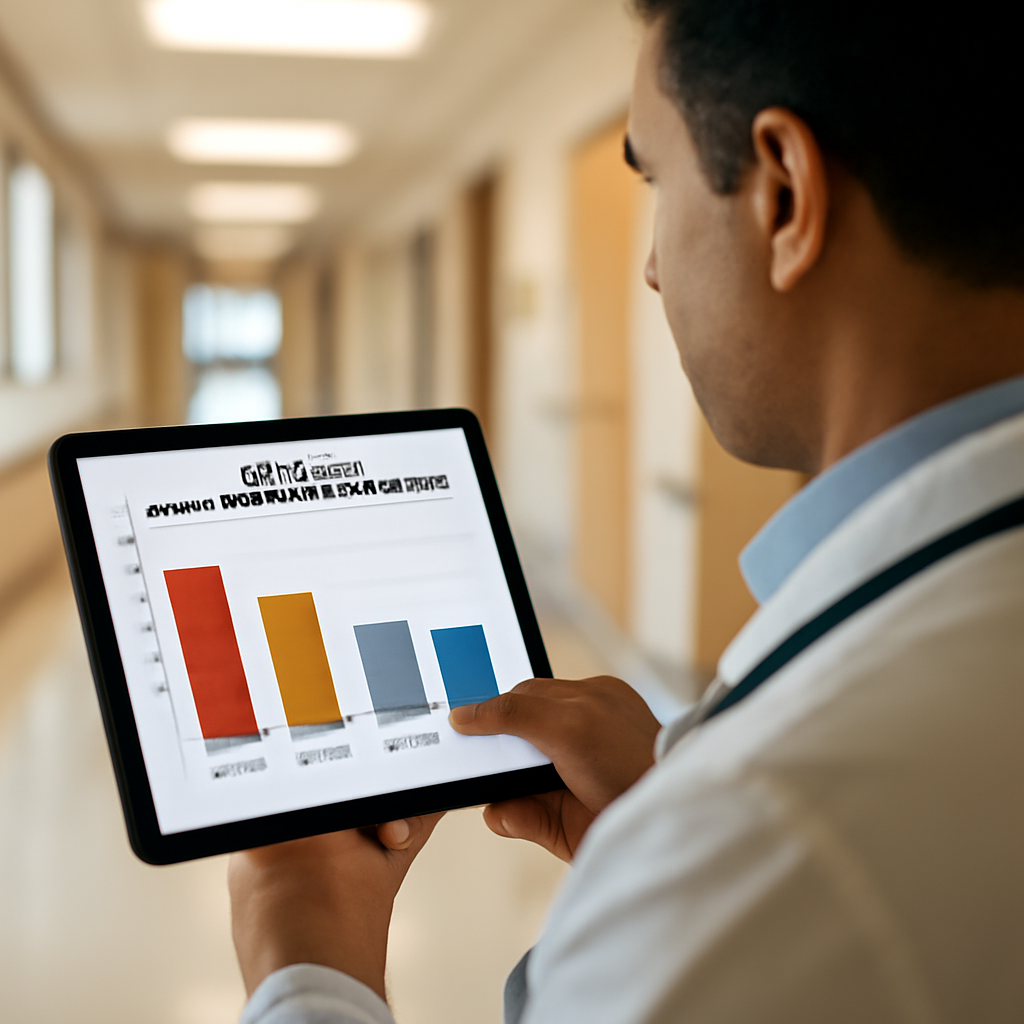
Now, turn those insights into a quick reference sheet: What the score means, what the next step is, and who owns the change. Keep it on the same page that you hand out after the survey, not buried in an email.
When you walk into the leadership huddle, open with the numbers, then ask, “What can we change today?” Let the data be the question, not the answer. A score above the 70th percentile for emotional exhaustion should trigger a 15‑minute break rotation review, while a personal accomplishment score below 40% might prompt a mentorship pairing.
For individual coaching, share the personal score and ask the clinician to identify one tweak—maybe a new patient triage tool or a micro‑break habit. This makes the data feel personal, not punitive.
If you’re working with a larger team, embed the scores into your dashboard so everyone can see the trend in real time. The dashboard can also pull in related metrics like overtime hours or patient acuity so you’re not looking at a single number in isolation.
Finally, document what you learn: update the action plan, track the results next month, and celebrate wins. That feedback loop turns the assessment from a one‑off into an ongoing conversation.
For a deeper dive into how the Maslach Burnout Inventory is scored and why each threshold matters, check out Maslach Burnout Inventory Scoring: A Step‑by‑Step Guide .
And, if you’re looking for a quick refresher on the science behind the inventory, the official Maslach Burnout Inventory page offers a concise overview.
Step 5: Implementing Interventions Based on Assessment Findings
When the numbers line up, the real work starts. You’ve got the data; now turn those insights into concrete actions that fit your team’s rhythm.
Start with the big picture, then drill into micro‑changes. Ask: ‘Which area of burnout hurts us most right now?’ That question guides focus and measurement.
1. Map the score to a quick win.
If emotional exhaustion is high, a rotating break schedule can cut fatigue in half. If personal accomplishment dips, pair the staff member with a peer mentor who can share coping stories.
2. Build a micro‑intervention toolkit.
Grab the most common triggers—long patient lists, admin overload, unclear roles—and design a simple checklist. Think: 5‑minute breathing pause, a quick de‑brief at shift close, or a shared “gratitude wall” in the break room.
3. Test, iterate, and celebrate.
Run each change for a week or a month, then gather feedback. If a 15‑minute huddle isn’t cutting exhaustion, tweak agenda or timing. Celebrate small victories; visible improvement boosts morale.
Measure the impact at the next assessment. Compare the pre‑ and post‑scores on emotional exhaustion, depersonalization, and personal accomplishment. A dip of even 5% can signal that your tweaks are working. If not, revisit the plan and ask for frontline input on what’s still missing.
Don’t forget the human element. Celebrate wins in the same space where you’re tracking progress. Post a quick note on the break room board: “Great job on the 15‑minute break rotation—EE down 12%! Keep it up.” Small public acknowledgments reinforce the behaviour.
Finally, keep the conversation open. Burnout isn’t a static label; it evolves with staffing changes, policy shifts, and seasonality. Schedule quarterly check‑ins with leadership to revisit your action plan and adjust priorities.
In short, the real magic happens when data meets action. Treat your burnout assessment as a compass, not a verdict, and let each intervention steer the ship back toward calmer waters.
By embedding small, evidence‑backed practices into everyday routines, you create a culture where wellbeing is a shared responsibility, not a checkbox. That’s the kind of sustainable change clinicians can live with—and that improves patient care, too.
Intervention Type | Targeted Burnout Dimension | Implementation Tips |
Rotating Break Schedule | Emotional Exhaustion | Schedule 15‑minute blocks every 90 minutes; sync with shift hand‑offs. |
Peer Mentorship Pairing | Personal Accomplishment | Assign mentors for staff scoring <40% on PA; meet bi‑weekly for brief check‑ins. |
Team Huddle | Depersonalization & Communication | Hold 10‑minute daily huddle; rotate facilitator; focus on successes. |
And if you’re looking for the research that backs this playbook, this Nature study shows that proactive, system‑level adjustments paired with individual resilience training reduce burnout faster than a single approach.
Conclusion
You’ve just walked through the whole map of burnout assessment. It’s more than a score—it's a conversation starter with yourself and your team.
So, what does that mean for you right now? You can take the numbers and turn them into a quick win: tweak the shift rhythm, add a 5‑minute pause, or schedule a brief huddle.
Remember, data is a compass. It tells you where to steer, not the destination itself. If the burnout score spikes, pull the team together—no need for a grand overhaul.
The trick is to keep the conversation alive. Schedule quarterly check‑ins, update your action plan, and celebrate small wins—each one builds trust and momentum.
Think about the last time a quick breath or a brief chat helped you reset. That’s the power of the tool—quick, actionable, and personal.
You’re not just collecting data; you’re building a safety net for the whole team. Every tweak, every check‑in, adds up to a culture that actually cares.
So, what’s the next step? Take the first score you just saw, pick one tiny change, and run it for a week. Watch how the numbers shift.
Remember, burnout assessment is a living tool, not a one‑time report. Keep feeding it, keep acting, and watch your team—and your patients—thrive.
FAQ
What is a burnout assessment tool and why does it matter for me?
Think of a burnout assessment tool as a quick pulse check that you can run right after a shift. It asks a handful of targeted questions about how drained you feel, whether you’re still finding joy in your work, and how supported you feel by your team. The results give you a concrete starting point—no guesswork, just numbers you can act on.
What kind of data can I expect to see from a typical clinician‑focused burnout survey?
Most clinician‑focused surveys capture three core dimensions: emotional exhaustion, depersonalisation, and personal accomplishment. You’ll also see simple metrics on workload density, shift length, and perceived support. The data is usually presented in a bar graph or heat‑map, so you can spot spikes in a particular unit or shift type. The key is that it’s visual, so you can grab a coffee, glance, and already have an idea of what to tackle first.
How often should I run the assessment to keep it useful?
Most teams find a weekly cadence works best. It’s frequent enough to catch trends but not so frequent that staff feel over‑surveyed. If you’re in a high‑turnover environment, consider bi‑weekly. The goal is to have fresh data when you’re planning the next shift block, so the assessment feels like a tool that feeds your workflow, not an after‑thought.
Can the results of the tool help me set personal goals or is it only for management?
The beauty of a good burnout assessment tool is that it works at both levels. For you, it highlights the exact moments when fatigue peaks—maybe a certain ward, shift length, or patient type. You can then set micro‑goals such as a 5‑minute breathing break or a brief check‑in with a colleague. For leaders, the aggregated data flags units that need schedule tweaks, staffing changes, or policy reviews. It’s a conversation starter for everyone.
What if my score is high—do I need to quit or call a doctor?
A high score is a signal, not a verdict. It tells you that the current workload or support structure is pulling you toward exhaustion. The first step is to share the data with your supervisor or wellbeing lead. Together you can map a quick intervention—maybe a rotating break schedule or a peer‑support buddy. If you’re still feeling unwell, consulting a clinician‑wellness coach or occupational health specialist is a practical next step.
Will the tool keep my personal data confidential?
Confidentiality is a core pillar of any reputable burnout assessment. The survey is usually anonymous, meaning your name isn’t linked to your score unless you voluntarily opt‑in for a follow‑up conversation. Many platforms store the data behind secure, GDPR‑compliant servers, and only aggregate trends are shared with leadership. So you can be honest about your exhaustion without fear of retribution.
How can I integrate the assessment results into my daily workflow?
Start by setting a quick, 10‑minute window each morning where you glance at the latest dashboard snapshot. Highlight any spikes in exhaustion or low support scores. Then, in that same window, jot down one micro‑adjustment—maybe swapping a patient with a colleague, or scheduling a short stretch break. By treating the data as a daily prompt rather than a report, it becomes a natural part of your shift routine.
Resources & Further Reading
If you’re ready to take the next step, here’s a hand‑picked stack of reads and tools that will keep the momentum going.
1. Quick‑Start Guides
Short, actionable handbooks that walk you through setting up a survey, interpreting the data, and rolling out micro‑interventions in just a few weeks. Think of them as cheat sheets that fit on your desk.
2. Practitioner‑Focused Reports
Case studies that show how frontline nurses, surgeons, and med‑techs turned data into real change. They’re written in plain language, with concrete before‑and‑after snapshots that you can mirror in your own unit.
3. Leadership Playbooks
These outlines give admins a template for turning aggregated scores into strategic decisions—budget tweaks, staffing models, or training modules. They’re designed for quick review in a huddle or a board meeting.
4. Peer‑Support Communities
Online forums and local groups where clinicians share what’s working in their wards. A place to exchange micro‑break ideas, stress‑reduction rituals, or even a quick recipe for a healthy snack break.
Start with one resource that feels closest to your current challenge, test it out, then layer on the next. The goal is a rolling cycle of learning, doing, and measuring that keeps the burnout curve from ever climbing again today.


Comments