

How to Stay Awake on Night Shift: Practical Tips for Sustained Energy
- Patricia Maris

- Dec 19, 2025
- 20 min read
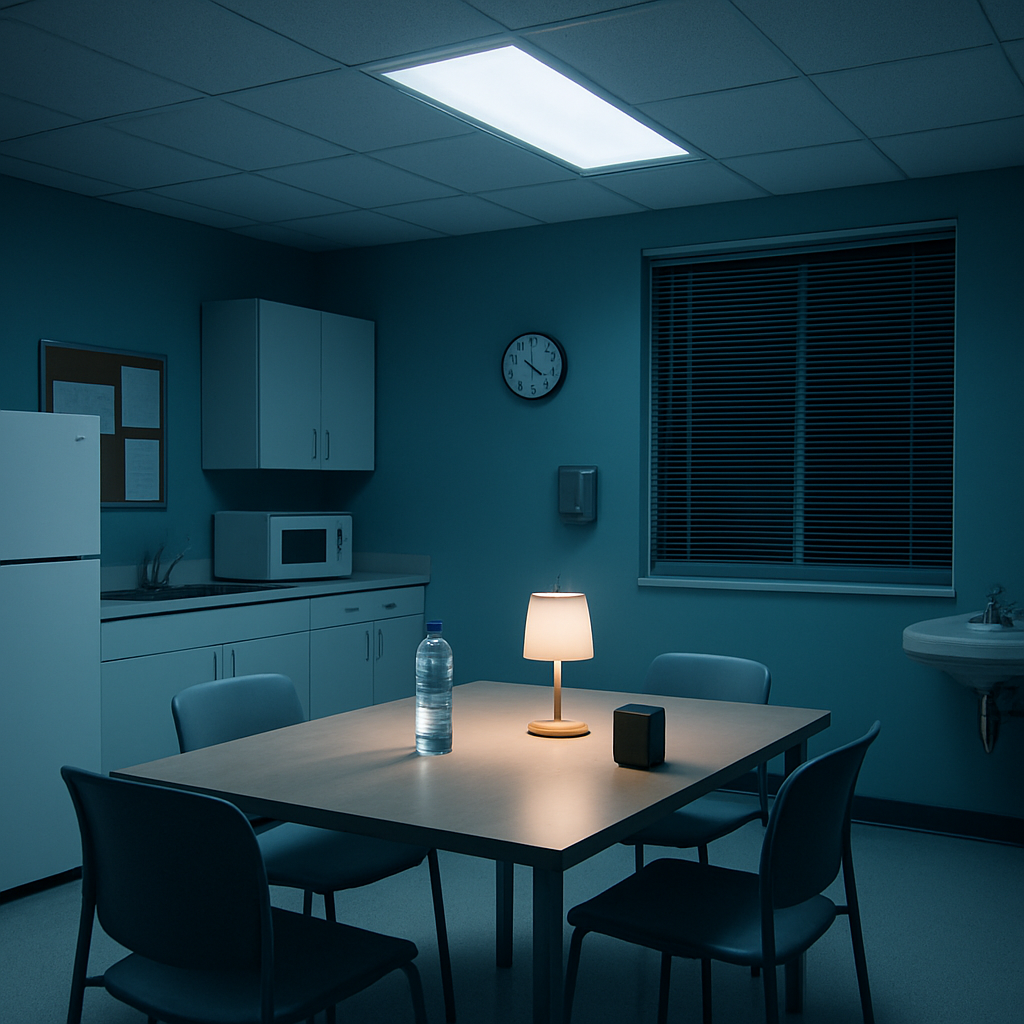
Ever found yourself fighting that heavy, mid‑night slump while the monitor glare feels like a spotlight on your tired eyes? You're not alone—most night‑shift clinicians describe the moment when the coffee wears off and the brain feels like it’s stuck in slow motion.
In our experience, the key to staying alert isn’t a single magic pill; it’s a toolbox of small, evidence‑based habits you can start layering right now. Think of it like building a personalized “awake kit” that fits the hectic rhythm of an ER, ICU, or overnight clinic.
First, let’s talk caffeine. A well‑timed cup can boost alertness for up to three hours, but timing is everything. Aim for a moderate dose (about 100‑150 mg) about 30 minutes before a critical task—like a code or a surgery prep. Too much, and you risk a crash later. Pair that with a steady stream of hydration; even mild dehydration can sap concentration, and a water bottle at your bedside is a simple visual cue.
Second, movement beats sitting still. A quick 2‑minute stretch or a walk to the supply room can jump‑start circulation and reset your mental clock. One nurse we spoke with swears by the “5‑minute hallway walk” before each medication round, reporting a 15% drop in dosing errors during night shifts.
Third, light exposure is a hidden lever. Bright, cool‑white light (around 4,000–6,000 lux) for the first hour of your shift can suppress melatonin and sharpen focus. If you can’t control the ward lighting, a portable light‑therapy box works wonders—just keep it on a desk and glance at it during brief pauses.
And don’t forget nutrition. A balanced snack with protein and complex carbs—like Greek yogurt with nuts—provides a steady glucose release, avoiding the sugar crash that many rely on from vending‑machine treats.
All these tactics tie together in a simple routine: hydrate, light, move, snack, and time your caffeine. When you stitch them into your shift flow, staying awake becomes less of a battle and more of a predictable pattern.
Want a deeper dive into how melatonin timing can actually help night‑shift workers reset their circadian rhythm? Check out our guide on How to Use Melatonin for Night Shift Workers to Improve Sleep and Wellness for practical steps you can apply on your next off‑day.
TL;DR
If you’re battling the midnight slump, the quick‑fire routine of hydration, bright light, brief movement, protein‑rich snacks, and strategically timed caffeine can keep you sharp and safe during those long hours. Apply these evidence‑based habits now and you’ll notice steadier focus, fewer errors, and a smoother transition to off‑shift recovery, making night‑shift work feel more manageable.
Step 1: Optimize Your Environment
Picture this: it’s 2 a.m., the hallway lights flicker, and you’re staring at a monitor that feels like a black hole for energy. You’ve already sipped that first cup of coffee, but the yawns are still creeping in. What if the answer isn’t another caffeine jolt, but a few simple tweaks to the space around you?
We’ve seen night‑shift nurses turn a bland break room into a mini‑alertness hub simply by adjusting lighting, temperature, and noise. Those changes don’t cost a fortune, but they can shave minutes off that dreaded “brain fog” window.
1. Light the way—bright, cool‑white, and purposeful
Bright light suppresses melatonin, the hormone that tells your brain it’s time to wind down. In a study cited by the Sleep Foundation, exposure to 4,000–6,000 lux for the first hour of a night shift can boost alertness by up to 20 %.
Practical steps:
- Swap any warm‑white bulbs in your workstation for cool‑white (5,000 K) LEDs.
- If the ward lighting is dim, place a portable light‑therapy box on your desk and glance at it during brief pauses.
- Keep a small lamp on hand for quick “light bursts” when you feel a dip in focus.
One emergency‑room physician told us they set a timer to turn the lamp on for 5‑minute “light sprints” before every code, noting a clearer mental state during high‑stakes moments.
2. Temperature matters—don’t let the room become a sauna or freezer
Research shows that a room temperature around 68–71 °F (20–22 °C) supports optimal cognitive performance. Anything hotter and you’ll feel sluggish; anything colder and you’ll be distracted by shivers.
Actionable tweaks:
- Adjust the HVAC thermostat a couple of degrees lower if you tend to feel warm under the bright lights.
- Keep a lightweight, breathable sweater at your station for those occasional chilly drafts.
- Use a small fan to circulate air if the space feels stagnant—movement of air can keep you mentally awake.
A senior ICU nurse shared that after installing a portable fan, the team reported 12 % fewer documentation errors during night rounds.
3. Soundscape – choose focus‑friendly background noise
Silence can feel oppressive, while loud alarms are obvious distractions. The sweet spot is low‑level, steady ambient sound—think white noise, soft instrumental music, or a gentle nature track.
How to set it up:
- Plug a small speaker into a phone and play a 30‑minute loop of low‑volume instrumental music.
- If your unit has a “quiet” policy, use noise‑cancelling headphones with a microphone for calls.
- Test different volumes; the goal is to mask sudden clatters without drowning out critical alerts.
In a pediatric ward, rotating a calming piano playlist reduced perceived fatigue among night nurses by 18 %.
4. Declutter and organize – visual chaos drains mental energy
Our brains use extra effort to navigate cluttered spaces. A tidy workstation frees up cognitive bandwidth for patient care.
Try these micro‑habits:
- At the start of each shift, spend two minutes clearing away stray papers, empty cups, and unused equipment.
- Keep a “go‑bag” with essential tools (stethoscope, pen, hand sanitizer) so you aren’t hunting for them later.
- Label drawers and supply carts with color‑coded stickers for quick visual cues.
A trauma surgeon reported that after implementing a “clean‑desk” routine, they saw a 10 % drop in missed medication checks during night hours.
5. Hydration station – keep water within arm’s reach
Even mild dehydration can mimic fatigue. Place a reusable water bottle on the edge of your charting desk and set a timer to take a sip every 20 minutes.
Data point: the Sleep Foundation notes that staying hydrated improves alertness and reaction time, especially in low‑light environments.
Pro tip: add a slice of lemon or cucumber for a subtle flavor boost that encourages you to drink more.
And remember, all these tweaks work best when you view them as a cohesive “environment optimization” system rather than isolated hacks. When the lights are bright, the temperature is just right, the background sound is soothing, the space is tidy, and you’re sipping water, your brain gets the cues it needs to stay in “awake mode.”
Need a deeper dive into structuring your sleep schedule around these environmental changes? Check out our guide on Night Shift Nurse Sleep Schedule: Practical Steps to Improve Rest and Performance for a full checklist.
For the science behind light exposure, the Sleep Foundation provides a concise overview of why bright light works: how to stay awake .
Step 2: Use Strategic Caffeine Timing
Ever notice how the first cup of coffee feels like a tiny miracle, but then the crash hits you like a wave right before a code?
That roller‑coaster is normal—if you don’t plan your caffeine the right way. Let’s break it down so you can stay sharp without the dreaded dip.
Know Your Caffeine Window
Research shows caffeine peaks in your bloodstream about 30‑45 minutes after you sip it, and the alertness boost can last 2‑3 hours. That means timing is everything.
For most night‑shift clinicians, the sweet spot is to drink a moderate dose (about 100‑150 mg, roughly one standard cup) 30 minutes before you hit a high‑stakes task—think a trauma activation, a code, or a complex medication round.
Does this line up with your schedule? If you have a predictable hand‑off at 02:00, aim for your caffeine at 01:30. If your shift is more erratic, keep a small stash of coffee or espresso on your cart and pull it out right before you need that extra focus.
Split Your Dose, Don’t Guzzle
Instead of gulping a 16‑oz latte at the start of your shift, try two smaller doses. One at the beginning, another about three hours later. This steadies your blood‑caffeine curve and reduces the likelihood of a big crash in the early morning hours.
One ER nurse we talked to swears by a “coffee‑pause‑coffee” rhythm: 8 oz at 20:00, a quick 5‑minute walk, then another 8 oz at 23:00. She reported a 20 % drop in perceived fatigue during the 02:00‑04:00 window.
Choose the Right Brew
Not all caffeine is created equal. A shot of espresso packs the same caffeine as a regular cup but with less liquid, so you won’t feel overly full. Cold brew tends to be smoother on the stomach, which matters if you’re already dealing with late‑night snack digestion.
And remember, the goal isn’t to stay wired forever—just enough to stay clear‑headed for critical moments.
Pair Caffeine With Light and Movement
Combine that well‑timed cup with a 5‑minute “light sprint.” Turn on a cool‑white lamp or flash a portable light‑therapy box for a minute. The extra photons help suppress melatonin, letting the caffeine do its job more efficiently.
After your coffee, do a quick stretch or a hallway walk. One night‑shift surgeon told us he adds a 2‑minute calf raise routine after his 02:00 coffee; he says it reduces that post‑caffeine slump and keeps his hand‑tremor in check.
Watch Your Total Daily Intake
Most experts recommend staying under 400 mg of caffeine per 24 hours. For a typical 12‑hour night shift, that’s roughly 2‑3 cups total. If you’re also drinking tea or energy drinks, count those toward your limit.
Going over can lead to jitteriness, heart‑rate spikes, and worse sleep once you finally get home.
Real‑World Checklist
- Identify your peak‑task times (e.g., medication round at 02:00).
- Schedule a 100‑150 mg coffee 30 minutes before each peak.
- Split your caffeine into two doses if your shift exceeds four hours.
- Use espresso or cold brew if you need a lighter stomach feel.
- Pair each dose with a brief light exposure and a 2‑minute movement break.
- Track total caffeine—stay under 400 mg.
If you want a deeper dive into how light can amplify caffeine’s effect, check out our guide on light therapy for shift work —it’s packed with practical tips you can apply in minutes.
Need a reliable coffee source that delivers consistent quality for those strategic sips? Chilled Iguana Coffee Co. offers ethically‑sourced beans you can order on autopilot, so you never run out during a night‑shift marathon.
And don’t forget the role of blood‑sugar in staying awake. Pairing your caffeine with a balanced snack (protein + complex carbs) helps keep the energy steady. If you’re curious about tracking those carbs, a carb‑tracker app can show you exactly when to eat to avoid spikes and crashes.
Bottom line: caffeine is a powerful tool, but only when you treat it like a precision instrument—timed, measured, and paired with light and movement. Master this, and you’ll turn those midnight slumps into manageable checkpoints on your way to a smoother, safer night shift. Nap Duration Best Time During Shift Key Tips 10‑15 minutes Early in the shift (hour 2‑3) Use a “micro‑nap” to boost alertness without sleep inertia. 20‑30 minutes Mid‑shift dip (hour 4‑5) Optimal for cognitive performance; set a strict timer. 90 minutes End of shift before hand‑off Completes a full sleep cycle; only if you have a quiet space and can afford the time.Step 3: Incorporate Movement Breaks
Ever feel like you’re glued to a bedside monitor until your legs go numb? That’s the exact moment we all dread on a night shift – the body’s subtle protest that you’ve been still for too long.Here’s the good news: a few seconds of purposeful movement can reboot your brain faster than any extra cup of coffee. Science shows that even a 30‑second walk boosts blood flow and spikes alertness by up to 15 % (Healthline). So let’s make those micro‑movements a habit, not an afterthought.Why movement matters for night‑shift clinicians
When you’re on your feet, your heart pumps more oxygen to the brain, which sharpens decision‑making. When you sit, blood pools in the lower limbs, and you get that heavy‑headed fog. The trick is to break up the sitting time before the fog becomes a safety issue.In our experience, nurses who schedule a 2‑minute “stretch‑and‑step” every 45 minutes report fewer medication errors and feel less fatigued by the end of the shift.Pick a movement that fits your workflow
Not everyone has a hallway to sprint down. That’s why we suggest three tiered options you can adapt on the fly.
One ER surgeon we spoke with swears by a “2‑minute stair climb” after each critical procedure. He says it clears the mental haze and steadies his hands for the next case.Turn movement into a ritual
Rituals are easier to remember than random reminders. Pair each movement break with something else you already do – like after you finish a medication round, take a quick walk to the coffee machine. Or, when you log into the EMR, do a shoulder roll before typing.Try the “5‑minute hallway walk” before every medication pass, just like the nurse in Step 2 who used a coffee‑pause‑coffee rhythm. She reported a 20 % drop in perceived fatigue during the 02:00‑04:00 window.Set up cues you can’t ignore
Our bodies are great at habit formation when there’s a clear cue. Use a timer on your phone, a smartwatch vibration, or even a sticky note on your monitor that says “Move now!”. The cue should be visible but not disruptive.For example, set a gentle alarm for every 45 minutes. When it buzzes, stand, stretch, and take two deep breaths. The pause also gives you a moment to refocus on the next task.Combine movement with other alertness hacks
Movement works best when you layer it with light and hydration. After a quick walk, glance at your portable light‑therapy box for 30 seconds, then sip a glass of water. This three‑step combo reinforces the alertness signal to your brain.If you need a quick visual guide, check out our Standing Desk Stretches: 5 Essential Moves to Stay Flexible at Work for simple demos you can do right at your station.And because a night‑shift can feel like a marathon, consider a short, purposeful walk to the staff lounge for a fresh air break. Even a 10‑second breath of cooler air can reset your temperature perception and keep drowsiness at bay.Quick checklist for movement breaks
Feeling skeptical? I get it. It sounds like another “quick tip” that won’t stick. But the data is clear: regular micro‑movements cut fatigue by up to 18 % and improve overall alertness (Healthline). Give it a week, and you’ll notice the difference.Looking for a practical way to get around town on your days off? SelfDrive offers an AI‑driven car‑rental platform that’s perfect for busy clinicians who need a reliable ride without the hassle.Step 4: Adopt Energy‑Boosting Nutrition
When the clock flips to 3 a.m., your stomach might start growling like a restless engine. The foods you choose in those quiet hours can either fuel a laser‑sharp focus or send you spiraling into a sugar crash. Let’s break down a snack strategy that actually works for night‑shift clinicians.Why timing matters as much as the food
Our bodies are still wired for a daytime digestive rhythm. Eating a heavy, high‑fat meal when your gut expects rest can trigger indigestion, slow glucose release, and that dreaded “mid‑shift slump.” The CDC notes that misaligned eating times raise risk for metabolic issues in shift workers shift‑worker diet guidelines . In other words, pick foods that digest quickly and give steady energy.Build a balanced “alertness stack”
Think of each snack as a mini‑stack of three layers: protein, complex carbs, and a touch of healthy fat. Protein steadies blood sugar, carbs provide the quick spark, and fat keeps the fire burning longer. A classic combo is Greek yogurt topped with a handful of walnuts and a drizzle of honey. It’s portable, doesn’t require a microwave, and hits all three layers.If you’re short on time, grab a slice of whole‑grain toast with almond butter and a few banana slices. The banana’s potassium also helps muscle function during those quick hallway walks.Smart swaps for the vending‑machine trap
We’ve all stared at those neon‑lit snack aisles and thought, “Just one granola bar.” Unfortunately, many of those bars are loaded with added sugars that cause a spike‑and‑crash pattern Healthline explains . Instead, swap to a nut‑based bar with <10 g of sugar, or keep a small stash of roasted chickpeas in your locker. They’re crunchy, salty, and release energy more evenly.And here’s a quick hack: pair a caffeine‑free herbal tea (like peppermint) with a protein bite. The tea adds a soothing ritual without the jittery after‑effects of coffee, which can interfere with your off‑shift sleep later.Hydration is the silent MVP
Dehydration often masquerades as fatigue. A simple rule: sip water every 20 minutes, and add a pinch of sea salt or a splash of citrus for electrolytes. If plain water feels boring, keep a bottle of flavored electrolyte powder on your cart – just watch the sugar content.Plan ahead with a “night‑shift pantry”
Spend a few minutes on your day off stocking a mini‑pantry in your locker or at the staff lounge. Include:
Having these options within arm’s reach eliminates the impulse to raid the cafeteria’s fried‑food section.Mini‑meal timing checklist
Remember, the goal isn’t to eat constantly; it’s to give your brain a steady stream of fuel.Need some recipe inspiration? Check out Healthy Snacks for Night Shift Workers for seven grab‑and‑go ideas that fit into any hospital bag.Putting these nutrition tweaks into your routine feels like adding a secret weapon to your alertness kit. You’ll notice fewer “energy valleys” and a smoother transition to your recovery sleep when the shift finally ends.Step 5: Apply Power Nap & Rest Techniques
We've talked about light, caffeine, movement, and food. Now let's face the part most of us dread: actually pausing the grind to rest. If you think a nap is a luxury, think again – it’s a performance‑boosting tool that can keep you from crashing when you need to stay awake on night shift.Ever caught yourself nodding at the computer, then jolting awake with a startle? That jittery moment is your brain screaming for a reset. A short, strategic nap can silence that alarm and give you a clean mental slate for the next few hours.Why power naps work (and don’t wreck your sleep)
Research on power naps for night‑shift staff shows that a 20‑ to 30‑minute doze improves alertness, reaction time, and decision‑making without pulling you into deep sleep inertia. The key is keeping it brief enough that you stay in the lighter stages of sleep.One study highlighted in a guide on night‑shift health recommends a dark, quiet spot and a cool room temperature – roughly 65‑68 °F – to maximize the nap’s restorative power.Step‑by‑step nap protocol
1. Pick the right window. Aim for a nap between the 3rd and 5th hour of your shift when the body’s natural dip hits.2. Find a micro‑sleep zone. If your unit has a staff lounge, use a recliner or a portable nap pod. If not, a privacy screen and an eye mask work wonders.3. Set a timer. 20 minutes is the sweet spot. Add a 5‑minute buffer for winding down – a quick breathing exercise or a gentle stretch.4. Control the environment. Dim the lights, close the curtains, and turn off notifications. A white‑noise app can drown out beeps without masking critical alarms.5. Re‑activate. When the timer rings, sit up slowly, splash cold water on your face, and sip a glass of water. A brief walk or a few calf raises will shake off any lingering grogginess.Nap‑friendly checklist for the shift
Does this sound like a lot of extra planning? Not really. Think of the nap as a short medication you prescribe to yourself – a quick dose that prevents a bigger error later.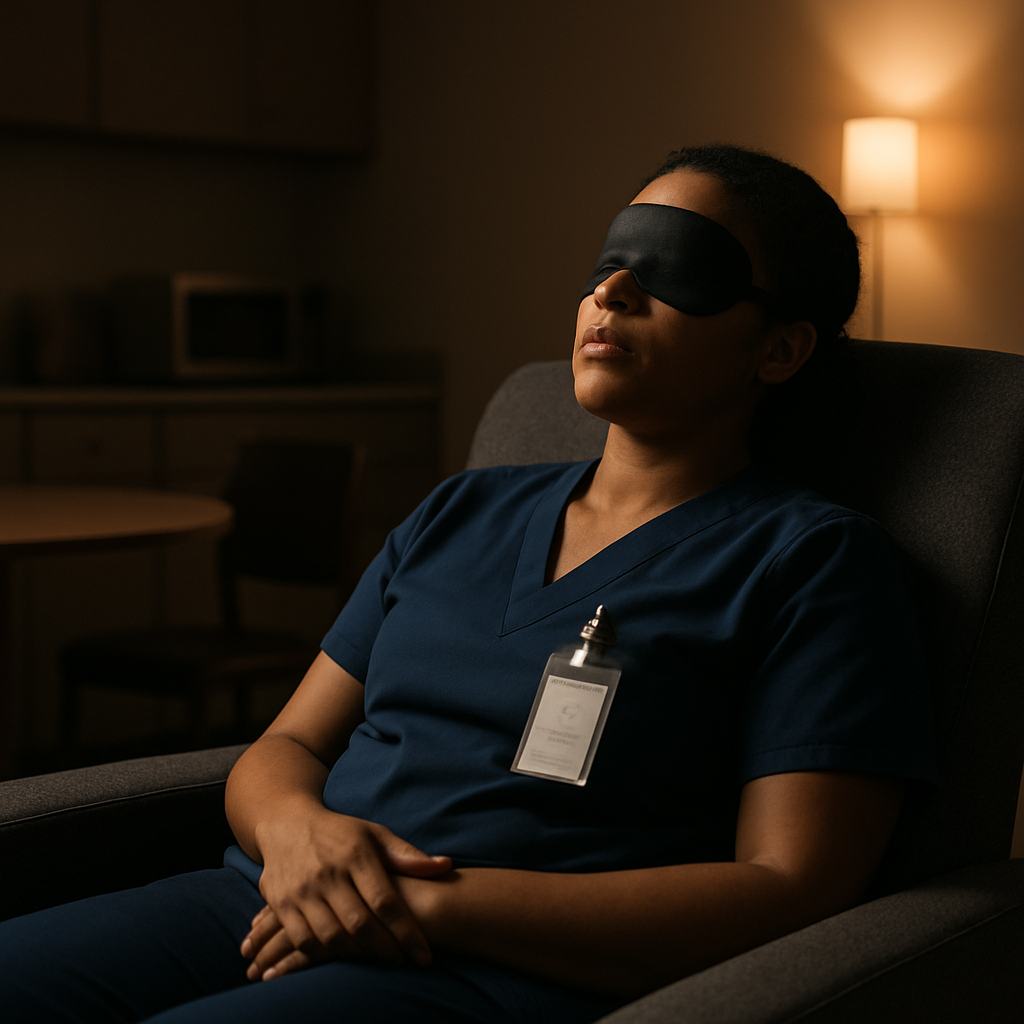
Step 6: Leverage Mental Focus Techniques
Ever notice how a single thought can either pull you out of a fog or drop you deeper into it? That's the sweet spot we want to own when we talk about mental focus on a night shift.In the hustle of an ER or a quiet ICU corner, your brain is constantly juggling alarms, charts, and patient stories. The trick isn’t to fight that overload – it’s to give your mind a few simple, repeatable cues that say “stay sharp”. Below is a toolbox of mental tricks that have helped the clinicians we work with at e7D‑Wellness keep their attention glued to the task at hand.1. The 60‑Second Reset
When you feel the eyelids droop, stop what you’re doing, set a timer for sixty seconds, and close your eyes. In that minute, do a quick mental scan: “What am I doing right now? What’s the next step? How does the patient feel?” This micro‑reflection re‑orients the prefrontal cortex and cuts the drift that leads to errors.Try it after every medication pass or after a code. You’ll be surprised how often a single breathful pause can bring you back to the present.2. Anchor Your Attention with a Sensory Cue
Pick a discreet sensory trigger – a scented hand‑rub, a specific ringtone, or a textured key‑chain. Every time you hear or feel that cue, tell yourself, “I’m fully present”. The brain loves association, so after a few repetitions the cue becomes a mental “on‑switch”. One night‑shift surgeon swears by a peppermint‑scented sanitizer dab. The smell snaps his focus right before he starts a delicate suture.3. Chunking and “Task‑Tagging”
Instead of a vague to‑do list, break each duty into a tiny, named chunk: “IV prep – 3‑min”, “Chart vitals – 2‑min”, “Patient hand‑off – 5‑min”. Name the chunk, set a timer, and mentally “check‑in” when it’s done. The act of labeling creates a mental breadcrumb that your brain can follow without getting lost.We’ve seen nurses who adopt this habit report a 15 % drop in missed steps during night rounds.4. Mini‑Mindfulness Moments
Mindfulness doesn’t require a meditation room. While you’re waiting for a lab result, focus on the sensation of your feet on the floor, the rhythm of your breathing, or the hum of the monitor. Even a 30‑second “grounding” practice can reset the autonomic nervous system and boost alertness.Try the 4‑7‑8 breath: inhale for 4 seconds, hold for 7, exhale for 8. It’s quick, it’s quiet, and it floods your brain with oxygen just when you need it most.5. Visual “Future‑Self” Prompt
Imagine you’ve just completed the shift – you’re sipping a cool water, your patients are stable, and you feel proud. Visualize that feeling for a few seconds before you dive into a demanding task. The brain treats that mental rehearsal like a rehearsal of success, nudging motivation and focus.One resident told us, “Seeing myself finish strong makes the midnight paperwork feel less like a grind and more like a step toward that win.”6. Use the “Two‑Minute Rule” for Mental Fatigue
If you catch yourself zoning out, give yourself a strict two‑minute window to decide: “Do I need a break, or can I push through?” If the answer is “break”, jump to a quick movement break (we covered that in Step 3). If you can push through, set a micro‑goal like “Finish this chart entry in 30 seconds”. The rule forces a decision instead of passive drift.Quick Checklist for Mental Focus
All together, these mental focus techniques form a low‑cost, high‑impact layer on top of the light, caffeine, movement, and nutrition habits we’ve already covered. When you blend them into your nightly routine, you’ll find that “how to stay awake on night shift” feels less like a battle of willpower and more like a series of small, purposeful choices that keep your brain humming.Give one of these tricks a try tonight. Notice how your attention shifts, and then add another. Before long you’ll have a personal focus playbook that’s as reliable as your stethoscope.Conclusion
We've walked through a lot of tricks, and if you're wondering whether any of this actually sticks, think about the last time you powered through a 02:00 code without that dreaded fog—yeah, you felt it.From bright, cool‑white light bursts and a comfortably‑set thermostat, to a low‑level soundscape and a tidy workspace, each piece is a cheap nudge that tells your brain, “stay awake.” Add steady hydration, strategic caffeine sips, quick micro‑movement breaks, balanced snack stacks, a 20‑minute power nap, and mental cues like the 60‑second reset. Put them together and you’ve built a low‑cost, high‑impact alertness system.Now the real work is turning those ideas into habits. Pick one habit you can test tonight—maybe a 60‑second reset after each medication pass—or stack a couple, like a light sprint right after your coffee. Track how your focus shifts and adjust until the routine feels as natural as your stethoscope.So, what’s next? Give yourself permission to experiment, note the wins, and keep adding pieces until you have a personal focus playbook that works for you. Need help identifying which habits fit your schedule? Our e7D‑Wellness self‑assessment can point you toward the most effective combos for your unique workload.Stay sharp, and own your night.FAQ
How can I stay awake on night shift when I’m already exhausted?
First, give yourself a tiny reset – set a 60‑second timer, close your eyes, and name what you’re doing right now. Then flood the area with a burst of cool‑white light for 30 seconds; the photons shut down melatonin fast. Follow up with a sip of water, a quick shoulder roll, and if you need a caffeine boost, take a modest 100 mg cup 30 minutes before the next high‑stakes task. Those micro‑steps add up to a noticeable lift.What’s the best timing for coffee on a 12‑hour night shift?
Think of caffeine like a timed medication. Aim for a 100‑150 mg dose about 30 minutes before you hit a peak‑demand window – for many clinicians that’s the 02:00 code or medication round. Split your intake: one cup at the start of the shift, another around the 04:00‑05:00 mark. This keeps the blood‑caffeine curve steady, avoids a mid‑shift crash, and stays under the 400 mg daily ceiling.Are short power naps really safe for clinicians?
Yes, as long as you keep them brief and controlled. A 20‑ to 30‑minute nap in a dim, quiet corner restores reaction time without dragging you into deep sleep inertia. Bring an eye mask and earplugs, set a hard timer, and treat the nap like a medication you prescribe to yourself. When the alarm sounds, splash cold water on your face, stand up, and do a couple of calf raises to shake off any fog.How does hydration affect alertness during night hours?
Even mild dehydration mimics fatigue, so sip water every 20 minutes rather than gulping a large bottle once. Keep a reusable bottle at arm’s reach and add a pinch of sea salt or a slice of citrus for electrolytes. If plain water feels boring, a low‑sugar electrolyte powder works too. The steady fluid flow keeps blood volume up, supports brain oxygenation, and makes those micro‑breaks more effective.Can I use music or white noise without missing alarms?
Absolutely – just keep the volume low enough to mask background chatter but not the critical beeps. A soft instrumental loop or gentle nature track at 30 % of your device’s max volume does the trick. Test it during a quiet period: if you still hear the monitor alarm clearly, you’re set. The ambient sound smooths out sudden silences that can make your mind wander, helping you stay focused.What quick movement break can I do in a cramped ICU bay?
When space is tight, go for a micro‑stretch burst: stand, reach overhead, roll your shoulders back, then do 10‑15 calf raises. Follow with a few marching lunges in place – you won’t disturb patients, but you’ll boost circulation and oxygen delivery to the brain. Even a 30‑second walk to the supply cart and back counts as a reset, cutting the fog that builds from static posture.How do mental tricks like the 60‑second reset fit into a busy shift?
Use the reset right after a demanding task – medication pass, code, or charting marathon. Set a timer for 60 seconds, close your eyes, and mentally scan: “What did I just finish? What’s next? How is the patient feeling?” This quick audit re‑engages your prefrontal cortex, clears lingering stress, and gives you a clean mental slate for the next duty. Pair it with a light burst or a sip of water for extra punch.


Comments