

How to Do a Healthcare Worker Stress Self Assessment: 7 Steps
- Patricia Maris

- May 7
- 7 min read
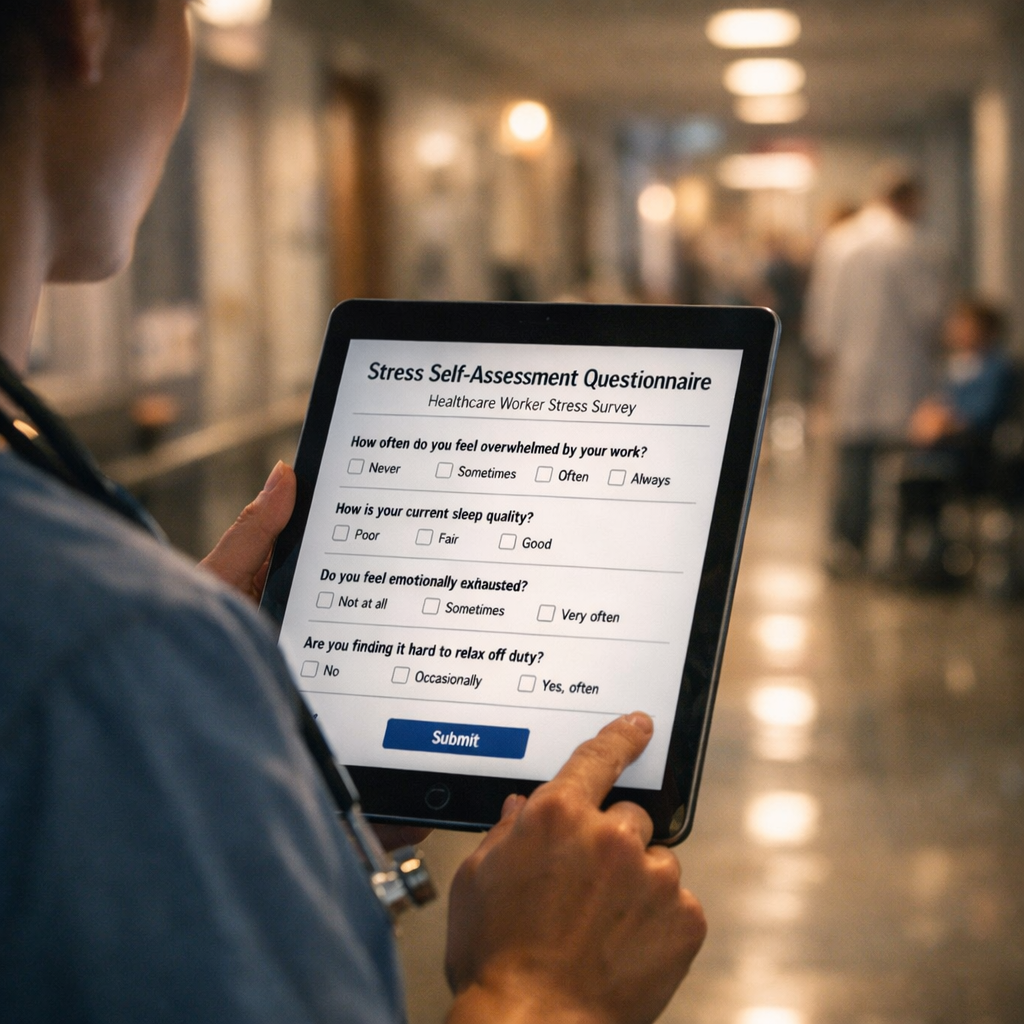
Feeling the weight of nonstop shifts? You’re not alone. A quick self check can flag stress before it turns into burnout. In this guide you’ll walk through seven clear steps to run a healthcare worker stress self assessment , pick the right tools, and act on the results.
We’ll cover why the check matters, which scales are trusted, how to fit quick checks into a busy day, and what to do after you get the score. By the end you’ll have a repeatable routine that keeps you safe and effective.
Why Self-Assessment Is Critical for Healthcare Workers
Stress isn’t just a feeling. It shows up as fatigue, missed details, and even medical errors. When you know your level, you can act before the problem grows.
Research shows burnout costs billions each year and raises safety risks. The Maslach Burnout Inventory is a classic example of how measuring stress can guide change.
But many hospitals still use long, pricey tools even though short free scales exist. A six‑item questionnaire can give similar insight without the fee.
"The best time to start building backlinks was yesterday."
That quote reminds us: waiting costs more than acting early. A simple self‑assessment today can spare weeks of extra stress later.
Here’s a quick way to start: set a reminder at the start of each shift to answer three questions about mood, energy, and sleep. Keep a notebook or use a phone note.
Pro Tip:Pair the three questions with a one‑minute breathing pause. It resets the nervous system and improves honesty.
When you track scores over weeks, patterns appear. You might see a spike after night shifts or after a tough patient case. Those patterns tell you where to focus support.
Seeing the data on a chart makes it real. It’s easier to talk to a manager when you can point to numbers instead of vague feelings.
Key Takeaway:A regular, short self‑check turns vague stress into clear data you can act on.
Bottom line:Early, simple self‑assessment catches stress before it becomes a safety issue.
Top Validated Self-Assessment Scales (PSS, HWSS, and More)
Choosing the right scale matters. You want something proven, quick, and easy to score.
One popular choice is the Perceived Stress Scale (PSS). It asks about feelings of control and overload over the past month.
In Vietnam a new Healthcare Worker Stress Scale (HWSS‑V) was validated with 44 items and strong reliability. The study shows it works well for doctors, nurses and techs. It adds questions about work‑family conflict, which many of us feel.
Another option is the Oldenburg Burnout Inventory. It uses only six items and still predicts burnout risk.
Scale | Items | Time | Cost | Best For |
PSS | 10 | ≈5 min | Free | General stress |
HWSS‑V | 44 | ≈10 min | Free | Vietnam context |
Oldenburg | 6 | ≈5 min | License fee | Burnout focus |
The key is to match the scale to your setting. If you work night shifts, a tool that asks about sleep may be more useful.
57%of tools target burnout
When you choose a scale, write down the scoring guide next to it. That way you can turn raw numbers into a risk level in seconds.
Pro Tip:Use a spreadsheet template to auto‑calculate scores. It saves time and reduces errors.
Many clinicians combine two scales: one for overall stress (PSS) and one for burnout (Oldenburg). The combined view gives a fuller picture.
Remember, the goal isn’t to collect data for its own sake. It’s to spot early warning signs and get help fast.
Key Takeaway:Pick a validated, brief scale that fits your schedule and culture.
Bottom line:A well‑chosen scale turns a feeling into a score you can act on.
Integrating Quick Self-Checks Into Your Shift Routine
Even a five‑minute check can fit into a busy shift. The trick is to anchor it to an existing habit.
Try linking the check to hand hygiene. After you wash your hands, ask yourself three quick questions: “How stressed do I feel right now?” “Did I sleep well?” “Do I need a short break?” Write the answer on a sticky note.
Another anchor point is the end of a patient hand‑off. Before you leave the bedside, take a breath and note your stress level.
For night‑shift staff, the shift change at 7 am works well. Use the quiet moment before the next team arrives to record a score.
Collect scores in a pocket notebook or a secure app. Over weeks you’ll see trends.
Pro Tip:Set a phone alarm titled “Stress Check” to prompt the habit.
When you notice a high score, act fast. Take a five‑minute walk, drink water, or call a peer support line.
Because the check is brief, you won’t feel like it adds workload. Instead it becomes a safety checkpoint.
Key Takeaway:Anchor the self‑check to an existing routine to make it automatic.
Bottom line:Tiny, habit‑linked checks keep stress visible without slowing care.
Stress Management Strategies After Assessment: Mindfulness, Sleep, Nutrition
Once you have a score, you need actions. The three pillars most clinicians find useful are mindfulness, sleep, and nutrition.
Mindfulness can be as simple as a 2‑minute body scan during a break. Focus on each part of the body, notice tension, and let it go.
Sleep is a bigger challenge for night workers. Aim for a consistent wind‑down routine: dim lights, no screens, and a short meditation.
Nutrition matters too. Low‑glycemic snacks keep blood sugar steady, which steadies mood. A handful of nuts or a piece of fruit works well.
Studies link poor sleep to higher blood pressure in clinicians. The CDC notes that chronic stress raises heart risk . So fixing sleep can protect your heart.
73%of clinicians who added a short mindfulness break felt less burnout
Combine the three: after a stressful case, do a 2‑minute breath count, then have a protein‑rich snack, and schedule a 30‑minute wind‑down before sleep.
Pro Tip:Keep a small kit at your station with a timer, a snack pack, and a stress‑rating card.
Track which combo works best for you. The e7D‑Wellness confidential self‑assessment can pull these habits into a personalized plan.
Key Takeaway:Pair mindfulness, sleep hygiene, and smart snacks to lower stress scores.
Bottom line:Targeted daily habits turn a high stress score into a lower one.
Digital Self-Assessment Tools and Apps for On-the-Go Screening
Tech makes it easy to log scores anywhere. Look for apps that store data securely and let you export a CSV.
One popular choice is the free "StressCheck" app. It offers the PSS questionnaire and a simple chart.
Another option is the e7D‑Wellness web portal. It gives a confidential wellbeing profile and links scores to resources.
When you pick an app, check its privacy policy. Your answers should stay private.
Set a daily reminder in the app. Some apps let you add a note about what happened that day , a tough patient, a long meeting, etc.
Pro Tip:Use the app’s export feature to share a summary with your occupational health team.
Digital tools also let you compare scores across units. Hospital leaders can see which departments need more support.
Key Takeaway:A secure app turns self‑assessment into a portable, shareable habit.
Bottom line:Mobile tools keep the stress check handy and data‑driven.
Cultural Adaptation and Addressing Secondary Trauma
Stress looks different in different cultures. Language, work norms, and family expectations shape how we feel.
The HWSS‑V scale was built for Vietnamese staff, adding items about family conflict. That makes it more accurate for them than a generic scale.
Secondary traumatic stress (STS) is common when you hear patients’ painful stories. A meta‑analysis found a strong link between STS and burnout across 33,906 health workers.
To address STS, add a short debrief after a tough case. Ask yourself: “What part of this story stuck with me?” Write a line.
Peer groups can share coping tips. A weekly 15‑minute circle lets staff vent and learn from each other.
65%of workers reported STS during the pandemic
Pro Tip:Use a culturally adapted scale that includes family‑work balance items for a fuller picture.
When you combine a culturally relevant scale with regular debriefs, you catch STS early and can give the right support.
Key Takeaway:Tailor assessments to culture and add brief trauma talks to cut secondary stress.
Bottom line:Adapted tools and quick debriefs protect workers from hidden trauma.
Organizational Policies and Peer Support for Sustainable Wellness
Even the best self‑check won’t help if the workplace blocks help.
Policies that let staff schedule brief wellness breaks reduce fatigue. Leaders should model taking those breaks.
Peer‑support programs give a safe space to talk. A simple “buddy system” pairs a junior staff member with a senior mentor for monthly check‑ins.
e7D‑Wellness offers a confidential platform that fits into existing HR systems. It flags high scores and suggests resources without naming the individual.
When leadership shares aggregate stress data, staff see that the organization cares and can plan staffing changes.
Pro Tip:Create a one‑page policy cheat sheet that lists how to request a wellness break and where to find peer‑support contacts.
Reward programs that recognize resilience behaviours (like sharing coping tips) reinforce a positive culture.
Key Takeaway:Clear policies and peer networks turn individual checks into a team strength.
Bottom line:Supportive policies and peer circles make stress checks stick.
FAQ
How often should I do a healthcare worker stress self assessment?
Ideally you’ll check in once per shift or at least once a week. Frequent checks let you spot spikes early and act before fatigue builds up. If you notice a sudden rise, pause for a short break, hydrate, and consider a deeper debrief.
What if I get a high stress score?
A high score signals you need extra support. First, try a quick mindfulness pause and a snack. If the score stays high for several days, reach out to your peer‑support line, talk to a supervisor, or use the e7D‑Wellness confidential resource hub for guided steps.
Can I use the same self‑assessment tool for all staff roles?
Not always. Some tools, like the HWSS‑V, include items specific to nurses, physicians, and technicians. Choose a scale that matches the job duties and cultural context of your team for the most accurate picture.
Are digital self‑assessment apps safe for privacy?
Look for apps that encrypt data and have a clear privacy policy. The e7D‑Wellness platform, for example, stores scores anonymously and only shares aggregated trends with leadership.
How does secondary traumatic stress differ from burnout?
Secondary traumatic stress comes from hearing about patients’ trauma, leading to symptoms like flashbacks or emotional numbness. Burnout is broader, tied to workload, control, and reward. Both can appear together, so using a tool that measures both gives a clearer view.
What role do managers play in stress self‑assessment?
Managers should encourage regular checks, model taking breaks, and respond quickly when a team member flags high stress. Providing easy access to the assessment tool and showing empathy builds trust and reduces stigma.
Conclusion
Running a healthcare worker stress self assessment doesn’t have to be a chore. By picking a brief, validated scale, anchoring the check to an existing habit, and acting on the score with mindfulness, sleep, nutrition, and peer support, you protect both yourself and your patients. Organizations that add clear policies and secure digital tools see lower turnover and higher safety scores. Ready to take control? Try the confidential e7D‑Wellness self‑assessment today and start turning numbers into better days.


Comments