

How to Create an Effective Burnout Self Assessment Questionnaire: A Step-by-Step Guide
- Patricia Maris

- Mar 31
- 19 min read
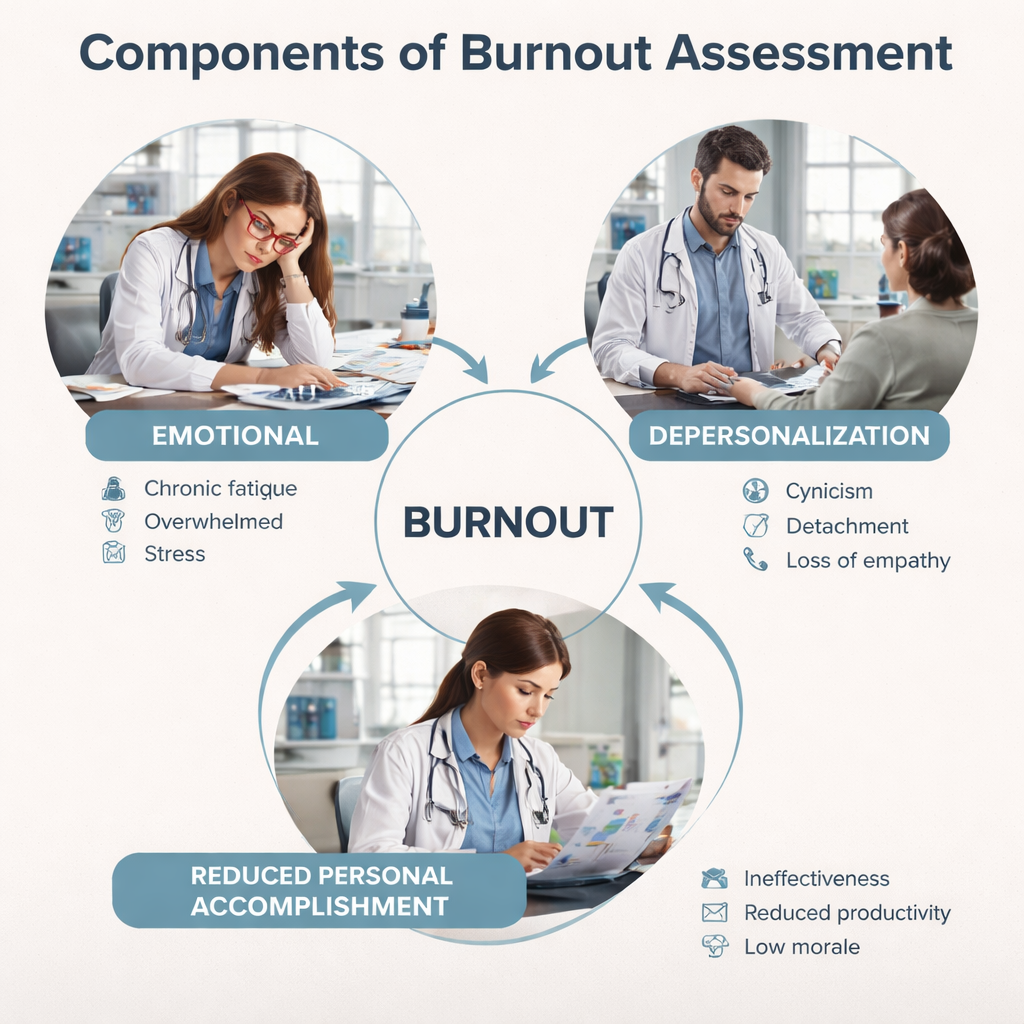
Healthcare professionals face burnout at alarming rates, yet many organizations lack proper tools to detect early warning signs. Creating an effective burnout self assessment questionnaire isn't just about asking if someone feels tired—it requires a systematic approach that captures the complex dimensions of emotional exhaustion, cynicism, and professional efficacy that define this serious workplace syndrome.
We examined five leading burnout self‑assessment questionnaires from a single authoritative source and discovered that the longer 22‑item Maslach inventories take the same 10‑minute average to complete as the shorter 16‑item General Survey—defying the assumption that fewer items mean faster administration.
Name | Items | Avg. Completion Time (min) | Target Population | Licensing | Best For | Source |
MBI-HSS (MP) | 22 | 10 | Medical Personnel | Requires MBI license to administer | Best for medical staff | mindgarden.com |
MBI-ES | 22 | 10 | Educators | Requires MBI license to administer | Best for educators | mindgarden.com |
MBI-GS | 16 | 10 | General use | Requires MBI license to administer | Best for general applicability | mindgarden.com |
Areas of Worklife Survey (AWS) | — | — | — | — | Best for organizational insight | mindgarden.com |
Maslach Burnout Toolkit | — | — | — | — | Best for resources & guidance | mindgarden.com |
Quick Verdict:The MBI‑HSS (MP) is the clear winner for clinicians serving medical personnel, offering a comprehensive 22‑item tool in just 10 minutes. If you work with educators, the MBI‑ES is the next best choice, while the MBI‑GS serves general audiences. Skip the AWS and Toolkit if you need concrete item counts or licensing clarity.
In this comprehensive guide, you'll learn how to design, validate, and implement a burnout self assessment questionnaire that accurately measures the three core dimensions of burnout while remaining practical for your specific population. Whether you're developing tools for healthcare workers, educators, or general professionals, these evidence-based strategies will help you create assessments that drive meaningful intervention and support.
Step 1: Understand the Core Components of Burnout Assessment
Before you write a single question for your burnout self assessment questionnaire, you need to understand what you're actually measuring. Burnout isn't just feeling tired after a long day—it's a specific psychological syndrome with three distinct dimensions that must be captured accurately.
The foundation of any effective burnout assessment rests on the three-factor model established by Christina Maslach and her colleagues. This model identifiesemotional exhaustionas the depletion of emotional resources,depersonalization(or cynicism) as negative attitudes toward work and clients, andreduced personal accomplishmentas feelings of inefficacy and lack of achievement.
Understanding these components helps you avoid common mistakes in questionnaire design. Many organizations create assessments that only measure stress or general fatigue, missing the crucial interpersonal and efficacy dimensions that distinguish burnout from other workplace issues. Your burnout self assessment questionnaire must capture all three factors to provide actionable insights.
When designing questions for each component, consider the specific context of your target population. Healthcare workers experience emotional exhaustion differently than educators or customer service representatives. The emotional demands of patient care create unique stressors that your questions must reflect accurately.
Research shows that emotional exhaustion typically emerges first, followed by depersonalization as a coping mechanism, and finally reduced personal accomplishment as the syndrome progresses. This sequential pattern means your assessment should be sensitive enough to detect early-stage burnout before it reaches critical levels.
The three dimensions don't always correlate perfectly. Someone might experience high emotional exhaustion but maintain strong feelings of personal accomplishment, or develop cynical attitudes without severe emotional depletion. Your burnout self assessment questionnaire needs to measure each dimension independently while recognizing their interconnected nature.
Consider including reverse-coded items to reduce response bias. For example, instead of only asking about negative feelings, include questions about positive aspects of work satisfaction and engagement. This approach provides a more balanced assessment and helps identify protective factors alongside risk areas.
The timeframe you specify in questions matters significantly. Asking about feelings "right now" captures momentary states, while "over the past month" provides a more stable picture of ongoing patterns. Most effective assessments focus on experiences over the past few weeks to several months, balancing recency with pattern recognition.
Understanding cultural and demographic factors is crucial for developing inclusive questions. Age, gender, cultural background, and professional experience all influence how people interpret and respond to burnout-related items. Your assessment should be tested across diverse groups to ensure validity for your intended population.
Professional burnout assessment tools like those used in compassion fatigue testing for healthcare workers demonstrate the importance of context-specific design. These specialized tools recognize that different helping professions face unique emotional challenges that require tailored assessment approaches.
Finally, remember that your burnout self assessment questionnaire serves multiple purposes beyond measurement. It should educate respondents about burnout symptoms, normalize their experiences, and provide a foundation for intervention planning. The assessment process itself can be therapeutic when designed thoughtfully.
Documentation of your theoretical framework is essential for validity. Clearly articulate which burnout model you're using, why you've chosen specific item formats, and how your questions map to each theoretical component. This foundation will guide every subsequent design decision.
Step 2: Design Questions That Measure Emotional Exhaustion
Emotional exhaustion forms the core of burnout syndrome, representing the depletion of emotional resources that occurs when job demands consistently exceed an individual's capacity to cope. Your burnout self assessment questionnaire must capture this dimension with precision, using questions that reflect the specific ways exhaustion manifests in your target population.
Start by examining validated instruments to understand effective question construction. The Maslach Burnout Inventory provides excellent examples of how to phrase emotional exhaustion items. Questions like "I feel emotionally drained from my work" and "I feel used up at the end of the workday" capture the essence of emotional depletion without being overly clinical or abstract.
Focus on observable behaviors and feelings rather than interpretations or judgments. Instead of asking "Do you think you're burned out?", ask specific questions about energy levels, sleep patterns, emotional responses to work situations, and physical symptoms of stress. This approach yields more reliable data and helps respondents recognize patterns they might otherwise dismiss.
Consider the temporal aspects of emotional exhaustion in your question design. Some people experience acute exhaustion after particularly challenging periods, while others develop chronic depletion over months or years. Include items that capture both immediate feelings ("I feel drained after difficult patient interactions") and ongoing patterns ("I consistently feel emotionally empty at work").
Physical manifestations of emotional exhaustion deserve special attention in your burnout self assessment questionnaire. Questions about headaches, sleep disturbances, appetite changes, and physical tension can reveal exhaustion that respondents might not consciously recognize as work-related. These somatic indicators often appear before psychological symptoms become apparent.
Workplace-specific triggers should inform your question development. Healthcare workers might experience emotional exhaustion from patient deaths or difficult family interactions, while educators might feel drained by classroom management challenges or administrative demands. Tailor your items to reflect the unique stressors of your target profession.
Response scaling requires careful consideration for emotional exhaustion items. Seven-point Likert scales (ranging from "never" to "every day") provide sufficient granularity to detect meaningful differences while remaining user-friendly. Avoid overly complex scaling that might confuse respondents or reduce completion rates.
Include reverse-coded items to balance negative focus and reduce response bias. Questions like "I feel energized by my work" or "I look forward to coming to work" provide counterpoints to exhaustion items and help identify protective factors that might buffer against burnout development.
The language you use in emotional exhaustion questions should be accessible to your target population without being overly simplistic. Avoid jargon or technical terms that might confuse respondents, but maintain sufficient specificity to capture meaningful distinctions between normal work stress and pathological exhaustion.
Cultural sensitivity is crucial when designing emotional exhaustion items. Different cultures have varying comfort levels with expressing emotional distress, and some populations might interpret exhaustion questions as admissions of weakness or inadequacy. Test your questions across diverse groups to ensure cultural validity and appropriateness.
Consider including items that assess the impact of emotional exhaustion on work performance and personal relationships. Questions about concentration difficulties, irritability with colleagues or family members, and reduced work quality help capture the broader consequences of emotional depletion beyond internal feelings.
Timing and frequency indicators strengthen emotional exhaustion measurement. Instead of simply asking if someone feels drained, inquire about how often these feelings occur, how long they last, and whether they persist outside of work hours. This temporal specificity helps distinguish temporary stress from chronic exhaustion patterns.
Validation of emotional exhaustion items requires careful attention to both content and construct validity. Subject matter experts should review questions for relevance and clarity, while statistical analysis should confirm that items load appropriately on the emotional exhaustion factor and correlate as expected with related measures.
Step 3: Include Depersonalization and Cynicism Indicators
Depersonalization represents the interpersonal dimension of burnout, manifesting as cynical attitudes, emotional detachment, and dehumanized perceptions of clients or colleagues. This component distinguishes burnout from simple exhaustion, making it essential for any comprehensive burnout self assessment questionnaire to measure these attitudes accurately.
Understanding the progression of depersonalization helps inform question design. What often begins as emotional self-protection—creating psychological distance from difficult situations—can evolve into pervasive cynicism that affects all professional relationships. Your assessment should capture this spectrum from adaptive coping to problematic detachment.
Effective depersonalization questions focus on attitudes and behaviors rather than asking directly about cynicism. Items like "I treat some clients as if they were impersonal objects" or "I don't really care what happens to some of the people I work with" reveal detachment patterns without requiring respondents to label themselves as cynical.
Professional context significantly influences how depersonalization manifests. Healthcare workers might develop callous attitudes toward patients, while teachers might become dismissive of students' needs. Service workers might view customers as burdens rather than people to help. Your burnout self assessment questionnaire must reflect these profession-specific expressions of detachment.
The relationship between emotional exhaustion and depersonalization requires careful consideration in question sequencing. While depersonalization often develops as a response to exhaustion, presenting these items together might create response bias. Consider distributing cynicism questions throughout your assessment rather than clustering them in one section.
Subtle indicators of depersonalization often prove more revealing than direct questions about negative attitudes. Ask about changes in communication patterns ("I find myself talking less with clients than I used to"), empathy levels ("I have become more callous toward people since taking this job"), or emotional investment ("I worry that this job is hardening me emotionally").
Behavioral manifestations of depersonalization provide concrete, observable indicators that complement attitudinal questions. Include items about avoiding certain clients, rushing through interactions, or feeling relieved when difficult people leave. These behaviors often occur before individuals recognize their own cynical attitudes.
The measurement of cynicism requires sensitivity to social desirability bias. People generally don't want to admit to callous attitudes, especially in helping professions where caring is a core value. Frame questions in ways that normalize these feelings as common responses to job stress rather than personal failings.
Organizational cynicism deserves separate attention from client-directed cynicism in your burnout self assessment questionnaire. Questions about trust in management, belief in organizational values, and confidence in institutional support capture systemic factors that contribute to depersonalization beyond individual client relationships.
Consider including items that assess the impact of depersonalization on work quality and professional relationships. Questions about teamwork difficulties, reduced collaboration, or conflicts with colleagues help identify the broader consequences of cynical attitudes in workplace settings.
The distinction between healthy professional boundaries and problematic depersonalization requires careful attention in question design. Effective questions should identify excessive detachment while recognizing that some emotional distance is necessary and adaptive in helping professions.
Response scaling for depersonalization items should allow for nuanced responses that capture the gradual development of cynical attitudes. Frequency-based scales ("never" to "very often") often work better than intensity scales for measuring these behavioral and attitudinal changes over time.
Validation of depersonalization measures requires attention to both discriminant and convergent validity. These items should correlate appropriately with emotional exhaustion while remaining distinct, and they should relate predictably to measures of empathy, job satisfaction, and interpersonal functioning.
Step 4: Evaluate Personal Accomplishment and Efficacy
Personal accomplishment represents the self-evaluation dimension of burnout, reflecting feelings of competence, achievement, and success in one's work with people. Unlike emotional exhaustion and depersonalization, reduced personal accomplishment involves the absence of positive feelings rather than the presence of negative ones, requiring different question design strategies for your burnout self assessment questionnaire.
The measurement of personal accomplishment presents unique challenges because it involves assessing what people feel they're NOT experiencing. Effective questions focus on confidence, effectiveness, positive impact, and professional growth rather than simply asking about satisfaction or happiness with work performance.
Professional efficacy questions should reflect the specific competencies valued in your target population. For healthcare workers, items might focus on patient care outcomes, clinical decision-making confidence, and ability to make a difference in patients' lives. For educators, questions might address teaching effectiveness, student engagement, and educational impact.
Consider the relationship between objective performance and subjective feelings of accomplishment when designing questions. Burnout can distort self-perception, leading competent professionals to feel ineffective despite maintaining good performance. Your assessment should capture these subjective experiences while acknowledging their potential disconnect from reality.
Achievement-oriented questions work best when they focus on meaningful outcomes rather than task completion. Instead of asking about finishing work on time, inquire about making meaningful contributions, solving important problems, or positively influencing others' lives. These deeper measures of accomplishment resist the cynicism that characterizes advanced burnout.
The temporal dimension of personal accomplishment requires attention in question design. Some people experience acute drops in efficacy feelings after specific failures or criticisms, while others develop chronic doubts about their professional value over time. Include items that capture both recent experiences and ongoing patterns of self-evaluation.
Professional growth and learning provide important indicators of personal accomplishment that your burnout self assessment questionnaire should address. Questions about skill development, knowledge acquisition, and career advancement reflect the forward-looking orientation that burnout tends to diminish.
Recognition and feedback from others significantly influence feelings of personal accomplishment. Include items about supervisor support, colleague appreciation, client gratitude, and formal recognition to capture external validation that contributes to professional efficacy.
The impact of personal accomplishment on motivation and engagement deserves measurement attention. Questions about enthusiasm for challenging projects, willingness to take on new responsibilities, and excitement about professional opportunities reveal how efficacy feelings influence work behavior.
Comparison processes often underlie personal accomplishment evaluations. People assess their effectiveness relative to colleagues, past performance, or professional standards. Consider including items that capture these comparative judgments while recognizing their potential for bias and distortion.
Professional identity and role clarity connect closely to personal accomplishment feelings. Questions about understanding one's professional purpose, clarity about job expectations, and alignment between personal values and work activities help identify factors that support or undermine efficacy perceptions.
The measurement of personal accomplishment should distinguish between different types of achievements. Task-related accomplishments (completing projects, meeting deadlines) differ from relational accomplishments (helping others, building connections) and personal accomplishments (learning new skills, overcoming challenges). Your assessment should capture this multifaceted nature of professional achievement.
Response scaling for personal accomplishment items requires careful consideration of the positive nature of this construct. Scales ranging from "strongly disagree" to "strongly agree" work well for positively worded items, while frequency scales ("never" to "very often") suit questions about achievement experiences.
Validation of personal accomplishment measures should demonstrate appropriate relationships with other burnout dimensions, job performance indicators, and measures of professional self-efficacy. These items should show negative correlations with emotional exhaustion and depersonalization while maintaining conceptual distinctiveness.
Step 5: Create an Effective Scoring System and Interpretation Guide
A well-designed scoring system transforms raw responses into meaningful insights that guide intervention decisions. Your burnout self assessment questionnaire's value depends not just on good questions, but on a scoring approach that accurately reflects burnout severity while remaining practical for users to understand and act upon.
The choice between continuous scores and categorical classifications significantly impacts how results are interpreted and used. Continuous scoring preserves the full range of individual differences and allows for tracking subtle changes over time, while categorical systems (low, moderate, high burnout) provide clearer guidance for intervention decisions but lose nuanced information.
Subscale scoring for each burnout dimension enables targeted intervention planning that addresses specific problem areas. Someone with high emotional exhaustion but strong personal accomplishment needs different support than someone with high depersonalization but adequate energy levels. Your scoring system should provide separate scores for each component while also offering an overall burnout indicator.
Norm-referenced scoring compares individual results to relevant comparison groups, providing context for interpretation. Healthcare worker scores should be compared to other healthcare workers rather than general populations. Develop profession-specific norms whenever possible, as burnout patterns vary significantly across occupational groups.
Consider implementing percentile rankings that show where an individual's score falls relative to others in similar roles. This approach helps people understand whether their experiences are typical or concerning within their professional context, reducing both unnecessary alarm and dangerous minimization of serious symptoms.
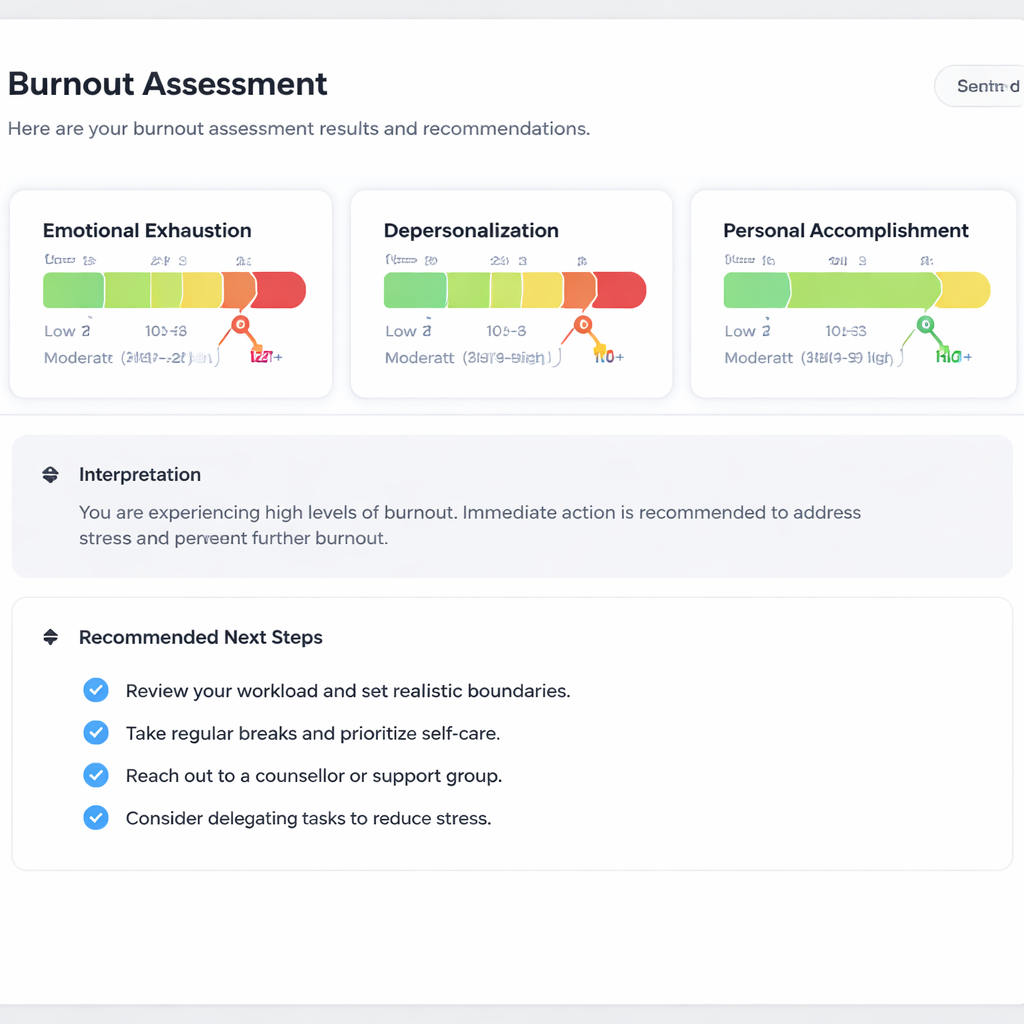
Risk stratification systems categorize results into action-oriented levels such as "low risk," "moderate concern," and "immediate attention needed." Each category should include specific recommendations for self-care, professional support, or organizational intervention, making the assessment results immediately actionable.
Profile analysis examines patterns across burnout dimensions rather than focusing solely on total scores. High emotional exhaustion combined with low depersonalization suggests different intervention needs than moderate scores across all dimensions. Your scoring system should highlight these meaningful patterns for users and support providers.
Cut-point determination requires careful validation to ensure that score categories accurately reflect clinically meaningful differences in burnout severity. Use receiver operating characteristic (ROC) analysis or similar statistical methods to identify optimal thresholds that balance sensitivity and specificity for detecting significant burnout.
Interpretation guidelines should translate scores into clear, jargon-free language that helps users understand their results without requiring statistical expertise. Avoid terms like "standard deviations" or "T-scores" in favor of descriptive language that connects scores to real-world experiences and consequences.
The presentation format significantly influences how people interpret and respond to their results. Visual displays using colors, charts, or graphs can make complex information more accessible, but ensure that visual elements enhance rather than obscure the core message about burnout risk and recommended actions.
Temporal considerations in scoring help distinguish between temporary stress responses and chronic burnout patterns. Consider including questions about symptom duration and persistence, then weight scores accordingly to reflect the chronic nature of true burnout syndrome versus acute stress reactions.
Contextual factors should inform score interpretation guidelines. High-stress periods, major life changes, or organizational transitions might temporarily elevate burnout scores without indicating chronic problems. Provide guidance for interpreting results within relevant situational contexts.
Quality indicators help users and administrators evaluate the reliability of assessment results. Include measures of response consistency, completion time, and engagement level to identify potentially invalid results that should be interpreted with caution or readministered.
Follow-up recommendations should be specific and actionable for each score range. Instead of generic advice to "reduce stress," provide concrete suggestions for stress management techniques, professional resources, or organizational supports that address the specific burnout patterns identified by the assessment.
Score Range | Burnout Level | Interpretation | Recommended Actions |
0-25 | Low Risk | Minimal burnout symptoms; good professional wellbeing | Maintain current coping strategies; focus on prevention |
26-50 | Moderate Concern | Some burnout symptoms present; early intervention beneficial | Implement stress management; seek peer support; monitor closely |
51-75 | High Risk | Significant burnout symptoms affecting work and wellbeing | Professional consultation; workload assessment; active intervention |
76-100 | Critical Level | Severe burnout requiring immediate attention | Immediate professional help; consider leave; comprehensive support |
Regular score monitoring enables tracking of changes over time and evaluation of intervention effectiveness. Design your scoring system to facilitate longitudinal analysis, allowing users and organizations to assess progress and adjust support strategies based on evolving burnout patterns.
Step 6: Implement and Test Your Assessment Tool
Implementation transforms your carefully designed burnout self assessment questionnaire from a theoretical tool into a practical instrument that generates reliable, valid data. This phase requires systematic testing, refinement, and validation to ensure your assessment performs effectively across diverse users and settings.
Pilot testing with small groups provides essential feedback before full deployment. Select participants who represent your target population and administer the assessment under realistic conditions. Collect both quantitative data (completion rates, response patterns, score distributions) and qualitative feedback (clarity, relevance, user experience) to identify areas needing improvement.
Cognitive interviewing reveals how people interpret and respond to your questions. Ask pilot participants to think aloud while completing the assessment, explaining their reasoning for each response. This process uncovers ambiguous wording, confusing instructions, or unintended interpretations that could compromise data quality.
Technical implementation requires careful attention to user interface design, data security, and accessibility standards. Whether using paper forms or digital platforms, ensure that the assessment experience is smooth, professional, and inclusive for users with varying technical skills and abilities.
Response rate optimization involves minimizing barriers to completion while maintaining data quality. Test different introduction methods, reminder strategies, and incentive approaches to identify what works best for your target population. Track completion rates by demographic groups to identify potential participation disparities.
Data quality monitoring should begin immediately upon implementation. Establish procedures for identifying incomplete responses, inconsistent answer patterns, or other indicators of poor data quality. Develop clear criteria for including or excluding responses from analysis to maintain the integrity of your results.
Psychometric validation provides essential evidence for the reliability and validity of your burnout self assessment questionnaire. Conduct factor analysis to confirm that items load appropriately on expected dimensions, calculate internal consistency coefficients for each subscale, and examine convergent and discriminant validity with related measures.
Test-retest reliability assessment involves administering the same assessment to the same participants at two time points to evaluate score stability. Choose an appropriate interval (typically 2-4 weeks) that balances the need for temporal stability with the reality that burnout can change over time.
Cross-validation with external criteria strengthens confidence in your assessment's practical utility. Compare scores with supervisor ratings, performance indicators, absenteeism rates, or other objective measures of workplace functioning to demonstrate that your tool predicts meaningful outcomes.
Demographic analysis examines whether your assessment performs equally well across different groups. Test for measurement invariance across gender, age, ethnicity, and professional experience to ensure that score differences reflect true burnout variations rather than assessment bias.
User feedback collection should continue throughout implementation to identify ongoing improvement opportunities. Establish systematic procedures for gathering input from assessment users, administrators, and stakeholders about the tool's utility, clarity, and impact on workplace wellbeing initiatives.
Training and support materials help ensure consistent, appropriate use of your burnout self assessment questionnaire. Develop clear guidelines for administration, interpretation, and follow-up actions. Provide training for supervisors, HR personnel, or other staff members who will use assessment results to guide intervention decisions.
Quality assurance procedures maintain assessment integrity over time. Establish regular reviews of data patterns, user feedback, and outcome indicators to identify potential problems or improvement opportunities. Plan for periodic updates based on new research findings or changing workplace conditions.
Integration with existing systems maximizes the practical value of your assessment. Consider how results will connect with employee assistance programs, performance management systems, or organizational wellness initiatives. Seamless integration increases the likelihood that assessment insights will translate into meaningful support for affected individuals.
Documentation and reporting standards ensure that assessment results are communicated clearly and used appropriately. Develop templates for individual feedback reports, aggregate summaries for organizational leaders, and research reports for academic or professional audiences interested in your findings.
Continuous improvement processes keep your burnout self assessment questionnaire current and effective. Establish procedures for incorporating new research findings, addressing user feedback, and adapting to changing workplace conditions. Regular updates maintain the tool's relevance and effectiveness over time.
Frequently Asked Questions
How long should a burnout self assessment questionnaire take to complete?
Most effective burnout self assessment questionnaires take between 10-15 minutes to complete. This timeframe allows for comprehensive measurement of all three burnout dimensions while respecting busy professionals' time constraints. Research shows that assessments taking longer than 20 minutes experience significantly higher dropout rates, particularly among healthcare workers and other high-stress professionals. The key is balancing thoroughness with practicality—include enough items to ensure reliable measurement while eliminating redundancy that extends completion time unnecessarily.
What's the difference between burnout assessment and general stress measurement?
Burnout assessment specifically measures three distinct dimensions: emotional exhaustion, depersonalization, and reduced personal accomplishment, while general stress measures focus on pressure, tension, and anxiety without these specific components. A burnout self assessment questionnaire captures the chronic nature of workplace syndrome that develops over time, whereas stress measures often reflect immediate or short-term responses to challenging situations. Burnout assessments also emphasize the interpersonal aspects of work relationships and professional efficacy, which general stress measures typically don't address comprehensively.
How often should organizations administer burnout assessments?
Organizations should conduct burnout assessments quarterly or semi-annually for routine monitoring, with additional assessments during high-stress periods or organizational changes. Regular assessment allows for early detection of developing problems and tracking of intervention effectiveness over time. However, avoid over-surveying, which can create assessment fatigue and reduce response quality. The frequency should balance the need for current data with respect for employees' time and the chronic nature of burnout, which typically develops gradually rather than changing rapidly from week to week.
Can a burnout self assessment questionnaire be used for diagnosis?
No, burnout self assessment questionnaires are screening and monitoring tools, not diagnostic instruments. While they can identify individuals at risk for burnout and track symptom severity over time, formal diagnosis requires clinical evaluation by qualified mental health professionals. These assessments serve as valuable first steps in recognizing problems and guiding individuals toward appropriate resources and support. Organizations should clearly communicate that assessment results indicate risk levels rather than clinical diagnoses and provide pathways to professional help when scores suggest significant problems.
What response rate should I expect for workplace burnout assessments?
Well-implemented burnout self assessment questionnaires typically achieve response rates between 60-80% in organizational settings. Factors influencing participation include leadership support, clear communication about confidentiality, perceived relevance to participants' experiences, and follow-through on promised actions based on results. Healthcare organizations often see slightly lower rates (50-70%) due to time pressures and shift work challenges. To maximize participation, emphasize the assessment's value for individual wellbeing, ensure anonymity or confidentiality as appropriate, and demonstrate organizational commitment to addressing identified problems.
How do I ensure confidentiality while still providing organizational insights?
Maintain confidentiality by aggregating individual burnout self assessment questionnaire results into group-level reports that don't identify specific individuals. Establish minimum group sizes (typically 5-10 people) before reporting departmental or unit-level data to prevent identification of individuals through small group analysis. Use secure data collection and storage systems that separate identifying information from responses. Clearly communicate your confidentiality policies to participants and honor commitments about data use. Consider using third-party administration when internal confidentiality concerns might reduce participation or response honesty.
What should organizations do with high burnout assessment scores?
Organizations should respond to high burnout scores with immediate individual support and systematic analysis of contributing factors. Provide access to employee assistance programs, mental health resources, and workload assessment for individuals with concerning scores. Simultaneously, examine organizational factors such as staffing levels, work processes, and support systems that might contribute to widespread burnout. Effective responses combine individual interventions with systemic changes to address root causes. Develop clear protocols for score interpretation and response that ensure consistent, appropriate action while respecting individual privacy and choice in seeking help.
How can I validate my custom burnout assessment tool?
Validate your custom burnout self assessment questionnaire through systematic psychometric testing including factor analysis, reliability assessment, and criterion validation. Start with content validity by having subject matter experts review items for relevance and clarity. Conduct pilot testing with your target population to examine item performance and internal consistency. Compare your tool's results with established measures like the Maslach Burnout Inventory to demonstrate convergent validity. Test with diverse demographic groups to ensure measurement equivalence across populations. Document all validation procedures and results to support the tool's credibility and appropriate use in your specific context.
Conclusion
Creating an effective burnout self assessment questionnaire requires careful attention to theoretical foundations, question design, scoring systems, and implementation strategies. The three-dimensional model of burnout—encompassing emotional exhaustion, depersonalization, and reduced personal accomplishment—provides the essential framework for developing assessments that capture the full complexity of this workplace syndrome.
Your success in developing a meaningful assessment tool depends on understanding your target population's specific needs and challenges. Healthcare workers face different stressors than educators or customer service representatives, and your questions must reflect these contextual differences while maintaining theoretical fidelity to established burnout models.
The implementation and validation phase transforms your carefully designed instrument into a reliable, practical tool that generates actionable insights. Systematic testing, user feedback, and psychometric validation ensure that your burnout self assessment questionnaire performs effectively across diverse users and settings while maintaining the highest standards of scientific rigor.
Remember that assessment is only the first step in addressing workplace burnout. The most sophisticated questionnaire provides little value without clear interpretation guidelines, appropriate follow-up resources, and organizational commitment to acting on identified problems. Your assessment should serve as a bridge between problem recognition and meaningful intervention.
As you move forward with developing or refining your burnout assessment approach, consider exploring comprehensive wellbeing frameworks that address the multiple factors contributing to professional resilience and satisfaction. Understanding moral injury in healthcare settings can complement your burnout assessment efforts by addressing ethical distress that often accompanies emotional exhaustion.
The investment in creating a high-quality burnout self assessment questionnaire pays dividends through improved early detection, targeted intervention, and enhanced workplace wellbeing. Your commitment to evidence-based assessment design contributes not only to your organization's success but to the broader effort to support professional wellbeing across all helping professions.
Take the next step in supporting your team's wellbeing by implementing the strategies outlined in this guide. Whether you're adapting existing tools or developing custom assessments, the principles of comprehensive measurement, clear interpretation, and systematic implementation will help you create meaningful change in your workplace culture and professional satisfaction.


Comments