

Burnout Risk Calculator for Physicians Free: A Step‑by‑Step Guide
- Patricia Maris

- 1 day ago
- 8 min read

Physician burnout can creep up before you even notice the signs.
That’s why a free burnout risk calculator for physicians is a helpful tool, except we won’t call it that. It lets you see hidden stress patterns in just a few minutes, so you can act before fatigue turns into a crisis. You don’t need a pricey software subscription to get a clear view of your burnout risk.
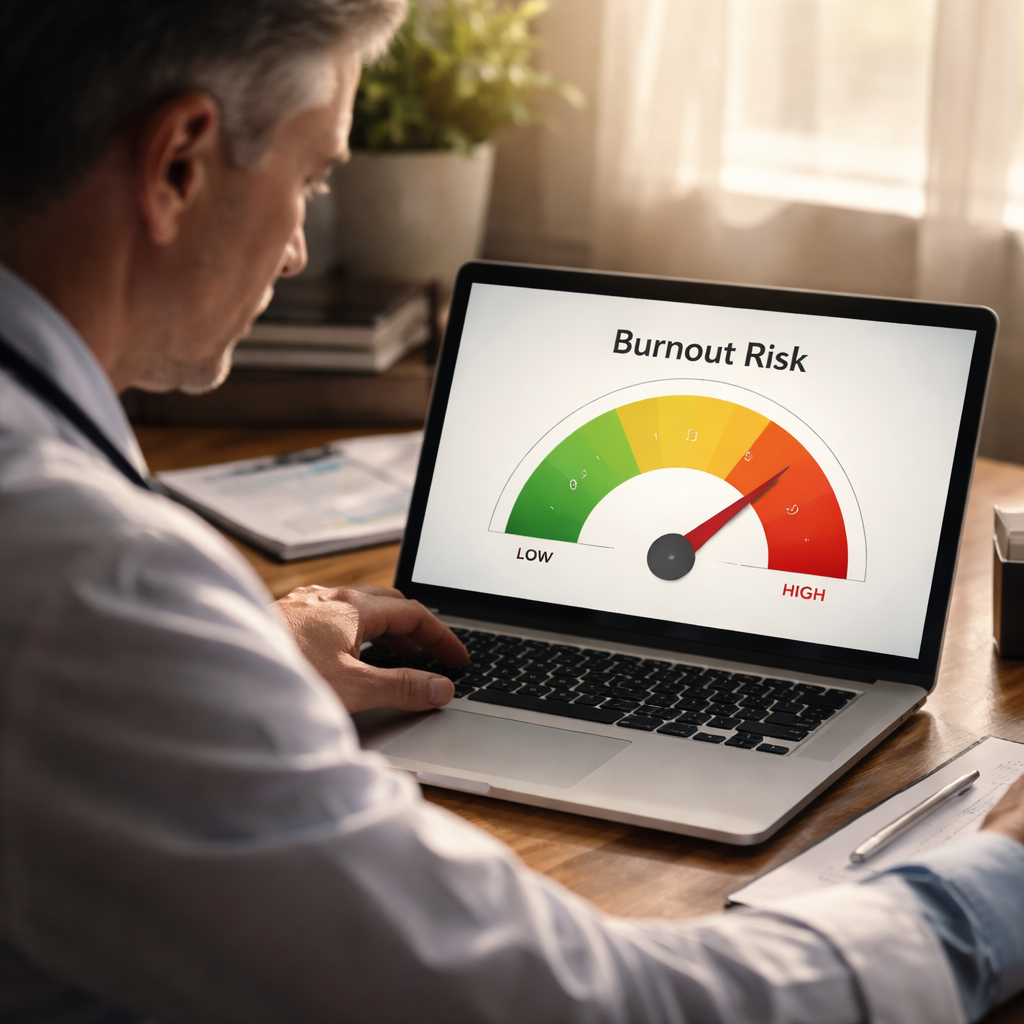
Imagine you’re wrapping up a long shift and you click a short online survey. The tool scores your workload, sleep, and emotional load, then shows a simple risk gauge. If the gauge lights up, you know it’s time to tweak your schedule or grab a quick resilience tip.
Here’s what you can do right now: 1) Find a reputable free calculator. 2) Answer every question honestly – the more real your answers, the clearer the picture. 3) Review the risk level and note one small change you can make this week, like adding a five‑minute breathing break between patients.
Our own platform walks you through those steps, and you can learn how to interpret the results in detail with How to Use a Physician Burnout Risk Calculator. The guide breaks down each score and offers templates you can copy into your own practice.
For a completely different kind of planning help, check out Your Complete Guide to Photo Booth Rental San Diego. It shows how to pick the right equipment and budget, a useful reminder that good tools make any job easier.
Step 1: Assess Your Current Burnout Indicators
Before you can fix anything, you need to see where you stand. Burnout shows up in tiny habits – how often you skip meals, how many nights you feel wiped out, or how quickly you get irritated.
Grab a piece of paper or open a notes app and check these three areas:
Workload: How many patients do you see each day? Do you feel rushed?
Sleep: How many hours do you actually rest? Do you wake up feeling rested?
Emotions: Do you feel detached, angry, or empty after a shift?
Once you have a feel for each spot, head to a free burnout risk calculator for physicians free. It asks simple questions and gives you a risk gauge. The guide how to use a physician burnout risk calculator walks you through every step, so you won’t get stuck.
Watch the short video below for a quick walk‑through of the calculator. It shows where to click and how to read the gauge.
After you see your score, note the highest‑risk area. If the gauge lights up for sleep, plan a five‑minute breathing break before bed. If workload spikes, schedule a 10‑minute pause between patients to stretch.
Take one small action this week based on your top score. A tiny habit can stop a big burnout flare‑up before it starts.
Step 2: Enter Your Data into the Free Calculator
Now the screen is in front of you. It’s just a simple form, not a maze. Open the calculator on a quiet device – a tablet works well if you’re still in a break room.
First, pull out a pen or open a note app. Write down the exact numbers the calculator asks for: hours you worked last week, average sleep hours, how many patients left you feeling drained. Don’t guess. The more real your answers, the sharper the risk gauge will be.
Next, type each answer straight into the fields. If a question feels vague, pause and think of the last shift you did. For example, “emotional load” could be rated on a 1‑5 scale – pick the number that feels closest.
When you hit submit, the tool instantly shows a colour‑coded gauge. Green means low risk, amber signals warning, red flags high risk. Take a quick look – what stands out? Is the sleep score low? Is workload high?
Here’s a quick way to capture the result: screenshot the gauge, then add a short note like “Sleep: 4 hrs, Risk: Amber”. Save it in a folder called “Burnout Tracker”. You’ll be able to compare it later.
Tip: set a calendar reminder for two weeks from now. When the reminder pops up, repeat the same steps and note any shift in the gauge. Small changes add up.
Need a deeper dive on what the scores mean? Check out Understanding the Maslach Burnout Inventory for a plain‑language walk‑through of each dimension.
And if you’re curious about how a planning checklist can make a routine feel easier, you can explore Photo Booth Rental Murrieta: A Complete Guide for 2026 Events. It’s a different topic, but the idea of a step‑by‑step list works the same way.
Finally, for a quick look at event‑style organization that mirrors a wellness plan, see How to Choose the Perfect Wedding Photo Booth Rental: A Step‑by‑Step Guide. The structured approach can inspire how you set up your own burnout‑reduction actions.
Step 3: Interpret the Results and Identify Risk Levels
When the gauge flashes green, amber or red, you’ve got a clear signal. Green means you’re in a low‑risk zone, amber warns you to watch a few habits, and red tells you to act now.
First, write down what each colour means for you. A quick table can help:
Green: keep your routine, maybe add a tiny habit.
Amber: pick one area to improve – sleep, workload, or emotional load.
Red: set a short‑term plan, reach out for support, and track daily changes.
Next, match the numbers to real actions. If your sleep score is 3 hrs and the gauge reads amber, try a 5‑minute breathing break before each patient. If workload scores high and the gauge hits red, look at delegating a task or adjusting shift length.
Here’s a tiny scenario: imagine a surgeon who sees a red risk on emotional load. They decide to log a brief gratitude note after each operation. After two weeks, the gauge shifts to amber. That small tweak shows the tool works.
Tip: compare the new gauge to the screenshot you saved earlier. Spot any movement? Even a one‑point shift can signal progress.
For a deeper dive on how to read each dimension, check out Mini Z burnout survey guide. It breaks down the score ranges with plain language.
When you spot a red or amber reading, set a calendar reminder for the next check‑in. Add a brief note like “Sleep: 5 hrs, Risk: Amber – added night‑time walk”. Over time you’ll see patterns and know which habit moves the needle.
Need a quick, unrelated example of how a step‑by‑step list can simplify planning? Look at the Everything You Need to Know About 360 Video Booth Rental guide – it shows how a clear checklist makes any project feel doable.
Keep the gauge in view, act on the colour, and watch the risk level drop.
Step 4: Create an Action Plan Using the Calculator’s Recommendations
Now you have a colour‑coded score from the burnout risk calculator for physicians free. The next move is to turn that reading into a simple plan you can follow.
Start by writing down the three things the gauge is pointing at, for example sleep, workload, or emotional load. Keep the list short; three items are easy to track.
Pick one tiny habit for each item. If sleep is amber, add a 5‑minute wind‑down routine before bed. If workload is red, see if you can shift one non‑critical task to a teammate. If emotional load is high, try a quick gratitude note after each patient.
Set a clear deadline. Write “Add wind‑down by Friday” and put it on your phone reminder. When the deadline hits, note the new gauge reading. Small wins add up fast.
Use a checklist
Turn the three habits into a checklist you can tick each day. A checklist keeps you honest and shows you when a habit is slipping.
Need a quick guide on making a checklist? Check out how to use a physician burnout risk calculator for a template you can copy.
Risk Level | Action | Tip |
Green | Keep routine, add a micro‑habit | Try a 2‑minute breathing pause |
Amber | Pick one area to improve | Adjust sleep time by 30 min |
Red | Create a short‑term plan and ask for help | Set a peer check‑in each shift |
Review your checklist every two weeks. If the gauge moves toward green, celebrate the shift. If it stays the same, tweak the habit, maybe a longer walk or a different time slot.
Remember, the plan is yours. Keep it simple, keep it visible, and let the colour guide your next step.
Conclusion
Using a free burnout risk calculator gives you a quick snapshot of where you stand and shows you one small tweak to try.
Pick the colour on the gauge, write a tiny habit, and lock it into your calendar. When the reminder pops, run the calculator again and note any shift.
If the gauge moves down, keep the habit. If it stays the same, adjust, maybe add a five‑minute walk or swap a coffee break for a hydration pause.
Remember, consistency beats big changes. A few minutes each day add up to steadier focus and less fatigue.
For the latest data on physician burnout risk, check out Physician Burnout Statistics 2024 and keep refining your plan.
You can also download a simple tracking template from our site, paste it into a notes app, and tick off each habit as you go. Seeing the checkmarks build up can boost motivation.
FAQ
What is a burnout risk calculator for physicians free and how does it work?
It’s a short online form you can fill in after a shift. You answer questions about sleep, workload, and how you feel. The tool adds up the numbers and shows a colour‑coded gauge – green, amber, or red. Green means low risk, amber warns you, red tells you to act now. All it needs is honest answers, no cost, and a few minutes.
How often should I use the free calculator?
Try it every two weeks or whenever you notice a change in mood. A regular check‑in lets you see if a new habit is moving the gauge down. If you work night shifts, you might run it after a busy week and again after a lighter one. The key is consistency, not a big push. Stick to the same day of the week so you can compare apples to apples. That way you spot trends faster.
What kind of data does the calculator ask for?
It asks for simple facts: hours you worked last week, average sleep hours, how many patients left you feeling drained, and a quick rating of emotional load on a 1‑5 scale. You don’t need lab results or medical records. Just the day‑to‑day numbers that you already know. Write them down in a notebook or a phone note so you can copy them into the form without pausing.
Can the calculator replace a professional assessment?
No. It gives you a snapshot, not a full diagnosis. Think of it as a warning light on a car. It can tell you when to talk to a mentor, a coach, or a mental‑health pro. Use it to start a conversation, not to end one. A professional assessment will look at deeper factors like personal history, workplace culture, and coping skills. So treat the calculator as a first step, not the whole road.
What should I do after I get a high risk score?
First, note the colour that lit up. Pick one tiny habit that matches the risk – maybe a five‑minute breathing break if emotional load is high. Write the habit down, set a reminder, and run the calculator again in two weeks. If the gauge moves lower, keep the habit; if not, try a different tiny tweak. Track the change in a simple notebook so you can see progress over time.
Is my information kept private when I use a free tool?
Reputable free calculators do not store personal names or patient details. They usually keep the data on your device or delete it after the session. Look for a privacy note on the page. If you’re not sure, avoid entering any identifying info and treat the answers as a personal log. That way you stay safe and still get a clear view of your burnout risk.


Comments