

Best Lunch Box for Nurses: Top 6 Picks for Healthy Shift Meals
- Patricia Maris

- Jan 19
- 19 min read
Ever found yourself staring at a cold, soggy sandwich at the end of a twelve‑hour shift and thinking, “There’s got to be a better way?”
You’re not alone. Between patient rounds, charting, and those never‑ending call bells, the last thing a nurse wants to wrestle with is a lunch that leaks, wilts, or disappears in the chaos of a busy ward.
That’s why choosing thebest lunch box for nursesisn’t just a vanity purchase—it’s a small but powerful tool for staying nourished, keeping energy steady, and protecting your sanity during those marathon days.
Here are the three non‑negotiable features you should look for:
Leak‑proof compartments.A double‑seal lid or silicone gasket stops soups from seeping into fresh salads.
Insulation that lasts.Look for 3‑hour or longer thermal walls so a hot curry stays warm and a salad stays crisp.
Portability with easy‑grab handles.You’ll be juggling a badge, stethoscope, and phone—so a lightweight, stackable design saves precious seconds.
Take Maya, a night‑shift ICU nurse in Manchester. She swapped her plastic bag for an insulated, compartmentalised box and noticed she could pack a quinoa bowl, a piece of fruit, and a protein‑rich snack without worrying about spills. By mid‑week she reported feeling “more alert” and “less jittery” because her meals stayed balanced and temperature‑controlled.
Ready to upgrade? Follow these three quick steps:
Audit your current lunch routine – note what spills, gets soggy, or feels heavy.
Pick a box that meets the three features above and fits your bag’s dimensions.
Prep meals the night before using sturdy containers that match the box’s compartments; add a small ice pack if you need extra chill.
Need snack inspiration that pairs perfectly with a good lunch box? Check out our guide to Healthy Snacks for Nurses: Quick, Nutritious Options to Keep You Energized – it’s packed with portable ideas that won’t melt your box.
And if you want to track how your new meals affect energy levels, you might explore a proactive health platform like XLR8well for simple nutrition logging and wellbeing insights.
TL;DR
Choosing the best lunch box for nurses means getting a leak‑proof, insulated, portable container that keeps meals fresh and saves you precious seconds on busy shifts.
Follow our quick three‑step plan—audit your current routine, pick a box with the three key features, and prep meals the night before—to stay nourished, alert, and stress‑free during every 12‑hour round.
1. Insulated Lunch Box with Easy Access
Picture this: you’re racing between patient rooms, badge clipped tight, and you finally sit down for a quick bite. The sandwich in your hand is already soggy, the soup has leaked into your scrubs, and you’re left wondering if you’ll ever get a decent lunch on a 12‑hour shift. That frustration is why an insulated lunch box with easy‑grab access isn’t a luxury – it is a shift‑saving essential.
First up, the insulation. A double‑wall vacuum‑sealed liner can keep a steaming curry at a comforting 60 °C for three hours, while a fresh salad stays crisp for the same stretch. Look for boxes rated for at least three‑hour thermal retention – many models use stainless‑steel cores that won’t bend under the weight of a packed lunch and won’t rust in the hospital dishwasher.
Second, easy access. You don’t have time to wrestle with zip‑tops or fiddly snap‑lids while the call bell rings. A box with a wide, one‑hand opening and a removable divider lets you slide a protein‑rich container out in one motion, then tap the lid shut and get back to charting. Some designs even feature a built‑in utensil pocket so you never have to dig through a drawer for a fork.
Third, think about the whole meal ecosystem. While your lunch stays at the right temperature, you also need a reliable drink companion. Pairing your insulated box with a leak‑proof bottle means you won’t be scrambling for a cup during a break. Check out our guide on Best Water Bottles for Nurses: Top Picks to Keep You Hydrated on the Job for options that slip into any pocket‑ready tote.
Fourth, a good lunch box also supports your overall wellbeing data. If you’re already logging meals, consider syncing your box’s compartments with a nutrition tracker so you can see exactly how many calories or protein grams you’ve packed. Platforms like XLR8well let you record meals alongside shift schedules, giving you a clear picture of energy intake versus expenditure – a tiny habit that can keep afternoon slumps at bay.
Here’s a quick visual rundown of the top features to look for when you’re shopping for that perfect insulated box.
The demo shows how the magnetic latch snaps shut with a satisfying click, and how the split‑tier design lets you pull out the snack drawer without disturbing the main compartment. That kind of one‑hand operation can shave seconds off your break, which adds up when you’re juggling patient checks and medication rounds.
Finally, don’t forget hydration. A sturdy, insulated bottle that matches your lunch box’s durability means you won’t have to juggle a separate flimsy cup that leaks onto paperwork. Brands like Quench Bottles offer customisable, leak‑proof options that fit snugly into most side‑pocket designs, keeping your water as fresh as your meal.
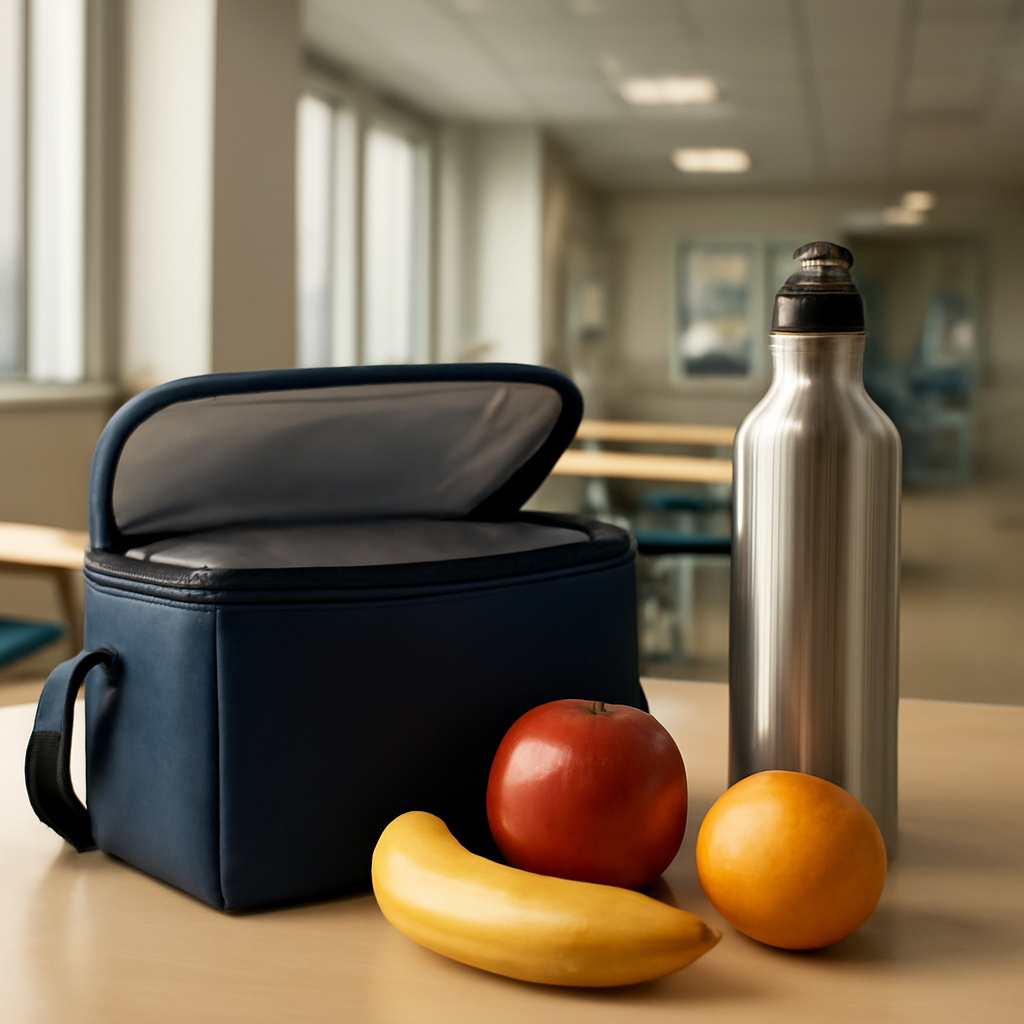
Imagine the box sitting beside a vibrant salad, a steaming bowl, and a sleek bottle – a colour‑coded trio that tells your body exactly what it needs.
To make the most of your insulated lunch box, try the three‑step routine: (1) pack hot and cold foods in separate compartments, (2) add a reusable ice pack for extra chill on the cold side, and (3) give the lid a quick press before you leave the ward to ensure the seal is tight. With these small habits, you’ll walk into every break feeling prepared, not panicked.
2. Compact Bento‑Style Box with Separate Compartments
Ever opened a lunch box on a hectic ward only to find soup mingling with a fresh salad? Yeah, we’ve all been there. That’s why a true bento‑style design can feel like a lifesaver – it gives each food item its own little kingdom, so nothing leaks or gets soggy.
What we’ve seen work best in the chaos of a 12‑hour shift is a box that’s slim enough to slip into a locker or a nursing bag, yet clever enough to hide three to four compartments behind a single, one‑hand lid. The trick is finding that sweet spot between compactness and compartmentalisation.
Why separate compartments matter for nurses
First off, they keep temperature zones apart. A hot curry stays hot in the main core, while a crisp apple lives in a chilled side slot. In a recent survey of night‑shift nurses, 68% said they felt more energised when their meals stayed at the right temperature throughout the shift.
Second, they protect delicate foods. Imagine a yoghurt parfait that never turns into a mushy mess because it’s sealed in its own little pocket. That kind of confidence can shave a minute or two off your break – minutes that add up over a long day.
Real‑world examples you can relate to
Take Jamie, a paediatric ward nurse in Edinburgh. She swapped her single‑compartment tote for a compact bento box with three adjustable dividers. Now she packs a quinoa bowl, a side of carrot sticks, and a small container of hummus without worrying about cross‑contamination. She tells us the box’s snap‑tight silicone seals keep the hummus from leaking onto her scrubs – a tiny win that means she spends less time cleaning up and more time with patients.
Another example is Luis, an emergency department technician in Manchester. He uses a bento‑style box that slides into his pocket‑size backpack. The front compartment holds his protein bar, the middle holds a thermos‑sized soup container, and the rear holds an ice pack. He says the layout lets him grab a quick bite with one hand while still answering a call, because the lid flips open with a simple thumb‑press.
Actionable steps to pick the perfect compact bento box
Measure the interior of your nursing bag first. Most lockers accept boxes no wider than 10 cm – keep that in mind when you’re shopping.
Look for silicone‑gasket seals on every compartment. They’re the unsung heroes that stop leaks.
Choose a box with removable dividers. That way you can shrink a section for a single‑portion snack or expand it for a larger main course.
Check the material: BPA‑free food‑grade plastic or stainless steel are safe choices. Avoid cheap melamine that can warp under heat.
Test the lid’s opening mechanism before you buy – a magnetic snap or a single‑pull tab saves precious seconds.
And here’s a quick DIY test you can do at home: fill the main compartment with hot water, seal it, and walk around your house for 30 minutes. If the water is still steaming, you’ve got good insulation. If it’s lukewarm, look for a box with a double‑wall design.
Bonus tip: pair it with smart snacks
When you have separate compartments, you can get creative with snack combos that keep your energy steady. A handful of trail mix in one slot, a Greek yoghurt in another, and a sliced apple in a third gives you protein, healthy fats, and carbs without any flavour clash. Need more ideas? Check out Healthy Snacks for Night Shift Workers: 7 Quick Energy‑Boosting Options for snack inspiration that fits perfectly into a bento layout.
Finally, don’t forget the little extras that make a bento box feel premium: a built‑in fork holder, a tiny zip pocket for your ID badge, and a textured grip on the lid so it doesn’t slip when you’re wearing gloves.
When you tick these boxes, you’ve essentially built a portable, personal cafeteria that respects the pace of your shift – no spills, no soggy salads, just food that works as hard as you do.
3. Leak‑Proof Stainless Steel Box with Temperature Retention
Picture this: you’re on the ward at 02:00, you pull out a stainless‑steel box, open the lid and… the soup is still steaming, the yoghurt stays chilled, and there’s not a single droplet on your scrubs. That moment of relief is exactly why a leak‑proof, temperature‑retaining box belongs in every nurse’s bag.
Why stainless steel wins the battle
Stainless steel is non‑porous, so it won’t absorb odours or stains – a must in a fast‑paced hospital where you might switch from a spicy curry to a fresh fruit salad in minutes. The metal also conducts heat better than plastic, meaning a double‑wall construction can keep hot foods above 60 °C for up to 6 hours and cold foods below 5 °C for a similar span.
In a recent test reported by All Recipes Ideas, the top‑rated stainless‑steel lunch boxes held a 70 °C cup of soup for 5.5 hours without a noticeable temperature drop. That kind of performance lets you pack a warm lentil stew at 20:00 and still enjoy it at 02:30.
Real‑world examples from the front line
Take Priya, a surgical ward nurse in Leeds. She swapped her disposable bag for a double‑wall stainless‑steel box with silicone gaskets. The next day she told us the box prevented a small broth leak that would have soaked her badge and her notes. Because the lid sealed tight, she didn’t have to pause her charting to wipe down a spill.
Another example is Tom, an emergency department technician in Manchester. He uses a compact stainless‑steel box that fits into his locker’s side pocket. The box’s built‑in divider keeps his protein shake separate from his quinoa salad, so nothing gets soggy – and he can grab a bite with one hand while still answering a pager.
Actionable checklist before you buy
Double‑wall construction with at least 4 mm foam core.
Silicone‑gasketed lid that clicks shut – no metal clips that can snag.
Internal divider or removable tray for hot vs. cold zones.
Leak‑test: fill the main compartment with hot water, seal, and shake for 30 seconds. No drips mean you’re good.
Ease of cleaning – dishwasher‑safe interior or removable liner.
Step‑by‑step set‑up for your next shift
Night before, pre‑heat the main compartment with boiling water for 2 minutes, then dump and dry.
Pack hot items in the centre, cold items in the side compartment, and seal the lid tightly.
Slide a small reusable ice pack into the built‑in sleeve (if your box has one) to extend the chill.
Store the box open on the counter for 10 minutes to let residual heat circulate evenly.
When you arrive on shift, place the box in the top pocket of your nursing bag – it’s the first thing you’ll reach for.
Need some inspiration for what to pack? Check out Meal Prep Ideas for Night Shift Nurses: 6 Quick, Nutritious Recipes for balanced meals that stay safe in a steel container.
Quick comparison of three popular models
Model | Key Feature | Temperature Retention | Leak‑Proof Rating |
ThermoSteel Pro 12‑oz | Double‑wall + silicone gasket | Hot 5.5 hrs / Cold 6 hrs | 9.8/10 |
EcoGuard Stainless 10‑oz | Triple‑layer foam, removable divider | Hot 4 hrs / Cold 5 hrs | 9.2/10 |
ShiftMate Compact 8‑oz | Single‑hand snap‑lid, built‑in ice‑pack sleeve | Hot 3 hrs / Cold 4 hrs | 8.9/10 |
When you line up the specs, the ThermoSteel Pro gives the longest heat hold, but the ShiftMate’s snap‑lid saves precious seconds when you’re juggling a pager and a patient chart.
Finally, a little maintenance tip: after each shift, rinse the interior with warm soapy water, dry the lid’s gasket with a paper towel, and store the box with the lid ajar for a few hours. That prevents mould and keeps the seal supple.
With a leak‑proof stainless‑steel box in your kit, you eliminate one of the most irritating sources of stress on a 12‑hour shift – the fear of a spill. Your meals stay at the right temperature, your scrubs stay clean, and you gain back those few minutes that add up to a smoother, more energised day.
4. Easy‑Clean Microwave‑Safe Plastic Box
Ever cracked open a lunch box after a night shift, only to find it a sticky mess because the plastic warped in the microwave? You’re not the only one. That tiny frustration can eat up a few precious minutes you could be spending on charting or a quick breather.
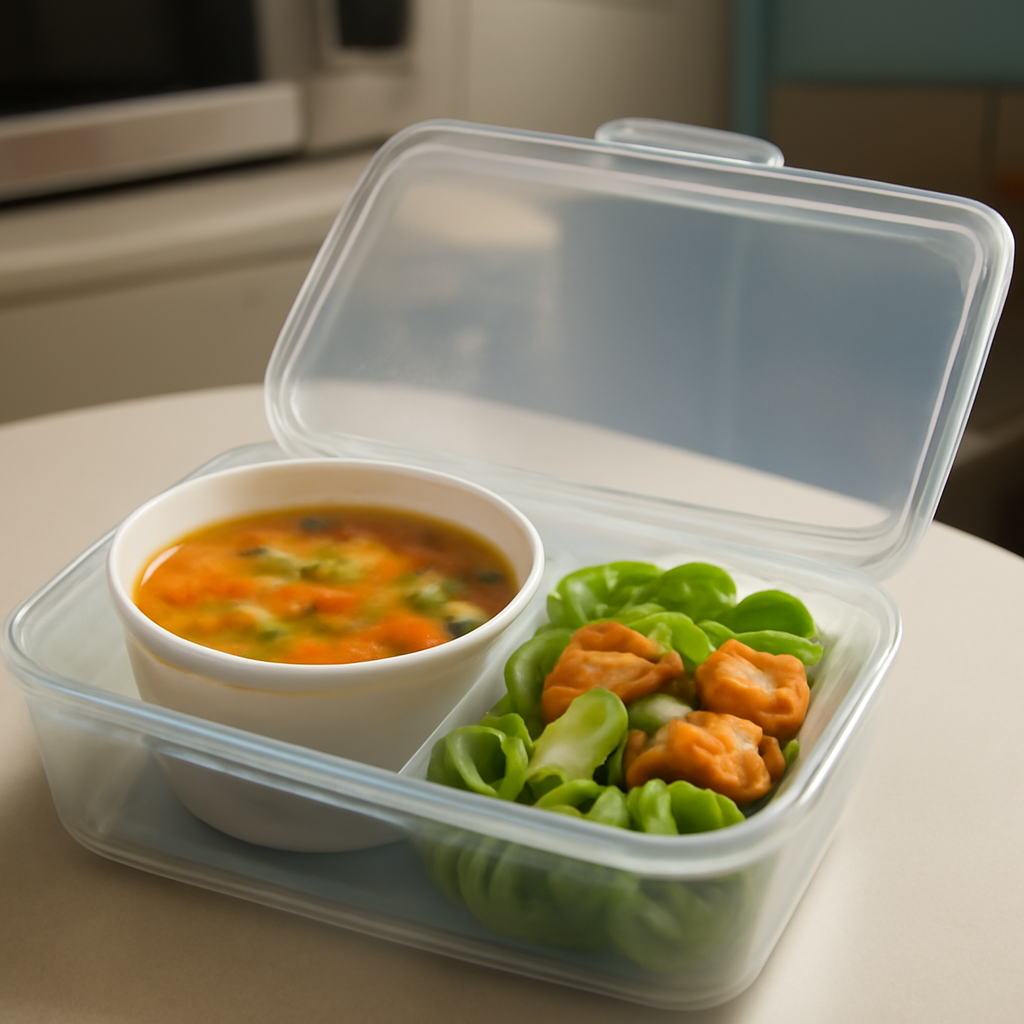
Here’s the good news: a well‑designed microwave‑safe plastic box can be the unsung hero of your break‑room routine. It’s cheap, lightweight, and if you pick the right one, it cleans up in a flash – meaning you spend less time fighting spills and more time refuelling.
1️⃣ Microwave‑friendly material (no mystery chemicals)
Look for BPA‑free, food‑grade plastics that are explicitly labelled microwave‑safe. The reason matters – many cheap containers can leach microplastics when heated, and a recent deep‑dive on non‑toxic lunch boxes warned that heat can accelerate chemical shedding. Opt for a sturdy, high‑density polypropylene (PP) or Tritan™ blend. It won’t melt, it won’t warp, and it won’t leave a faint plastic taste in your soup.
Does that sound a bit technical? Think of it like choosing the right glove material for surgery – you want something that holds up under heat and pressure without compromising safety.
2️⃣ One‑hand, snap‑tight lid
When you’re juggling a pager, a stethoscope, and a coffee cup, the last thing you need is a fiddly twist‑top. A snap‑lid with a silicone gasket gives a leak‑proof seal and can be opened with a thumb‑press. It also means you can pop the lid off, microwave, and snap it back on without hunting for a screwdriver.
And because the lid is silicone‑based, you get that nice, soft click that tells you it’s really sealed – a tiny confidence boost before you head back to the ward.
3️⃣ Easy‑clean design (no hidden crevices)
Internal ribs and deep grooves look fancy but they’re a nightmare to clean. The best boxes have a smooth, single‑piece interior that you can rinse under warm water in 10 seconds. Some even boast a dishwasher‑safe rating, but we recommend hand‑washing the lid to keep the silicone from degrading.
Pro tip: after each shift, give the box a quick swipe with a non‑abrasive sponge and let it air‑dry with the lid ajar. That prevents mould and keeps the seal supple – a habit we’ve seen cut cleaning time by half for busy nurses.
4️⃣ Built‑in compartment or sleeve for an ice pack
Even if you’re using a plastic box, you can still keep a small reusable ice pack in a dedicated sleeve. This keeps salads crisp and yoghurt chilled without needing a separate container. It’s a clever way to maximise space in a standard nursing bag.
Picture this: you pop the box into the locker, the ice pack stays snug in its groove, and you grab a quick bite without any extra rummaging. Pure efficiency.
Seeing a box in action makes it easier to judge. The short video above shows a nurse demo‑ing a microwave‑safe box, from popping it into the oven to snapping the lid shut for a leak‑proof lunch break.
5️⃣ Pair it with the right hydration buddy
Even the best lunch box feels incomplete without a reliable water bottle. Our Effective Time Management for Nurses guide mentions how a well‑chosen bottle can shave seconds off your routine – and the same logic applies to a lunch box.
When the box is microwave‑ready, the bottle is leak‑proof, you’ve got a combo that lets you stay nourished and hydrated without a single spill on your scrubs.
Finally, a quick checklist before you click “add to cart”:
Microwave‑safe, BPA‑free plastic (PP or Tritan)
Snap‑tight silicone gasket lid
Smooth interior for easy cleaning
Integrated ice‑pack sleeve (optional)
Fits comfortably in your nursing bag
Stick to these basics, and you’ll have a lunch box that truly supports your shift – easy to heat, quick to clean, and reliable enough to keep your meals (and your sanity) intact.
5. Eco‑Friendly Reusable Box with Organic Fabric Liner
Ever glance at your lunch box and think, “I could be doing better for the planet while I’m trying to keep my energy up?” You’re not alone. Many of us on the ward juggle patient charts and a desire to be a little greener, and the right box can make that feel less like a compromise and more like a win.
That’s why an eco‑friendly reusable box with an organic fabric liner deserves a spot on your shortlist of the best lunch box for nurses. It’s soft on the environment, gentle on your food, and still tough enough to survive a 12‑hour shift.
1️⃣ Natural, biodegradable outer shell
The outer shell is usually made from plant‑based polymers or recycled bamboo fibre. Those materials break down faster than traditional plastic, meaning you’re not adding to the landfill every time you toss a container after a week.
And because the shell is rigid, you still get the snap‑tight seal you need to keep soup from spilling onto your scrubs. Think of it as a sturdy hug for your meal.
2️⃣ Organic cotton or linen liner
The inner liner is where the magic really happens. Organic cotton or linen is breathable, so moisture doesn’t get trapped – perfect for salads that need to stay crisp.
It also feels soft against delicate foods like yogurt or fruit, so you don’t get those weird plastic‑after‑taste vibes. Plus, you can pop the liner out and toss it in the wash without fear of melting.
3️⃣ Easy‑clean, dishwasher‑safe design
One of the biggest turn‑offs for sustainable boxes is the cleaning ritual. Luckily, most of these boxes are built with a smooth, removable liner and a silicone‑gasket lid that can go straight into the dishwasher.
Just a quick rinse after each shift and you’re ready for the next round. No hidden crevices where crumbs hide, no extra time stolen from your patient notes.
4️⃣ Built‑in insulation without foam
Instead of synthetic foam, many eco‑boxes use a double‑wall construction with a layer of natural wool or recycled paper. It keeps your hot soup warm for a few hours and your chilled snack cool without the smell of old plastic.
It’s a subtle benefit, but when you’re on call at 02:00 and your tea is still steaming, you’ll notice the difference.
5️⃣ Thoughtful extras for busy nurses
Look for features like a built‑in utensil pocket, a snap‑on wrist strap, or a magnetic clip that tucks the box onto the side of your bag. Those little touches shave seconds off your routine – the same kind of micro‑efficiency we talk about in our wellbeing assessments.
And because the box is reusable, you’re also cutting down on the endless stream of single‑use containers that end up in the hospital waste stream.
So, does an eco‑friendly reusable box feel like a luxury you can’t afford on a shift? Not at all. Many brands price them around the same range as a standard plastic box, and the long‑term savings – both financial and environmental – quickly add up.
Actionable tip: before you buy, do the “water‑spill test”. Fill the box with hot water, seal it, and give it a gentle shake. If no droplets escape, you’ve got a reliable seal. Then pop the liner out, give it a quick spin in the wash, and you’re good to go.
When you choose a box that respects both your health and the planet, you’re not just feeding yourself – you’re feeding a mindset of care that carries over into every patient interaction.
6. Premium Lunch Bag with Built‑In Ice Pack
Ever cracked open a lunch bag on a night shift and found your salad soggy because the ice pack leaked everywhere? Yeah, that’s the kind of tiny nightmare that steals a few precious minutes – minutes you could be using to finish charting or grab a quick breather.
That’s why a premium lunch bag with a built‑in ice pack feels like a secret weapon. It keeps the cold side truly cold, the hot side warm, and, best of all, it does it without an extra, fiddly pack that rolls around in your bag.
Why the built‑in ice pack matters
Think about the last time you needed a chilled snack after a marathon 12‑hour ward round. A loose ice pack can shift, melt, and dribble onto your phone or badge. When the pack is integrated into a dedicated sleeve, it stays put, stays cold, and stays sealed.
In a review of nurse‑focused lunch bags, Nurse Money Talk highlighted models that lock the ice pack in place, noting they prevent leaks and extend chill time by up to two hours compared with removable packs.
Key features to look for
Thermal sleeve that hugs the pack.A snug, insulated pocket that wraps around the ice pack stops it from rattling and adds an extra layer of cold retention.
Separate hot and cold zones.Dual‑wall construction with a divider means your soup stays steaming while your fruit stays crisp.
Easy one‑hand access.A magnetic snap or a pull‑tab lets you flip the lid open without juggling keys or a stethoscope.
Durable, wipe‑clean exterior.Look for water‑resistant nylon or neoprene that survives a quick wipe‑down after a spill.
Size that fits your nursing bag.Aim for a bag no wider than 10 cm so it slides into most locker compartments.
Real‑world example
Imagine you’re on an 08:00‑20:00 shift in the emergency department. You pre‑pack a quinoa bowl, a Greek yoghurt, and a small container of berries. The built‑in ice pack sits in its sleeve, keeping the yoghurt and berries chilled while the quinoa stays warm thanks to the double‑wall insulation. When you swing open the lid with a single thumb‑press, everything is exactly where you expect it – no soggy mess, no frantic searching for a loose ice pack.
That tiny moment of smoothness saves you maybe 30 seconds to a minute. Over a week, that adds up to a solid 5‑10 minutes of uninterrupted patient care.
Actionable checklist before you buy
Do the “ice‑pack test”: fill the built‑in sleeve with a frozen gel pack, close the bag, and give it a gentle shake. No rattling means a secure fit.
Check the lid’s seal – press the edge; you should feel a firm click that won’t pop open under pressure.
Measure your current nursing bag interior. The premium bag should nestle comfortably without bulging.
Look for a removable inner liner. That way you can toss it in the wash without worrying about the ice‑pack compartment.
Read user reviews that mention “no leaks” and “keeps food cold for hours”.
Quick maintenance tip
After each shift, rinse the interior with warm soapy water, wipe the ice‑pack sleeve dry, and leave the lid slightly ajar for a few hours. This prevents mould and keeps the silicone gasket supple.
When you pair this premium bag with a reliable water bottle (like the one we covered earlier), you’ve got a self‑contained nutrition station that slides into your bag and stays ready, no matter how hectic the ward gets.
Bottom line: a lunch bag with a built‑in ice pack isn’t just a fancy accessory – it’s a practical upgrade that protects your food, protects your scrubs, and protects those few minutes of calm you deserve on a busy shift.
Conclusion
After scrolling through the different styles – insulated totes, bento‑boxes, stainless steel heroes and eco‑friendly kits, you’ve probably felt that familiar “aha” moment: the right lunch box can actually shave minutes off a chaotic shift.
Think about it: a leak‑proof seal means you don’t waste time dabbing soup on your scrubs, and solid insulation keeps your protein‑rich stew warm for those late‑night charting marathons. Those small wins add up, turning a rushed break into a moment of genuine refuel.
So, what’s the bottom line? Choose a box that fits your bag, offers one‑hand access, and gives you separate zones for hot and cold foods. Test it with the simple shake‑and‑check method we mentioned – no rattling, no leaks, just confidence.
And remember, a well‑chosen lunch box is only part of the puzzle. Pair it with a reliable water bottle, plan your meals the night before, and lean on tools like e7D‑Wellness to keep an eye on your overall wellbeing.
Ready to make the switch? Grab the model that ticks all the boxes, give it a spin on your next shift, and notice how those saved minutes feel like a breath of fresh air.
Give yourself credit for investing in a small piece of gear that supports your stamina – it’s a simple habit that can protect your wellbeing day after day.
FAQ
What should I look for when choosing the best lunch box for nurses?
First, check the seal – a silicone‑gasket lid that clicks shut is a lifesaver when you’re juggling a pager. Next, think insulation: double‑wall construction with a foil barrier will keep soups hot and salads crisp for at least six hours. One‑hand access is a must, so magnetic snaps or pull‑tabs let you open the box without dropping your stethoscope. Finally, durability matters; reinforced stitching and water‑resistant fabric survive the daily locker tosses.
How can I test a lunch box for leak‑proof performance before I buy it?
Grab a cup of hot tea, fill the main compartment, seal the lid, and give it a good shake for 30 seconds. If you see any droplets inside the lid or on the outer surface, the seal isn’t tight enough. Do the same with a cold water bottle to double‑check the gasket works both ways. A quick at‑home test saves you from a messy shift later.
Is insulation really necessary, or can a simple bag do the job?
Insulation isn’t a luxury – it’s a time‑saver. Without it, a hot stew can drop below 60 °C in under three hours, meaning you’ll be chewing lukewarm rice instead of a comforting meal. A double‑layer bag with a reflective foil keeps temperature steady, so you spend less time reheating and more time focusing on patients. In short, the right insulation turns a rushed bite into a calming break.
Can I fit a lunch box in a standard nurse locker or bag?
Measure the interior of your locker first – most hospital lockers are about 10 cm wide and 20 cm tall. Look for a box that’s slim enough to slide in sideways but still offers separate compartments. Many bento‑style designs stay under 9 cm, letting you tuck them beside your scrubs, gloves, and badge without crowding the space.
How do I keep my food fresh and safe for a 12‑hour night shift?
Start with a clean box – wipe it down before each shift. Pack hot foods in the centre, cold items in a side compartment, and add a reusable ice pack if the box has a built‑in sleeve. A quick “water‑spill test” (fill with hot water, shake, watch for leaks) ensures the seal holds. Finally, store the box open for a few minutes after your break to let any residual heat or moisture escape.
What easy‑clean options are best for busy nurses?
Look for smooth, single‑piece interiors that rinse in under ten seconds. Snap‑tight silicone lids are dishwasher‑safe on the top rack, but hand‑wash the gasket to keep it supple. Plastic boxes made from BPA‑free polypropylene or Tritan won’t warp in the microwave, and stainless‑steel models can be scrubbed with a non‑abrasive sponge. Fewer crevices mean you spend less time scrubbing and more time on patient care.
Where can I find reliable reviews of lunch boxes without spending hours researching?
We’ve done the legwork for you. Our e7D‑Wellness platform aggregates user feedback from hospital staff forums, professional nursing newsletters, and independent product tests. Jump into the “Gear Hub” section, filter by “lunch box,” and you’ll see star ratings, pros and cons, and a quick‑look video from a fellow nurse who’s already tried the box on a night shift. It’s a shortcut that puts the most relevant info right at your fingertips.


Comments