

Best Burnout Self-Assessment Tools: Costs & Features
- Patricia Maris

- 1 day ago
- 10 min read
Burnout doesn't hit you all at once. It creeps in. A few more late shifts. A growing stack of paperwork. The constant feeling that you're falling behind. Before you know it, you're running on empty. But how do you know for sure? That's where burnout self-assessment tools come in. They give you a clear picture of where you stand. In this article, we compare the best burnout self-assessment tools based on cost, features, and who they serve. Whether you're a physician, nurse, or medical student, you'll find the right tool to measure your risk and take action.
1. e7D-Wellness MarisGraph Wellness Assessment – Personalized Burnout Risk Score (Our Pick)
e7D-Wellnesspersonalized wellbeing profile for HCPs">
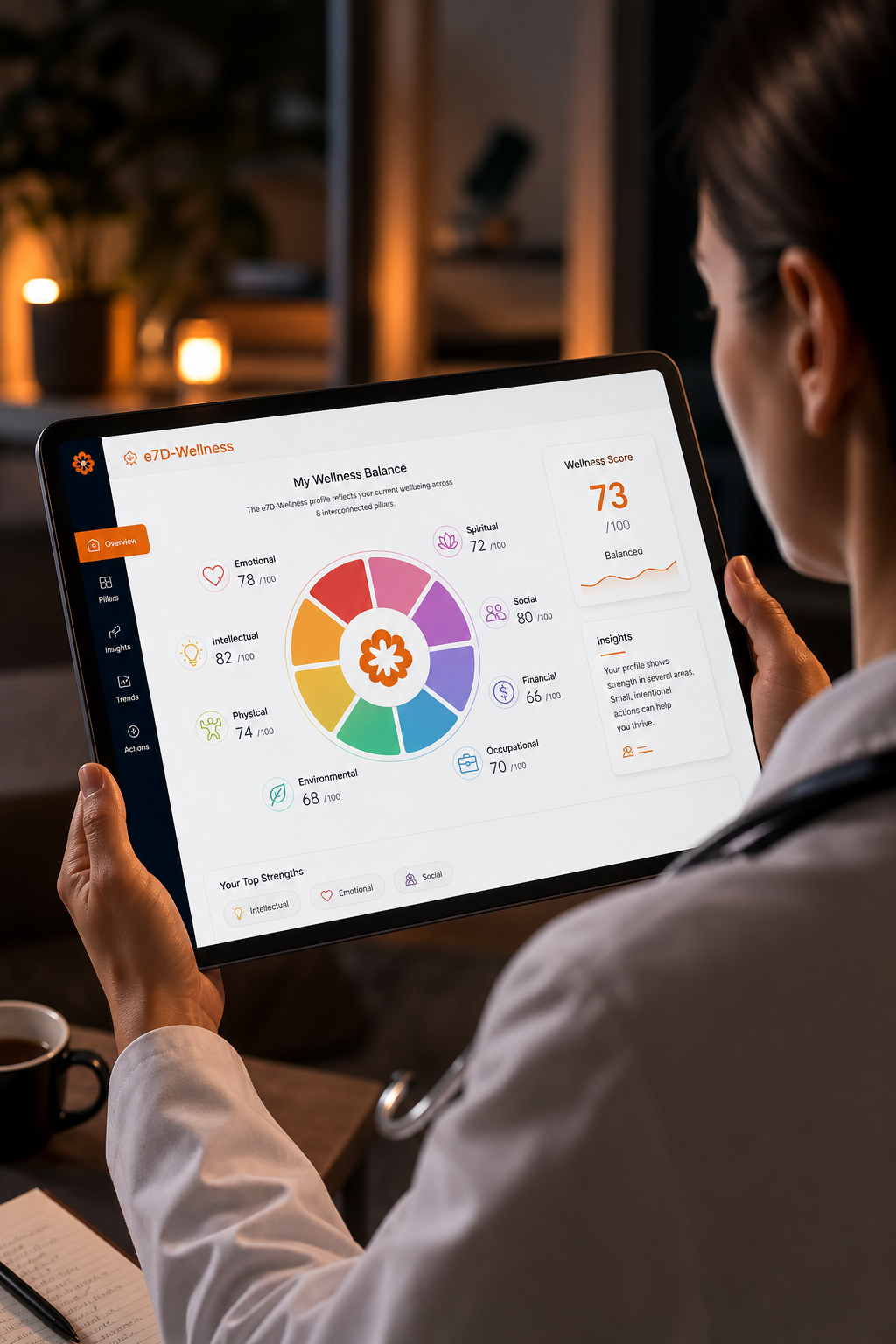
The MarisGraph from e7D-Wellness is our top recommendation for healthcare professionals. It's not just another survey. It's a complete wellness barometer that measures eight pillars: willpower, breathing, hydration, thoughts, nutrition, movement, rest, and sexual wellbeing. This tool was built specifically for clinicians, nurses, and med students who face unique stressors.
Cost is transparent:$59.95for a single assessment. That's a one-time fee, no subscription. You get a personalized wellbeing profile with a visual graph showing your strengths and risks. The test takes about 20 minutes and gives you immediate results. You can also use coupon codeMG#20for a discount or free access, it's a limited-time offer for the first 20 customers.
What sets MarisGraph apart is the depth. It doesn't just ask if you're tired. It looks at root causes. For example, are your low energy levels tied to poor hydration or lack of rest? The tool links each pillar to actionable steps. You can see exactly where to focus. According to the MarisGraph launch announcement this is a revolution in assessing healthcare worker wellbeing.
Pro Tip:Use the MarisGraph before and after a wellness intervention. Retake it every 3 months to track progress. The personalized graph makes it easy to see shifts.
For HCPs who want a private, evidence-based check-in, this is the best bang for your buck. It's more affordable than clinical assessments and more actionable than free quizzes. The data is stored confidentially, and the results are shared only with you. This tool is our pick because it combines low cost with high personalization.
2. Gold Standard Clinical Tool (Licensed Assessment)
A widely used burnout measure is considered the gold standard. If you need a clinical-grade assessment for a hospital study or a formal diagnosis, this is it. But it comes with a price tag.
Cost:This tool is not free. You have to license it through a publisher. A single use can cost$50, $150depending on the version. For institutional use, bulk licenses are available but can run into thousands of dollars. That makes it out of reach for most individuals.
The assessment has three subscales: emotional exhaustion, depersonalization, and personal accomplishment. It takes about 10, 15 minutes to complete. You need a qualified professional to interpret the results. The tool is validated across many healthcare settings. For example, how healthcare professional wellbeing can be measured often cites this tool as a reference.
A major downside is cost and accessibility. You can't just buy it online as an individual. You have to go through a licensed distributor. Also, the tool focuses only on work-related burnout. It doesn't address other life factors like sleep, nutrition, or relationships. That's where tools like e7D-Wellness fill the gap.
If your organization has a wellness budget and you need rigorous data for research, this tool is a solid choice. But for quick, personal use, it's overkill.
3. Oldenburg Burnout Inventory , Free Research-Grade Assessment
The Oldenburg Burnout Inventory (OLBI) is a free, 16-item scale. It measures burnout across two dimensions: exhaustion and disengagement. Unlike the MBI, it's not restricted to human service jobs. It works for any profession. That makes it a great option for HCPs who want a validated measure without paying a cent.
According to the OLBI page from a psychology resource, the test is publicly available and can be self-administered. You can find it online for free from many psychology resources. The cost is zero. It takes about 5, 10 minutes to complete. Scoring is straightforward: you add up the points and compare to cutoffs. A total score of 44 or higher indicates clinically significant burnout.
The OLBI has strong psychometric properties. Cronbach's alpha ranges from .70 to .87 for its subscales. It's been validated in many countries and occupations. That means you can trust the results. However, there is no personalized feedback or action plan. You get a score and that's it. You have to figure out what to do next.
For healthcare professionals on a tight budget, the OLBI is a solid starting point. Pair it with a resource like our guide on addressing moral injury to build a fuller picture of your wellbeing.
Key Takeaway:The OLBI is free, validated, and quick. Use it to screen burnout risk. Then invest in a deeper tool like e7D-Wellness for personalized insights.
4. Free Workplace Burnout Assessment (Targeted)
This free workplace burnout assessment was developed by occupational health researchers. It focuses on burnout in the work context. It has three scales: personal burnout, work-related burnout, and client-related burnout. This makes it ideal for healthcare workers who deal with patients directly.
Cost:Free. This tool is in the public domain. You can download it and use it without permission. It's one of the most accessible tools available. Each scale has 5 or 6 items, so the full test is about 18 questions. It takes less than 10 minutes to complete.
This assessment is widely used in research. It has good reliability and validity. For example, studies have reported strong internal consistency across all scales. The tool is also available in multiple languages. That's helpful if you work in a diverse team.
One limitation: it doesn't measure personal accomplishment or engagement. It's purely about exhaustion and fatigue. If you want a more full view, combine it with other tools. For example, using a compassion fatigue test alongside this tool can give you a fuller picture.
This assessment is a great free option for teams. You can administer it anonymously and aggregate results. Some hospital systems use it as a periodic wellness check. It's simple, fast, and proven.
5. Perceived Stress Scale (PSS) , Quick Stress Screening
The Perceived Stress Scale (PSS) is the most widely used psychological instrument for measuring stress perception. It was developed by Sheldon Cohen in 1983. It's not a burnout test per se, but stress is a key precursor to burnout. Many HCPs use the PSS as a quick screening tool.
Cost:Free. The PSS is in the public domain. You can find it online easily. The standard version has 10 items. There's also a 4-item short form. It takes about 3, 5 minutes to complete. Scoring is simple: you sum the responses after reversing a few items.
The PSS asks about feelings and thoughts during the last month. For example: "How often have you felt that you were unable to control the important things in your life?" It captures how unpredictable, uncontrollable, and overloaded you feel. Scores range from 0 to 40. Higher scores mean more stress.
Research shows that high PSS scores are linked to burnout in healthcare workers. A study with physicians found that a 5-point increase on the PSS doubled the odds of burnout. So it's a useful early warning system.
However, the PSS doesn't tell you why you're stressed. It's a general measure. For actionable insights, you need a more specific tool like a comprehensive assessment tool that breaks down stress into multiple domains. Use the PSS as a monthly check-up. If your score creeps up, dive deeper with a complete assessment.
6. Work Burnout Assessment (WBA) , Digital Platform for Teams
The Work Burnout Assessment (WBA) is a newer digital platform designed for organizations. It combines a validated burnout questionnaire with analytics and reporting. It was developed in Europe and is now used by some healthcare systems. The tool focuses on three dimensions: exhaustion, mental distance, and reduced professional efficacy.
Cost:Variable. For individual use, it's around$20, $30per assessment. For teams, there are subscription plans starting at$500/yearfor up to 50 users. That's more affordable than the MBI but still a cost for individuals.
The WBA is administered online. You get a dashboard with scores and benchmarks. The platform also offers suggested interventions based on your results. For example, if your exhaustion score is high, it might recommend sleep hygiene resources. This is a step beyond simple scoring.
According to a leading healthcare organization's infographic on burnout assessment tools, the WBA is suitable for monitoring burnout over time. It's often used in occupational health programs. The tool has been validated in several studies with good reliability (Cronbach's alpha >0.80).
The main drawback is that it's less personal than a comprehensive wellness assessment. It doesn't cover lifestyle factors like hydration or movement. It's purely work-focused. For a complete wellness picture, consider combining it with a broader assessment.
If you're a department head looking to benchmark your team's burnout risk, the WBA is a usable choice. It gives you aggregate data to inform wellness initiatives.
7. Burnout Self-Test from a Renowned Medical Institution, Free Clinical Resource
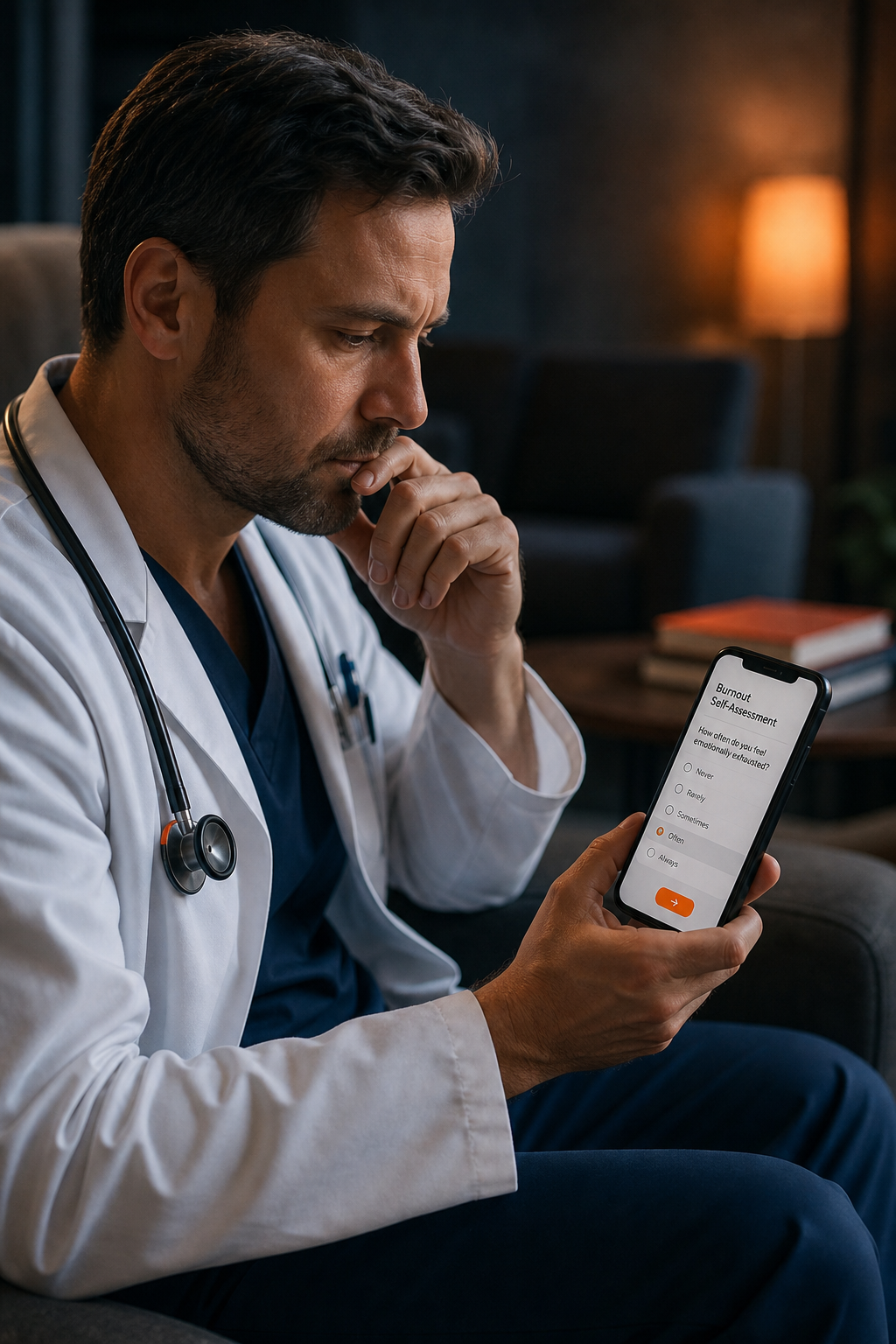
A renowned medical institution offers a free online burnout self-test through its wellness assessment tool. This tool is developed and clinically validated by a leading health organization. It measures six dimensions of distress and well-being in under 60 seconds. The assessment has just 9 questions. That's incredibly fast.
Cost:Free for individuals. The assessment is also available for organizations through a paid subscription (starting at around$1,000/yearfor small teams). For one-time use, you can take the test on the organization's website at no charge.
The tool gives you an instant score and compares you to national benchmarks. It also provides links to resources based on your risk level. For example, if you screen high for burnout, it suggests peer support programs or counseling. The clinical validation adds credibility.
One limitation is anonymity. The free version is not anonymous if you use your work email. The organizational version does offer aggregated reporting with individual privacy. But for a quick, free check, it's excellent.
We recommend this as a starting point, especially for busy clinicians. Take it now. If your score is in the moderate-to-high range, follow up with the MarisGraph for a deeper, personalized analysis.
Comparison Table: Burnout Self-Assessment Tools at a Glance
Tool | Cost | Time | Items | Validation | Best For |
MarisGraph (e7D-Wellness) | $59.95 one-time | 20 min | ~40 items | Evidence-based, 8 pillars | Personalized wellness plan |
Gold-Standard Research Tool | $50–$150 per use | 10–15 min | 22 items | Gold standard research | Clinical studies, formal diagnosis |
Free Quick-Screening Tool | Free | 5–10 min | 16 items | High reliability | Quick free screening |
Free Workplace Tool | Free | <10 min | 18 items | Good validity | Workplace assessment |
Free Stress Screening Tool | Free | 3–5 min | 10 items | Widely used | Stress screening |
Team Benchmarking Tool | $20–$30 per use, team plans from $500/yr | 10 min | ~20 items | Validated in healthcare | Team benchmarking |
Medical Institution-Validated Quick Check | Free individual; org plans from $1,000/yr | <1 min | 9 items | Medical institution validated | Ultra-quick check |
This table helps you compare tools based on cost, time, and focus. For most healthcare professionals, the MarisGraph offers the best balance of depth and affordability. If you're on a strict budget, start with the free screening tools and upgrade if you need personalized insights.
FAQ: Burnout Self-Assessment Tool Cost & Usage
How much do burnout self-assessment tools typically cost?
Costs range from free to over $150 per use. Free tools like research-validated burnout inventories are widely available. Mid-range options like the MarisGraph cost around $60. A gold-standard burnout inventory, the most widely used, costs $50–$150 per administration when purchased through a publisher. Organization-level platforms can cost $500 to several thousand dollars per year.
Are free burnout self-assessments reliable?
Yes, many free tools are research-backed and reliable. Some research-validated inventories, for example, have strong psychometric properties with Cronbach's alpha above 0.80. The key is to choose tools from reputable sources, like universities or peer-reviewed journals. Free tools may lack personalized feedback, but they provide a valid baseline. Always check the validation studies before using a tool for serious decisions.
Can I use these tools to diagnose burnout?
No. These tools are screening instruments, not diagnostic tests. They indicate your risk level based on your responses. A formal diagnosis of burnout or any mental health condition requires a licensed professional. However, self-assessments can alert you to concerning patterns and motivate you to seek help. If your score is high, schedule a consultation with a psychologist or physician.
How often should I take a burnout self-assessment?
It depends on your needs. For ongoing monitoring, every 3–6 months is reasonable. Many organizations administer tools quarterly to track workforce wellbeing. If you're going through a high-stress period (e.g., a tough rotation), you might test monthly. The MarisGraph and similar tools allow retesting and trend tracking, which helps spot changes early.
What if my organization wants to assess all staff?
Consider the Work Burnout Assessment or a healthcare-specific wellbeing index. Both offer team dashboards and aggregated reporting. Costs start around $500–$1,000 per year. Ensure the tool you choose protects individual anonymity to encourage honest responses. Also, plan for how you'll act on the data; assessment without support is wasted effort.
Are there tools specifically for healthcare professionals?
Yes. The MarisGraph was designed for HCPs and covers eight wellness domains relevant to clinician life. A healthcare-specific wellbeing index is also tailored for healthcare settings. Some research-validated inventories include a client-related burnout scale, which fits patient-facing roles. General tools like the Oldenburg Burnout Inventory work well too, but specialized tools often include more relevant benchmarks.
How do I interpret my burnout score?
Each tool has its own scoring guidelines. Generally, higher scores indicate greater burnout risk. Some tools consider a total score of 44 or higher as clinically significant. A common stress scale uses a 0–40 scale; scores above 20 suggest high stress. Most tools provide cutoffs. Compare your score to the normative data provided with the tool. If you're in the top 25%, take action: talk to a supervisor, adjust your workload, or use wellness resources.
What should I do after a high burnout score?
First, don't panic. A high score is a warning sign, not a verdict. Take a deeper assessment (like MarisGraph) to pinpoint specific areas. Then, make a plan. This might include getting more sleep, improving nutrition, setting boundaries at work, or seeking counseling. Reach out to colleagues or professional support. Online psychiatrists can help if you need medication or therapy. Share your results with a trusted supervisor if possible.
Conclusion
Burnout is a serious problem for healthcare professionals. The right self-assessment tool can help you catch it early and take control. We've covered seven options, from free quick tests to complete clinical inventories. Each has its place.
If you want a personalized, actionable wellness profile, the MarisGraph from e7D-Wellness is our top choice. At $59.95, it's affordable for individuals. It covers eight pillars that matter for your health. Plus, you get a visual graph to track changes over time. For a quick, free screen, try the Mayo Clinic Well-Being Index or the Oldenburg Burnout Inventory.
Remember, the goal is not just to get a score. It's to understand your burnout risk and do something about it. Use these tools as a starting point. Talk to colleagues, adjust your routine, and seek support when needed. Your wellbeing matters. Take the first step today.


Comments