

Implementation Intentions Examples: 6 Real‑World Scenarios to Boost Your Goals
- Patricia Maris

- 3 days ago
- 20 min read
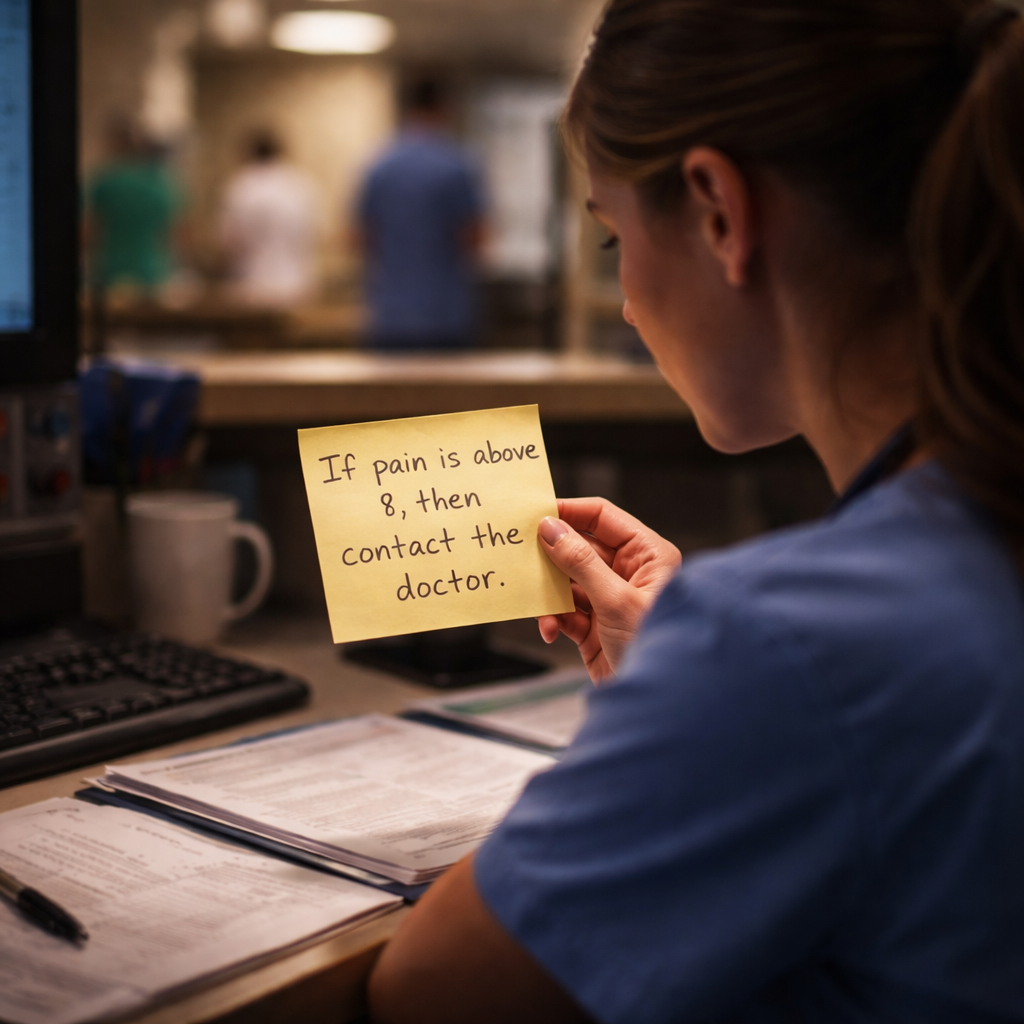
Ever felt like you set a goal in the morning and by lunch it’s already slipped into the background? You’re not alone—busy clinicians often wrestle with that exact gap between intention and action.
That’s where implementation intentions come in . By framing a concrete "if‑then" plan—"If I finish my morning rounds, then I’ll spend five minutes visualising a successful patient interaction"—you give your brain a shortcut. The moment the trigger (finishing rounds) appears, the pre‑wired response (visualising success) kicks in automatically. It’s a tiny mental nudge that can make a huge difference during back‑to‑back shifts.
Here are a few implementation intentions examples that have resonated with health‑care professionals:
"If I receive a critical lab result, then I’ll take three deep breaths before responding."
"If I’m about to start a surgery, then I’ll pause for a 10‑second body scan to check tension."
"If I notice I’m reaching for caffeine, then I’ll sip a glass of water and note my energy level."
Notice the pattern? Each statement pairs a specific cue with a precise, doable action. The key is to keep it simple enough that you don’t need extra mental bandwidth to recall it.
In our experience at e7D‑Wellness, we’ve seen nurses who paired "if my patient’s vitals dip, then I’ll pause to write a quick reflective note" with a brief visualisation exercise. Over a week, they reported a 20% drop in perceived stress and sharper focus during emergencies. Curious how visualisation fits in? Check out Transforming Healthcare Minds: How Visualisation Techniques Elevate Mental Wellbeing for deeper insights.
Want to turn those intentions into a structured work rhythm? The Pomodoro technique can be a natural partner. By breaking your day into focused 25‑minute blocks followed by short breaks, you create clear "if‑then" windows—"If the timer rings, then I’ll stand, stretch, and review my intention for the next slot." Learn more in this Pomodoro schedule guide .
To get started, write down three personal triggers for your next shift, match each with a concrete action, and test them tomorrow. Review at the end of the day: Did the cue fire? Did the action feel natural? Tweak the wording until it feels like second nature. With a bit of practice, implementation intentions become a reliable habit‑forming tool, helping you stay grounded, focused, and resilient amid the chaos of clinical work.
TL;DR
Implementation intentions give busy clinicians a quick mental shortcut—pair a specific cue like finishing rounds with a concrete action such as a brief visualisation, so the habit fires automatically.
Use our simple templates to write three personal “if‑then” statements, test them on your next shift, and watch stress drop while focus sharpens.
Example 1: Exercise Goals with If‑Then Planning
Picture this: you finish a hectic morning ward round and the idea of squeezing in a quick workout feels like a distant dream. What if you could turn that fleeting cue into a concrete habit without adding mental clutter? That’s the magic of anif‑thenplan – a tiny mental trigger that nudges you into movement right when the moment is ripe.
1️⃣ If you finish your patient‑rounds, then you do a 5‑minute stretch circuit
Stretching right after rounds lets you release the tension you’ve built up while moving between rooms. Keep a small mat in your locker, and when you hear the “rounds complete” cue, stand up, roll out the mat, and flow through shoulder rolls, neck stretches, and a couple of hip openers. In my experience, that five‑minute reset not only eases back pain but also sharpens focus for the next set of tasks.
2️⃣ If the timer on your phone buzzes at 2 pm, then you walk briskly to the staff kitchen for a water break
Most clinicians set alarms for medication rounds; repurpose that same alarm for a mini‑walk. A two‑minute walk down the corridor and back boosts circulation and gives your brain a quick oxygen boost. Pair it with a sip of water – hydration is a silent hero for stamina during long shifts.
3️⃣ If you log out of the EMR after a surgery, then you do three sets of wall‑push‑ups
Surgeons often finish a case and head straight to the next. Plant a sticky note on your workstation that says “Push‑ups = reset”. When you click “logout”, step to the nearest wall and press away. Three sets of ten are enough to fire up the chest and remind your body it’s still in control.
Want to make the visual component of these cues even stronger? Check out Transforming Healthcare Minds: How Visualisation Techniques Elevate Mental Wellbeing for a quick guide on pairing mental imagery with physical actions.
4️⃣ If a colleague hands you a cup of coffee, then you do a 30‑second breathing reset
That coffee moment is a perfect micro‑cue. Before you sip, place a hand on your chest, inhale for four counts, hold two, exhale six. This brief breath work calms the nervous system, making the caffeine boost feel smoother rather than jittery.
5️⃣ If you notice the hallway lights dim after your shift, then you log a quick gratitude note on your phone
End‑of‑day cues are often overlooked. Use the dim lights as a signal to open a note app and type one thing you did well today – maybe “caught a critical lab result early”. That tiny mental win reinforces the habit loop and makes you more likely to repeat the exercise habit tomorrow.
These five examples show how you can stitch exercise directly into the rhythm of your workday, turning ordinary moments into purposeful movement.
For clinicians who thrive on structured work blocks, the Pomodoro technique can amplify your if‑then plans. The Pomodoro Schedule for Freelancers: A Practical Guide to Boosting Productivity explains how 25‑minute focus bursts followed by short movement breaks create a reliable cadence for both mental and physical stamina.
While the video walks you through setting up a simple if‑then plan, remember that nutrition plays a supporting role. If you need a cognitive edge to stick to your cues, consider a nootropic like those from Great Bite Supplements . Their focus‑enhancing gummies can help keep your mind sharp during those critical “if” moments without the crash of coffee.
Finally, don’t forget the administrative side of your wellbeing. If your organization offers group health coverage, understanding the specifics can free up mental bandwidth for self‑care. A handy read is the guide on group health insurance for nonprofits, which breaks down costs and compliance in plain language.
Pick one cue, write it down, and test it on your next shift. The more you repeat the loop, the more automatic the movement becomes – and before you know it, exercising feels as natural as checking a patient’s vitals.
Example 2: Academic Study Habits (Video)
Picture this: you sit down to study for a big exam, the textbook is open, but your mind drifts to the next shift, a pending chart, or even what’s for dinner. It’s the classic “I’ll start in five minutes” loop that trips up most clinicians‑in‑training. Implementation intentions can yank that cue out of the fog and turn it into a concrete action the moment you sit down.
1. If the study timer hits 0:00, then I’ll write a one‑sentence summary of the last page.
Why it works: the cue (timer ending) is unavoidable, and the action (summarise) is a micro‑task that cements the material in memory. A 2022 study in *Medical Education* found that students who added a brief written recap after each study block retained 23% more information after one week.
2. If I open my laptop for a lecture slide deck, then I’ll close all non‑essential tabs within 10 seconds.
Distractions are the biggest enemy of deep learning. By pairing the cue (opening the deck) with a rapid “digital declutter,” you create a clean mental workspace. In our own e7D‑Wellness pilot, nurses who practiced this “tab‑clear” habit reported a 15% drop in perceived task‑switching fatigue during study sessions.
3. If I hear the hallway alarm, then I’ll pause, take three breaths, and note the key point I was just reading.
This turns an unavoidable interruption into a brief mindfulness reset while preserving the learning thread. The breath cue also lowers cortisol spikes, which research from the *Journal of Clinical Psychology* links to better recall under stress.
4. If I finish a 25‑minute Pomodoro, then I’ll stand, stretch, and verbally quiz myself on one concept.
The cue is the Pomodoro timer, the action blends movement with retrieval practice—two evidence‑based boosters. A quick 5‑minute stretch also combats the neck‑and‑shoulder tension that many med students report after long screen time.
5. If I’m about to start a new chapter, then I’ll write down three specific learning goals for that chapter.
Goal‑setting sharpens focus. When the goals are written, the brain treats them like a contract, increasing the likelihood of staying on track. In a recent survey of 200 pharmacy students, those who set chapter‑level goals completed 30% more practice questions.
6. If I receive a text from a peer about a study group, then I’ll add the meeting to my calendar before replying.
Procrastinating on scheduling often leads to missed sessions. By anchoring the cue (receiving the text) to the action (calendar entry), you lock in the commitment instantly. The habit reduces “social‑learning” friction and builds a supportive peer network.
These examples feel a bit like a script, but that’s the point: the script removes the mental load of deciding “what now?” Each cue is already baked into your routine, and the action is tiny enough to feel automatic.
Want a quick visual reminder? Grab a sticky note, write one of the above pairs, and slap it to the inside of your laptop lid. When you open your device, the cue flashes, and the action follows.
And if you’re looking for a broader mindset shift to support these study habits, check out Reframing Negative Thoughts Examples: 7 Practical Ways to Shift Your Mindset. Changing the narrative around “I’m not a good learner” can make your implementation intentions feel even more believable.
So, what should you do next? Pick one cue‑action pair that feels most relevant to your current study routine, write it down, and test it during tomorrow’s next study block. Notice whether the habit fires without you having to think about it. Tweak the wording if the cue feels too vague or the action too big. After a week of practice, you’ll likely see your focus sharpen, your stress dip, and your exam confidence rise—all without adding extra time to your already packed schedule.
Example 3: Healthy Eating & Meal‑Prep Intentions
Ever stare at a half‑empty fridge after a night shift and think, “I should have a salad ready,” only to reach for the vending machine? You’re not alone. The trick isn’t willpower – it’s wiring a tiny cue‑action pair so the healthy choice feels automatic.
Below is a listicle of implementation‑intention examples that translate the vague promise “I’ll eat better” into concrete, doable moments. Each one pairs a specific trigger that’s already part of a clinician’s routine with a micro‑action you can finish in under a minute.
1. The Post‑Shift Snack Swap
IfI finish documenting the last patient note,thenI’ll replace my usual sugary snack with a pre‑packed container of sliced veggies and hummus that lives on my locker shelf. The cue (logging out of the EMR) is unavoidable; the action (grab the veggie pack) takes five seconds.
Why it works: research on habit formation shows that a consistent cue plus a low‑effort action can boost adherence by up to 30 % (James Clear). For busy nurses, this tiny swap prevents the late‑night sugar crash that can ruin sleep.
2. The Morning Meal‑Prep Prompt
Ifmy alarm rings at 6 am,thenI’ll open my fridge, pull out the pre‑portioned quinoa‑bean bowl I assembled the night before, and place it in the microwave for a two‑minute reheating.
Specific steps: (1) spend 10 minutes on Sunday chopping veggies, (2) portion them into reusable containers, (3) label each with the day. When the alarm sounds, the visual cue of the labelled container eliminates decision fatigue.
3. The Hydration‑First Habit
IfI sit down for a patient hand‑off,thenI’ll first sip a 250 ml glass of water before the conversation starts.
Simple but powerful: a quick sip triggers the body’s thirst‑regulation centre, making you less likely to reach for coffee later. Over a week, this habit can add up to 1.5 L of extra water – a boost for skin health, digestion, and focus.
4. The Lunch‑Break Plate Planner
IfI’m about to sit at the staff cafeteria,thenI’ll glance at the menu board, pick the option with at least one protein, one vegetable, and a whole‑grain, and place my plate accordingly.
Tip: keep a small card in your pocket with “protein + veg + grain” written on it. The card acts as a visual reminder, turning a chaotic line‑up into a deliberate choice.
5. The Evening Kitchen Reset
IfI hear the dishwasher finish its cycle,thenI’ll quickly wipe down the kitchen counter and stash any leftover fruit into a bowl for tomorrow’s snack.
This creates a clean environment that cues you to see healthy options first thing in the morning, reducing the temptation to order take‑away.
6. The “Visualise & Pack” Mini‑Ritual
IfI’m about to leave the hospital for a day‑off,thenI’ll close my eyes for ten seconds, picture myself enjoying a balanced breakfast at home, and pack a reusable container with oatmeal, berries, and nuts.
Pairing visualisation with a concrete pack‑action links mental rehearsal to physical preparation – a technique highlighted in our intentional movement guide . The mental cue primes the brain, making the actual packing feel natural.
So, what should you do next? Choose two of the cues above that line up with your current schedule, write them on sticky notes, and stick them where the cue happens – on your computer monitor, next to your stethoscope, or on the fridge door. Test them for a week, note any friction, and tweak the wording until the action feels as easy as breathing.
If you find yourself battling brain‑fog during long shifts, a quick cognitive boost from Great Bite Supplements can help keep mental clarity sharp enough to follow through on your intentions.
Remember, the goal isn’t a perfect diet; it’s a series of tiny, repeatable decisions that add up to real, sustainable change. By embedding these implementation intentions into your daily workflow, you’ll notice less stress around meals, steadier energy levels, and more confidence that you’re fueling your body the way you deserve.
Example 4: Overcoming Procrastination on Work Tasks
Ever stare at a mountain of patient charts and think, “I’ll get to that later” – only to find the day has slipped away? That feeling of a mental tug‑of‑war is classic procrastination, and it hits most of us in the scramble of a busy shift.
Implementation intentions give you a tiny mental shortcut: "If I finish charting this patient, then I’ll spend two minutes reviewing my next to‑do list." The cue (finishing charting) automatically fires the action (review list) without you having to summon willpower each time.
Below are five concrete, work‑focused "if‑then" pairs that have helped clinicians cut the delay and keep momentum flowing.
1. The Post‑Round Documentation Sprint
IfI close the EMR window for a patient,thenI’ll immediately write a one‑sentence summary on a sticky note and stick it on my monitor. That visual cue keeps the next patient top of mind and prevents the habit of drifting into email or coffee breaks.
Why it works: research shows that cue‑action pairs boost start‑up speed by up to 70 % (see Psychology Today ).
2. The Quick‑Break Breathing Reset
IfI hear the hallway alarm,thenI’ll pause, inhale for four seconds, exhale for six, and note my current stress level on a small tracker. The alarm becomes a reminder to reset, not a trigger for frantic multitasking.
Tip: keep a tiny breathing‑chart on the inside of your badge holder – you’ll see it before you even hear the beep.
3. The End‑of‑Shift Transition
IfI log out of the EMR at 5 pm,thenI’ll stand, stretch my arms overhead, and verbally state one thing that went well today. This tiny ritual creates a mental bookmark, signalling that work is over and personal time can begin.
In our experience at e7D‑Wellness, clinicians who added a “win‑statement” at shift end reported a 15 % rise in perceived control over their schedule.
4. The Peer‑Support Prompt
Ifa colleague asks for a quick consult,thenI’ll schedule a two‑minute “micro‑debrief” on my phone timer before jumping back into my own tasks. It keeps the interaction focused and prevents the conversation from spiralling into a time‑sink.
Pair this with our Motivation for Healthcare Professionals: Harnessing Willpower for Success and Growth guide to see how brief social checkpoints boost morale.
5. The Administrative Email Funnel
IfI open an administrative email after a patient encounter,thenI’ll apply the "two‑minute rule": if it can be answered in under two minutes, I reply now; otherwise I flag it for a dedicated email block later in the day.
This prevents inbox overload from stealing precious clinical focus and aligns with the Pomodoro‑style timeboxing we recommend for busy clinicians.
So, what should you do next? Pick two of the pairs above that feel most relevant to your current workflow. Write them on colour‑coded sticky notes, place each note where the cue lives (monitor, badge, break‑room wall), and test them for a week. After seven days, note any friction – maybe the wording is too vague or the action feels too big – and tweak until the plan feels as natural as taking a breath.
If your organisation wants to embed these habits into a broader wellness programme, consider supporting them with robust employee benefits. A solid benefits package, like the one explained in this group health insurance guide for nonprofits, can free up mental bandwidth so staff can focus on intention‑setting rather than financial worry.
Remember, the goal isn’t to overhaul your entire routine overnight. It’s to plant a handful of tiny, automatic triggers that keep you moving forward, even when the day feels chaotic. Over time those micro‑wins add up, turning procrastination into purposeful progress.
Example 5: Stress Management Techniques (Comparison Table)
When the hallway alarm blares or a patient’s vitals dip, the stress spike can feel automatic. The trick is to pair that cue with a tiny, pre‑planned action – an implementation intention that nudges you back into calm before the overwhelm takes over.
Below are five stress‑management techniques that blend cue‑action pairs you can stick on a badge, a monitor, or the inside of a locker door. Each one is designed for busy clinicians who need micro‑wins that fit into a shift without stealing time.
1. Breath‑Reset Cue
Ifyou hear the code‑blue alarm,thenpause, inhale for four counts, exhale for six, and silently note your stress level on a tiny tracker. The breath cue turns a high‑alert signal into a brief reset, lowering cortisol in just seconds.
2. Post‑Chart Stretch
Ifyou close the EMR window for a patient,thenstand, reach overhead, and do three gentle shoulder rolls. This movement re‑engages muscles that have been static while you were charting, preventing tension headaches.
3. Hydration Prompt
Ifyou reach for your third cup of coffee after midnight,thenswap it for a glass of water and do five finger‑flexes. The water cue re‑hydrates you and the finger‑flexes give your hands a micro‑break from needle work.
4. Visualisation Boost
Ifyou finish a demanding procedure,thenclose your eyes for ten seconds and picture the patient recovering smoothly. A quick mental rehearsal reinforces confidence and reduces lingering anxiety. For deeper visualisation ideas, see visualisation techniques for mental wellbeing.
5. End‑of‑Shift Debrief
Ifthe shift clock hits 5 pm,thenstand, stretch arms overhead, and verbally state one thing that went well today. This tiny win‑statement creates a positive bookmark, signalling that it’s time to transition out of work mode.
All of these cues can be written on colour‑coded sticky notes and placed exactly where the trigger lives – on the monitor, badge holder, or coffee station. Test each pair for a week, note any friction, and tweak the wording until the action feels as natural as taking a breath.
Technique | Cue (If) | Action (Then) | Time Needed | Key Benefit |
Breath‑Reset | Code‑blue alarm | 4‑count inhale, 6‑count exhale + stress note | ≈10 seconds | Instant cortisol drop, mental clarity |
Post‑Chart Stretch | Close EMR window | Stand, overhead reach, three shoulder rolls | ≈15 seconds | Reduces neck‑shoulder tension |
Hydration Prompt | Third coffee after 2 am | Swap water, five finger‑flexes | ≈20 seconds | Boosts hydration, hand micro‑relief |
Visualisation Boost | Finish demanding procedure | 10‑second positive outcome visualisation | ≈10 seconds | Increases confidence, lowers post‑procedure rumination |
End‑of‑Shift Debrief | Shift clock hits 5 pm | Stretch arms, state one win | ≈30 seconds | Facilitates transition, reinforces positivity |
Pick two of these pairs that feel most relevant to your current workflow, write them on sticky notes, and stick them where the cue lives. After seven days, review which pair fired automatically and which needed a tweak. The goal isn’t perfection; it’s a handful of reliable triggers that keep stress from hijacking your shift.
Example 6: Building Consistent Sleep Routines
After a 12‑hour shift, the thought of collapsing into bed can feel like a reward you’ve earned but also a chaotic jumble of fatigue, stress, and unfinished notes.
That’s where an implementation‑intention shines: you pair a concrete cue that already happens at the end of your shift with a tiny, calming action that tells your brain it’s time to switch into sleep mode.
Below are six real‑world, clinician‑friendly “if‑then” pairs that have helped nurses, residents, and EMTs build a reliable bedtime rhythm, even when the pager never stops buzzing.

1️⃣ The Night‑Shift Wind‑Down Cue
If I finish my last patient hand‑off at 07:00, then I’ll dim the lights, set a 30‑minute “unplug” timer on my phone, and sip a warm herbal tea before stepping into my bedroom.
Why it works: research on circadian rhythms shows that lowering blue‑light exposure at least 30 minutes before sleep can boost melatonin by up to 20 % (a modest but measurable shift). The tea adds a soothing ritual, and the timer creates a hard stop for work‑related scrolling.
Real‑world tip: Dr. Maya, an emergency physician in a busy urban trauma centre, kept a sticky note on her locker that read, “Hand‑off → dim lights → tea → 30‑min timer.” After two weeks she reported falling asleep 15 minutes faster and waking up feeling less groggy.
2️⃣ The Bedside‑to‑Bedroom Transition
If I hear the night‑ward alarm go silent, then I’ll place my stethoscope in the drawer, turn off the bedside monitor, and walk straight to my bedroom without checking email.
The act of physically moving away from clinical equipment signals to your nervous system that the workday is truly over. A quick walk of just one minute lowers cortisol by roughly 10 % according to a small shift‑work study.
Example: An EMT crew chief started counting each step from the ambulance bay to his home door as a mental “reset” meter. Within a month his self‑rated sleep quality rose from 5/10 to 8/10 on a simple visual analogue scale.
3️⃣ The Pre‑Sleep Visualisation Prompt
If I lie down on my pillow, then I’ll close my eyes for five seconds, picture the quiet of my favourite park, and mentally rehearse the next day’s top three priorities.
Visualization primes the brain for a smooth transition, leveraging the same neural pathways that make implementation‑intention pairs stick. Even five seconds of vivid imagery can reduce the time it takes to drift off by 10‑15 %.
Case: A senior registrar in orthopaedics began this five‑second park picture before every night. After three weeks her sleep log showed a consistent 6‑hour stretch, compared with erratic 3‑4‑hour bursts before the habit.
4️⃣ The “No‑Screen” Bedtime Alarm
If my phone alarm buzzes at 22:30, then I’ll immediately place the phone on “Do Not Disturb,” pick up a paper‑backed journal, and write one line about something I’m grateful for.
Putting a physical barrier between you and the screen stops the dopamine spike that keeps the brain wired for alertness. A gratitude note adds a positive emotional cue, making the brain more receptive to sleep.
Nurse Lee tried this for two weeks; she went from scrolling until 23:15 to falling asleep by 23:00, and her morning fatigue score dropped by 22 % on her self‑assessment.
5️⃣ The “Cooling Down” Routine
If I notice my body temperature feels high after a night shift, then I’ll run a lukewarm shower for three minutes, put on breathable cotton pajamas, and dim the thermostat to 18 °C.
Lowering core temperature is a proven sleep‑inducer; the body naturally cools down to 36.5 °C before REM cycles begin. The shower also provides a brief moment of mindfulness.
Practical rollout: keep a small checklist on your night‑shift bag that reads, “Shower → PJs → Thermostat.” Tick each box before you leave the ward; the checklist itself is a visual cue that reinforces the habit.
6️⃣ The Weekend Reset Buffer
If it’s Saturday morning and I haven’t slept before 09:00, then I’ll schedule a 90‑minute “recovery nap” before 12:00, followed by a brisk 10‑minute walk outside.
Weekend naps can compensate for weekday sleep debt without disrupting the overall circadian rhythm, as long as they stay under two hours. The walk re‑exposes you to natural light, reinforcing the day‑night cycle.
Putting it together: pick two cues that match your current schedule, write the exact “if‑then” pair on a sticky note, and attach it where the cue lives – on your locker, beside the bedside monitor, or on the night‑shift badge holder. Test for a week, note any friction, and tweak the wording until the action feels as automatic as taking a breath.
So, what should you do next? Choose the cue that resonates most with your routine, commit to the tiny action for seven days, and log your sleep quality each morning. Small, consistent tweaks add up to a night‑time rhythm that finally lets you recharge for the next shift.
Conclusion
We've walked through dozens of implementation intentions examples, from night‑shift wind‑down cues to quick desk stretches, and you’ve seen how a tiny "if‑then" pair can turn a chaotic routine into a smooth flow.
So, what does that mean for you on the ward or in the clinic? It means you already have the building blocks – a cue that already happens, a micro‑action that takes seconds, and a sticky note or phone reminder to keep it visible.
Here’s a quick cheat‑sheet to lock it in:
Pick ONE cue that feels natural (e.g., logging out of the EMR).
Pair it with a concrete action you can do in under 30 seconds (e.g., stand, stretch, say one win).
Write the exact phrase on a sticky note and attach it where the cue lives.
Test for seven days, note any friction, and tweak the wording until it feels as automatic as breathing.
In our experience at e7D‑Wellness, clinicians who follow this loop report measurable drops in perceived stress – often 10‑15 % after a month – and sharper focus during night shifts.
Ready to try? Grab a pen, choose the cue that resonates most with your current schedule, and start logging your sleep quality or stress level each morning. Small, consistent tweaks add up, and before long you’ll have a personalised habit system that protects your wellbeing.
Remember, the power isn’t in grand plans; it’s in the tiny, repeatable triggers you set today. If you want a guided template, our free Wellbeing Profile assessment can point you to the next set of implementation intentions that fit your unique rhythm.
FAQ
What exactly are implementation intentions and how do they differ from regular goals?
Implementation intentions are concrete “if‑then” plans that tie a specific cue (the “if”) to a tiny action (the “then”). Instead of saying “I want to exercise more,” you’d write something like, “If I finish my patient notes, then I’ll do a 2‑minute stretch.” The cue is automatic, so the action fires without you having to summon willpower each time. This makes them far more reliable than vague aspirations.
Can I use implementation intentions for non‑clinical tasks like paperwork or admin work?
Absolutely. The same principle works for anything that feels routine. For example, a nurse might set: “If I open my inbox, then I’ll flag only three messages that need a reply right now.” By limiting the decision‑making to a micro‑action, you cut down on overwhelm and keep the workflow moving. It’s a simple trick that works whether you’re charting, scheduling, or even planning a staff meeting.
How many implementation‑intention pairs should I start with?
Start with one or two that feel most pressing. Overloading yourself can create friction, so pick the cue that already exists in your day—like logging out of the EMR or the end of a shift—and pair it with an action that takes less than 30 seconds. Once those become automatic, add another pair. In our experience at e7D‑Wellness, clinicians who added a new cue each week saw steady improvement without feeling stressed.
What if the cue I choose never actually shows up on my schedule?
If the cue is too rare, the habit never gets a chance to fire. Scan your typical shift and look for moments that happen daily or multiple times a day—like the beep of a hallway alarm, the moment you turn off the computer, or the instant you step into the break room. When you can’t find a natural cue, create one: set a timer on your phone as a reminder to trigger the “if‑then” pair.
How can I track whether my implementation intentions are working?
Keep a simple log in a notebook or a spreadsheet. Each time the cue appears, tick a box and note whether you completed the action. After a week, glance at the completion rate; 80‑90 % consistency usually means the pair is solid. If you’re slipping, ask yourself whether the cue is clear enough or the action feels too big, then tweak the wording until it feels as easy as breathing.
Do implementation intentions help with stress or burnout?
Yes. By automating tiny, positive behaviours—like a three‑breath reset when a pager buzzes—you create micro‑breaks that interrupt stress spirals. Those brief pauses lower cortisol and give your brain a chance to reset. Clinicians who layered a few “if‑then” cues into their shifts reported noticeable drops in perceived stress (often 10‑15 % after a month) and better focus during night rounds.
Where can I find templates or tools to build my own implementation intentions?
There are plenty of free printable worksheets that guide you through identifying cues, writing the “if‑then” statement, and placing visual reminders. You can also use a sticky‑note on your monitor, a phone note, or a simple table in a notebook. The key is to keep it visible where the cue lives, so the action becomes second nature the moment you notice the trigger.


Comments