

How to Use a Nurse Burnout Risk Calculator
- Patricia Maris

- 13 minutes ago
- 8 min read
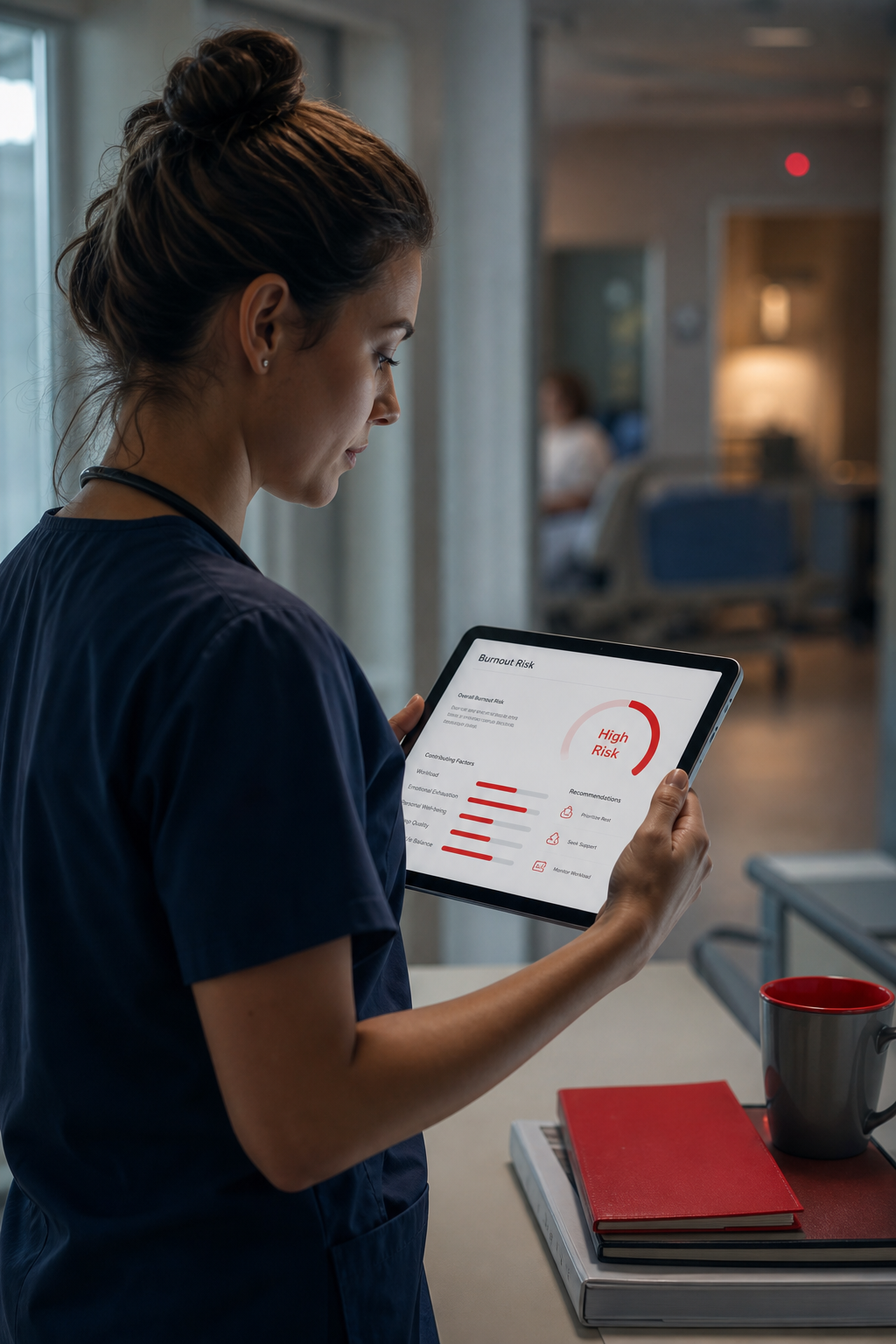
Ever feel like you’re running on empty, juggling endless shifts, and wondering if you’re on the brink of burnout? You’re not alone , there’s a simple, science‑backed tool that can tell you exactly where you stand and what to do next. This guide walks you through every part of the process, from understanding why burnout matters to turning a risk score into real‑world relief for you and your team.
By the end of this article you’ll know how to pick a solid calculator, run it, read the results, and build a lasting monitoring habit that fits right into a busy nursing schedule.
Step 1: Understand Nurse Burnout and Why Measuring It Matters
Burnout isn’t just a feeling of being tired. It’s a measurable syndrome that harms patients and staff alike. When nurses feel exhausted, detached, or like they can’t make a difference, safety scores drop, errors rise, and patient satisfaction falls.
In a 2026 meta‑analysis of 85 studies covering 288 581 nurses, burnout was linked to a lower safety climate (standardized mean difference , 0.68) and more medication errors (‑0.30). The study showed a clear, quantifiable hit to both care quality and staff wellbeing. Read the full meta‑analysis here .
Why does that matter to you? If a nurse unit’s burnout score climbs, the whole hospital feels the ripple , longer wait times, higher infection rates, and a rise in missed care. Knowing the risk early gives you a chance to act before the numbers turn into real harm.
Think about it this way: you can’t fix a leak you can’t see. A calculator shines a light on the hidden pressures that build up over weeks of overtime, staffing gaps, and pandemic stress.
Imagine a shift where the unit manager can pull a quick report and see that the average burnout risk is creeping up. That insight lets them add a floating staff member, adjust break schedules, or launch a short resilience workshop right away.
Key Takeaway:Measuring burnout isn’t a paperwork chore; it’s a safety checkpoint that protects patients and keeps your team healthy.
Step 2: Choose a Valid Burnout Risk Calculator and Review Its Scoring Method
Not all calculators are created equal. Some demand 30‑item surveys that take an hour to complete. Others, like the Wellbeing Profile Self‑Assessment from MarisGraph, ask just a handful of well‑being and workload questions and give you a risk score in seconds.
The Burnout Syndrome Assessment Scale (BOSAS) from an Indian ICU study shows how a concise, 20‑item tool can still be psychometrically strong. It scored a Cronbach’s alpha of 0.94 and test‑retest reliability of 0.93, meaning the numbers stay steady over time. See the BOSAS validation details.
When you compare tools, look for three things:
Validation depth:Does the tool have peer‑reviewed studies confirming its accuracy?
Input load:How many questions must a nurse answer? Fewer items mean higher completion rates.
Output clarity:Does the calculator give you a simple risk tier (low, moderate, high) plus actionable suggestions?
Most calculators flood you with raw scores that need a separate manual to decode. The MarisGraph tool, however, bundles the score with a ready‑to‑use report that lists self‑care steps, workload tweaks, and resource links.
If you need a free tier, only 4 % of the tools surveyed offered one, and the Well‑Being Index was the lone free option , but it lacks nursing‑specific benchmarks. That gap makes the MarisGraph calculator a usable choice for frontline staff.
Partnering with a web development firm can make the calculator feel native to your hospital’s portal. Lakeway Web Development specializes in secure, scalable integrations for health tools. They can embed the calculator so nurses access it with a single click from the staff intranet.
Pro Tip:Before you roll out any calculator, run a pilot with a small group of nurses. Capture feedback on question clarity and time needed, then tweak the rollout plan.
Step 3: Run the Calculator and Capture Your Score , Quick Video Walkthrough
Now that you have a tool, let’s walk through the actual use. The steps are the same whether you’re on a desktop or a mobile device.
1. Open the calculator URL on a secure browser.
2. Log in with your staff credentials , most systems use single sign‑on to keep things smooth.
3. Answer the wellbeing questions. They usually ask how often you feel drained, how supported you feel by leadership, and how many overtime hours you’ve logged in the past month.
4. Submit the form. Within seconds you’ll see a color‑coded risk bar and a short report.
The video below shows a nurse completing the form in real time. Pause at any point to follow along on your own screen.
After the score appears, click the “Download Report” button. Save the PDF to a secure folder that your unit manager can review during weekly huddles.
Capture the score in a simple spreadsheet: date, nurse ID (or anonymous code), risk tier, and any notes about recent schedule changes. Over time you’ll see trends that point to systemic issues , for example, a spike after a new night‑shift policy.
If you’re worried about data privacy, remember that the calculator complies with HIPAA standards and stores data on encrypted servers. That protects both staff identities and patient information.
Step 4: Interpret the Results and Implement Immediate Self‑Care Actions
When the report lands in your hands, the first thing to do is read the risk tier. A “high” rating flags a need for urgent intervention; a “moderate” score suggests early signs that could be reversed with small changes.
Research shows that resilience acts as a buffer. A 2024 study of 1 165 Spanish nurses found that higher resilience lowered burnout’s impact on mental health, with burnout mediating up to 87 % of the effect. View the resilience‑burnout study here .
Here’s a quick three‑step self‑care plan you can start today:
Micro‑breaks:Every 90 minutes, step away for two minutes. Stretch, breathe, or sip water. Those tiny pauses reset the stress response.
Peer check‑in:Pair up with a colleague and share one stressor and one win each shift. The act of verbalizing reduces isolation.
Targeted resource use:If the report suggests “low social support,” sign up for the hospital’s mentorship program or schedule a brief meeting with a mental‑health counselor.
For nurses whose scores stay high despite these steps, consider a formal resilience program. Many hospitals now offer eight‑week workshops that blend cognitive‑behavioral techniques with mindfulness drills.
Financial strain often fuels burnout. Exploring flexible financing options can lift that pressure. Amtex Loan provides loan solutions that can help nurses manage personal financial stress , giving you one more lever to reduce overall tension.
“Resilience isn’t a personality trait; it’s a skill you can grow with practice.” , research on nurse mental health
Take the report seriously, but also remember it’s a snapshot. Use it as a conversation starter with your manager, not as a final verdict.
Step 5: Integrate Ongoing Monitoring into Your Workplace Wellness Program
One‑off checks are useful, but the real power of a burnout risk calculator lies in continuous tracking. When you embed the tool into a broader wellness dashboard, leaders can spot unit‑level trends before they become crises.
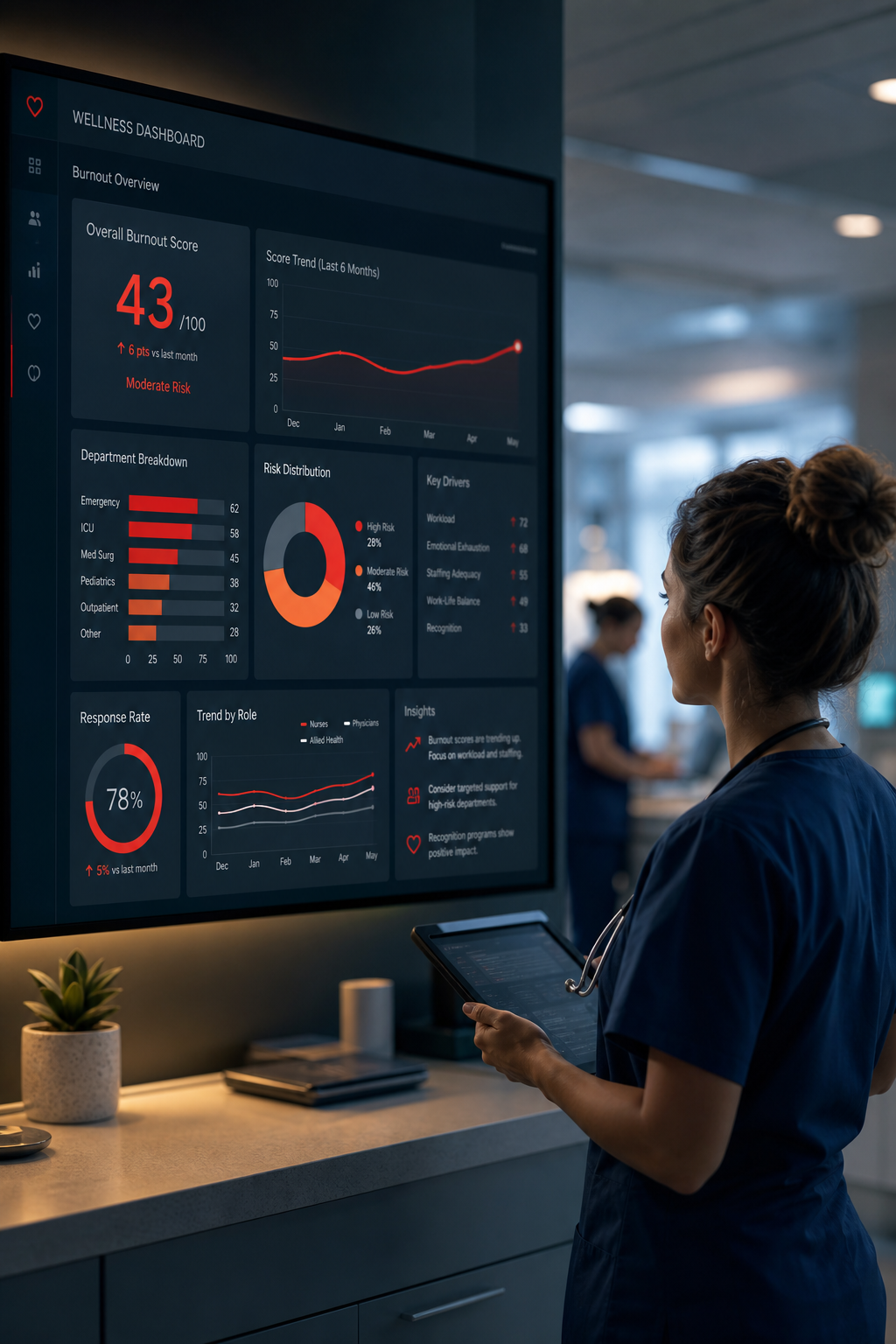
Start by setting a monitoring cadence. Many units run the calculator every quarter, aligning the data pull with staff surveys and performance reviews. The aggregated scores feed into a heat‑map that highlights which departments show rising risk.
A 2025 study of 6 294 nurses across 111 hospitals found that inclusive policies reduced turnover intent, even for those with high burnout. While the policies didn’t directly lower burnout, they created an environment where stressed nurses felt less compelled to leave. Read the inclusive‑policy research here .
To make the data actionable, attach a simple decision rule:
If the average unit risk rises above the “moderate” threshold for two consecutive months, trigger a rapid‑response wellness sprint , a week of targeted workshops, staffing adjustments, and leadership check‑ins.
If a single nurse’s score hits “high,” flag a confidential one‑on‑one with the employee assistance program within 48 hours.
Link the calculator to your electronic health record (EHR) or staff portal using an API. That way the score appears alongside shift schedules, so managers can see workload‑risk correlations at a glance.
Finally, celebrate wins. When a unit moves from high to moderate risk, share the story in the staff newsletter. Positive reinforcement keeps momentum alive.
Looking for extra ways to ease personal stress, nurses might explore side‑income ideas that fit around shift work. Shusharya lists vetted work‑from‑home options that can supplement a nurse’s paycheck , reducing financial pressure that often fuels burnout.
Key Takeaway:Ongoing, data‑driven monitoring turns a single score into a strategic tool that guides staffing, policy, and wellness investments.
Conclusion
Measuring burnout with a reliable calculator gives you a clear line of sight into the hidden stress that erodes patient safety and staff morale. By picking a validated tool, running it regularly, interpreting the risk tier, and weaving the data into a continuous wellness loop, you can catch problems early and act fast.
Start small , pilot the calculator with a single unit, collect feedback, and share the first report at a shift huddle. Then expand the habit hospital‑wide, linking scores to staffing decisions, inclusive policies, and resilience programs. Over time the numbers will shift, and you’ll see fewer medication errors, higher patient satisfaction, and a happier nursing crew.
If you need help embedding the calculator or building a dashboard, consider a partner that understands health‑tech security. The right tech foundation makes the whole process painless and sustainable.
Take the first step today. A quick, evidence‑based score could be the difference between a night shift that feels endless and one that feels manageable.
FAQ
What exactly does a nurse burnout risk calculator measure?
A burnout risk calculator asks a short set of questions about emotional exhaustion, workload, support, and coping habits. It then converts those answers into a risk tier , low, moderate, or high , using a validated scoring algorithm. The output often includes a brief report with personalized self‑care tips and suggestions for organizational interventions.
How long does it take for a nurse to complete the assessment?
Most modern calculators, including the MarisGraph Wellbeing Profile, take under five minutes. The questionnaire is intentionally brief to fit into a busy shift without adding paperwork fatigue. A pilot study showed a 92 % completion rate when the tool was offered during a short break.
Can the calculator replace a full burnout inventory like the Maslach Burnout Inventory?
No. Full inventories provide deep diagnostic detail, while a risk calculator offers a quick snapshot for ongoing monitoring. Use the calculator for regular check‑ins and reserve complete surveys for annual reviews or research projects.
Is the data from the calculator private and HIPAA‑compliant?
Yes. Reputable calculators store responses on encrypted servers and follow HIPAA guidelines for protected health information. Data is typically de‑identified before it’s aggregated for unit‑level reporting, protecting individual privacy while still revealing trends.
What should a manager do if several nurses score high in the same month?
First, hold a confidential one‑on‑one with each nurse to explore immediate stressors. Then look for systemic patterns , for example, a new staffing model or overtime spike. Deploy a rapid‑response wellness sprint: short workshops, temporary staffing boosts, and leadership check‑ins. Track the impact in the next quarterly score.
How often should the calculator be used?
Quarterly use works for most units, aligning with shift‑change cycles and performance reviews. High‑stress periods, such as during a pandemic surge or after a major policy change, may warrant monthly checks. Consistency is key; the more data you collect, the clearer the trend line becomes.
Can the calculator help with licensing or credentialing requirements?
While the tool itself isn’t a licensing instrument, many state boards now ask hospitals to demonstrate wellness initiatives as part of accreditation. Showing regular burnout risk monitoring can satisfy that requirement and demonstrate a commitment to safe patient care.
What if a nurse feels the calculator doesn’t capture their experience?
Encourage them to add qualitative notes in the report’s free‑text field. Those comments can guide leadership to adjust the questionnaire over time, ensuring the tool stays relevant to the specific work environment.


Comments