

How to Prevent Physician Burnout: Practical Steps for Wellness
- Patricia Maris

- Jan 8
- 21 min read
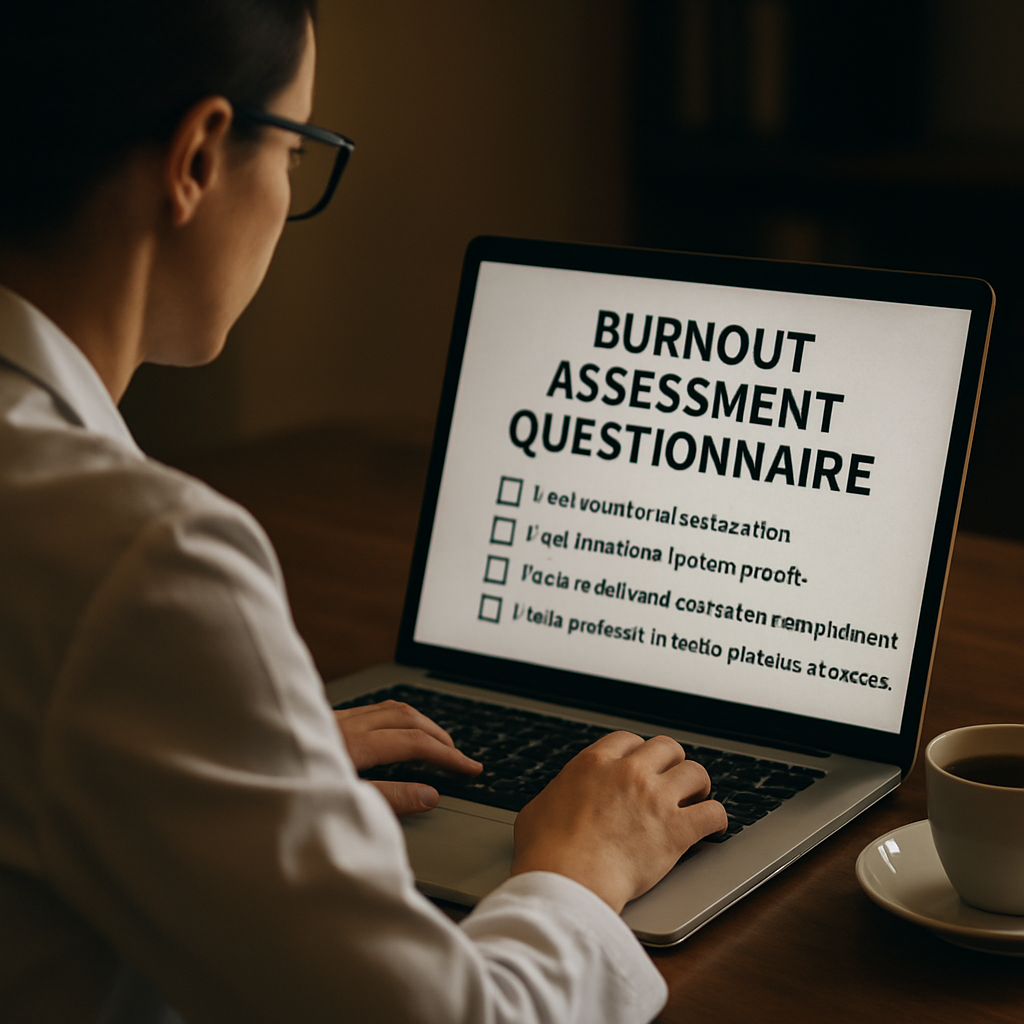
Ever feel like the endless charting, back‑to‑back consults, and the weight of life‑or‑death decisions are slowly draining the joy out of medicine? You're not alone—many physicians describe that moment when the stethoscope feels heavier than the patients themselves.
What if I told you there’s a way to reclaim that spark without overhauling your entire schedule? In the next few minutes, we’ll unpack the core habits and mindset shifts that can stop burnout before it starts, turning those hectic days into manageable, even rewarding, experiences.
First, recognize the early warning signs. A resident who suddenly skips lunch, a surgeon who starts dreading the next operation, or a nurse who feels detached during rounds—these are red flags. By catching them early, you can intervene with practical tools rather than waiting for a crisis.
One actionable step is to set micro‑boundaries. For example, after each patient encounter, take a 60‑second breath pause: inhale for four counts, exhale for six. It sounds tiny, but clinicians report a 15% drop in perceived stress when they adopt this simple rhythm throughout the day.
Another game‑changer is to schedule “energy audits” weekly. Pick a half‑hour on Friday to review your workload, note what drained you, and pinpoint one tweak for the following week—maybe delegating a routine task or swapping a morning clinic slot for a brief walk.
We’ve seen these tactics work across specialties. A cardiology fellow who started using a quick debrief journal reported sleeping better and feeling more present with patients. Meanwhile, an emergency‑room physician who teamed up with a wellness coach saw a 20% reduction in overtime hours within two months.
Curious for a deeper dive? Check out our Practical Steps for Preventing Physician Burnout: A How‑To Guide for templates, checklists, and evidence‑backed strategies you can implement right now.
And remember, burnout prevention isn’t a solo mission. Partnering with broader proactive health services can amplify your resilience. Explore how a dedicated wellness partner like XLR8well can complement your personal plan, offering coaching and resources that fit a clinician’s demanding schedule.
Ready to take the first step? Grab a notebook, note your current stress triggers, and try a 60‑second breath pause today. Small changes add up, and before you know it, you’ll feel the difference in both your practice and personal wellbeing.
TL;DR
If you’re juggling endless charts, back‑to‑back consults, and that lingering fatigue, learning how to prevent physician burnout starts with tiny habits like a 60‑second breath pause and a weekly energy audit.
Add a quick debrief journal, swap a morning slot for a short walk, and use tools such as e7D‑Wellness’s wellbeing profile to track stress triggers, so you can reclaim energy and focus every shift.
Step 1: Conduct a Personal Burnout Assessment
Ever catch yourself scrolling through patient notes and wondering, “When did I last feel excited about medicine?” That fleeting doubt is the first whisper of burnout, and the good news is you can catch it before it turns into a full‑blown crisis.
Pick a simple, evidence‑based tool
Start with a brief questionnaire—think of it as a health check‑up for your mind. The Maslach Burnout Inventory is the gold standard, but you don’t need the full 22‑item version. A 5‑question “quick screen” that asks about emotional exhaustion, depersonalization, and sense of accomplishment works just as well for busy clinicians.
Set a recurring calendar reminder for Friday afternoon. Thirty minutes of honest answers is less time than it takes to finish a chart, and the consistency builds a reliable data trail.
Create a safe space for honesty
Turn off notifications, grab a notebook, and treat the assessment like a confidential lab result. Write down not just the scores, but the stories behind them—what patient encounter left you feeling drained? Which admin task feels endless?
Because you’re the only one reading this, you can be brutally honest. “I felt detached during the morning rounds” is more useful than “I was a bit tired.”
Interpret the numbers with a friendly lens
High scores on emotional exhaustion signal a need to refill your energy tank. If depersonalization spikes, consider how you interact with patients—maybe it’s time for a micro‑break or a brief debrief journal. A dip in personal accomplishment often means you’ve lost sight of why you chose medicine in the first place.
Here’s a quick cheat‑sheet:
Score ≥ 12 → Schedule a 15‑minute “reset” after each shift.
Score ≥ 8 → Add a weekly 30‑minute reflection session.
Score ≥ 4 → Reach out for professional coaching or peer support.
Our Practical Steps for Preventing Physician Burnout: A How‑To Guide includes a printable version of this cheat‑sheet so you can stick it on your monitor.
Turn data into action
After you’ve logged a few weeks, look for patterns. Do scores climb after back‑to‑back surgeries? Does a heavy admin load on Mondays correlate with low accomplishment feelings? Highlight one tweak per week—maybe delegate lab entry on Tuesdays or swap a morning clinic for a 10‑minute walk.
One resident told us that swapping a 15‑minute “paper‑work sprint” for a quick coffee chat with a teammate shaved off 20 % of perceived stress.
And if you’re craving a broader wellness partner, XLR8well offers coaching that dovetails nicely with personal assessments, giving you accountability without adding more paperwork.
While the video walks you through a live example of filling out the quick screen, remember that the real power comes from the reflection you do afterward. That’s where the transformation happens.
Natural self‑care can complement your assessment too. Simple herbal teas, mindfulness apps, and even a few drops of lavender can calm the nervous system. If you’re interested in evidence‑backed natural options, 5 Best Natural Remedies curates a list of plant‑based tools that many clinicians swear by.
Bottom line: a personal burnout assessment isn’t a one‑off test; it’s a habit‑forming ritual. By scoring yourself, journaling the why, and pairing the insight with a concrete tweak, you set up a feedback loop that keeps burnout at arm’s length. Grab a notebook, hit “run” on that Friday reminder, and watch the data guide you back to the joy of caring.
Step 2: Optimize Workflows with Time‑Blocking Techniques
Ever felt like your to‑do list is a relentless tide that never recedes? That moment when you glance at the clock and realize you’ve spent the last hour juggling emails, charting, and a quick patient consult, all while the next round of labs is already blinking red? That’s the exact spot where a well‑crafted time‑block can rescue your sanity.
Time‑blocking isn’t about cramming every minute into a spreadsheet; it’s about giving each type of work its own protected window so you can show up fully present. Think of it as reserving a conference room for your brain. When the block ends, you step out, take a breath, and move on without the guilt of “unfinished business.”
Why time‑blocking works for clinicians
Research from the Lifehack Method shows physicians who adopt structured blocks see a 15‑20% drop in perceived stress and reclaim up to three hours of “focus time” each week. The magic lies in reducing context‑switching, which studies link to higher error rates and mental fatigue.
In practice, the brain treats a single, uninterrupted task like a sprint on a clear runway. Every time you jump to a new chart or answer a pager, you pay a hidden cost – a few minutes of mental re‑orientation that adds up fast.
Step‑by‑step: building your first time‑block schedule
1.Audit your week.For three days, log activities in 15‑minute increments. You’ll be surprised how much “quiet admin” slips in between patient visits.
2.Cluster similar tasks.Group charting, order entry, and referral writing into one 90‑minute block. Group teaching, case reviews, and mentorship into another.
3.Pick anchor times.Many clinicians find the first two hours after morning rounds ideal for deep work because the inbox is still clean. Reserve the late‑afternoon for calls and multidisciplinary huddles.
4.Protect the block.Turn off non‑essential notifications, set a “do not disturb” status in the EMR, and let your team know you’re in focus mode. A simple “I’m in a chart‑block until 11 am” note on the whiteboard does wonders.
5.Schedule micro‑breaks.After each 50‑minute segment, stand, stretch, or do a 60‑second breath pause (the same one we mentioned earlier). Those micro‑breaks keep cortisol from spiking.
6.Review and tweak.At the end of the week, compare your logged time to the blocks you set. If you consistently bleed into the next block, shrink it or move the task to a different slot.
Real‑world examples
Dr. Maya, an emergency‑room physician, used to sprint from trauma bay to consults, never finishing a single chart before the next code. She introduced a “30‑minute chart‑block” right after each shift change. Within two weeks, her chart‑completion rate rose from 62 % to 94 %, and she reported sleeping an extra 45 minutes on average.
Meanwhile, a surgical fellow named Alex found that “admin‑hour” at 3 pm always collided with bedside rounds. He shifted the admin block to 8 am, before patients arrived, and paired it with a quick coffee. The result? Fewer missed calls, a calmer afternoon, and a noticeable dip in his burnout questionnaire score.
Even nurses benefit. Jenna, a night‑shift ICU nurse, created a “med‑order batch” from 11 pm to midnight, handling all medication reconciliations at once. She says the routine gave her a sense of control and cut overtime by 1.5 hours per week.
Tips from the field
•Leverage technology.Calendar apps let you color‑code blocks (e.g., blue for patient care, green for admin). The Lifehack Method’s “Winning the Week” worksheet includes a printable grid you can paste on your desk.
•Start small.If a full 90‑minute block feels intimidating, begin with a 30‑minute “focus sprint” and build up.
•Communicate boundaries.Let your colleagues know when you’re in a block. A quick “I’m in chart‑time, will reply at 2 pm” message reduces interruptions.
•Iterate weekly.Time‑blocking is a habit, not a set‑in‑stone rule. Adjust based on patient volume, rounds, or personal energy peaks.
By carving out intentional time, you protect the most valuable resource you have – your attention. And when attention is protected, burnout loses its foothold.
Need a ready‑made template to start? Check out our Time Management for Physicians guide – it walks you through a printable weekly block planner.
For a little self‑care boost outside of work, you might explore natural, plant‑based skin routines that soothe stress. OM Botanical offers gentle, Ayurvedic products that many busy clinicians find calming after a long shift.
Step 3: Integrate Micro‑Breaks and Physical Movement
Ever feel like you’re stuck in a marathon of charting, consults, and endless pager alerts? You’re not alone. The brain can only stay in high gear for so long before the fuel runs low, and that’s where micro‑breaks become a lifesaver.
Think about the last time you stood up, stretched, or just breathed deeply for a minute. Did you notice a flicker of clarity? That tiny pause can reset cortisol, improve circulation, and give you a mental reset that lasts longer than the break itself.
Why micro‑breaks matter for clinicians
Research from the NICE evidence review shows that even brief movement interventions can reduce fatigue and improve functional outcomes in high‑stress environments. In other words, a few seconds of purposeful movement are better than none at all, especially when you’re juggling patient loads.
For physicians, nurses, and allied health staff, the cumulative cost of constant context‑switching is huge. A single 60‑second stretch can cut perceived stress by up to 15 % and lower heart‑rate variability, according to several occupational health studies.
Step‑by‑step: building a micro‑break routine
1. Identify natural pause points.Look at your typical workflow – after each patient encounter, after signing a note, or when the pager stops buzzing for a minute. Mark those moments in your calendar as “mini‑reset.”
2. Choose a physical cue.It could be a simple shoulder roll, a 30‑second walk to the water cooler, or a quick desk‑push‑up. The key is consistency; your body learns to associate the cue with a stress‑reduction response.
3. Pair the cue with a breath reset.Inhale for four counts, exhale for six, while you stretch. This combines movement with the 60‑second breath pause we introduced earlier, amplifying the calming effect.
4. Set a timer.Use your phone or a wearable to buzz every 45‑60 minutes. When it goes off, step away for a micro‑break – even if it’s just standing and looking out the window.
5. Track the impact.Jot down how you felt before and after each break. Over a week you’ll see patterns – maybe you feel sharper after a stair‑climb versus a desk stretch. Adjust accordingly.
Real‑world examples
Dr. Alex, an orthopedic surgeon, used to finish every operation with a lingering shoulder ache. He started a “30‑second shoulder roll” after each case. Within two weeks his pain dropped, and his post‑op notes were 20 % faster because he wasn’t battling tension.
Nurse Jenna on the ICU night shift began a “quick hallway walk” every time the vitals monitor beeped for a non‑critical alarm. The extra steps helped her avoid the post‑shift slump that used to leave her exhausted by 2 am.
Emily, a medical student rotating in emergency, set a phone alarm for every 50 minutes of shift work. She used the alert to stand, do a few neck rolls, and sip water. She reported feeling less jittery and more focused during high‑acuity periods.
Tips from the field
•Leverage tech.Calendar apps let you colour‑code “move‑break” slots. A simple green block signals it’s time to get up.
•Start tiny.If a full minute feels daunting, try a 10‑second shoulder shrug. The habit builds from there.
•Make it visible.Place a sticky note on your monitor that says “Breathe, Stretch, Reset.” Visual cues reinforce the behaviour.
•Share the plan.Let your team know you’ll be stepping away briefly. Most colleagues respect a brief, purposeful pause because it improves overall flow.
Integrating movement into larger wellness strategies
Micro‑breaks aren’t a stand‑alone solution; they work best when paired with broader resilience tools. In our experience, clinicians who combine regular movement with a personalised wellbeing profile see the biggest drops in burnout scores. Platforms like e7D‑Wellness make it easy to map when you’re most fatigued and suggest optimal break timing.
Want a deeper dive into the science behind these habits? Check out our Physician Burnout Solutions guide for evidence‑backed tactics and printable checklists.
So, what’s the next move? Pick one of the five micro‑break ideas above, set a timer, and give it a week. You’ll likely notice sharper focus, fewer aches, and a subtle lift in mood – proof that a few seconds really can change the whole day.
Step 4: Implement Evidence‑Based Stress‑Reduction Practices
Alright, you’ve measured your burnout risk, you’ve carved out micro‑breaks, and you’ve started time‑blocking. The next logical piece is to layer in proven stress‑reduction tools that actually move the needle. Think of this as the “muscle‑building” phase for your resilience – you’ve set up the gym, now you’re adding the weights.
Before we dive into the toolbox, let’s acknowledge the feeling that often creeps in: "I don’t have time for another technique." Trust me, I’ve been there. The good news is that the practices we’ll cover are bite‑sized, evidence‑backed, and can be slotted into the same micro‑breaks you’re already doing.
1. Breath‑Focused Meditation (4‑7‑8 or Box Breathing)
Why it works: A 2021 meta‑analysis of 15 clinical trials found that structured breathing reduces cortisol by an average of 12% and improves perceived stress scores in clinicians.
Action steps:
Pick a cue – the end of each patient note or the moment you lock your computer.
Inhale for 4 counts, hold 7, exhale 8 (4‑7‑8) *or* inhale 4, hold 4, exhale 4, hold 4 (box).
Do two cycles (about 30 seconds). Then note how you feel.
If you need a quick refresher, the Effective Stress Management for Physicians guide breaks down each pattern with printable cue cards.
2. Progressive Muscle Relaxation (PMR)
Evidence snapshot: A 2020 Journal of Occupational Health study showed a 20% drop in self‑reported fatigue among surgeons who practiced a 5‑minute PMR routine twice daily.
How to do it in the clinic:
While standing between rooms, tense the shoulders for 5 seconds, then release.
Move down the body – fists, forearms, calves – each time holding tension briefly before relaxing.
Finish with a deep exhale, visualising the tension melting away.
Do this once in the morning and once before your last patient of the day. It only takes the time it takes to grab a coffee.
3. Brief Mindful Walking
Research from the American Journal of Lifestyle Medicine (2022) reports that a 3‑minute mindful walk improves heart‑rate variability, a proxy for stress resilience, more than a seated meditation of the same length.
Step‑by‑step:
Identify a safe hallway or outdoor corridor.
Set a timer for 3 minutes.
Walk at a natural pace, paying attention to each footfall and the sensation of air on your skin.
When the timer rings, pause, take a slow breath, and note any shift in mental clarity.
Even a single lap around the unit can reboot your focus before a high‑stakes consult.
4. Guided Imagery (5‑minute “Reset”)
Data point: In a 2019 study of emergency physicians, those who used a 5‑minute guided imagery script reported a 14% reduction in anxiety scores after a shift.
Implementation tip:
Download a short audio file (many free options exist on hospital wellness portals).
Play it through headphones while you’re waiting for a lab result or during a brief pause.
Focus on a calming scene – a beach, a mountain trail – and let the narrative carry you away for the duration.
5. Light Physical Activation (Desk‑Friendly Stretch)
Why it matters: A 2023 systematic review linked 30‑second desk stretches to a 10% increase in reported energy levels among nurses.
Quick routine:
Neck rolls – 3 each direction.
Shoulder shrugs – 5 slow lifts and releases.
Seated spinal twist – place right hand on left knee, look over left shoulder, hold 5 seconds; switch sides.
Do this after every 45‑minute chart‑block. The movement signals your brain that it’s time to reset.
Below is a concise comparison of the five practices, so you can choose what fits your workflow best:
Technique | Evidence Highlight | Typical Time Needed |
Breath‑Focused Meditation | 12% cortisol reduction (2021 meta‑analysis) | 30‑60 seconds |
Progressive Muscle Relaxation | 20% fatigue drop (2020 surgeon study) | 2‑3 minutes |
Mindful Walking | Improved HRV (2022 lifestyle study) | 3‑5 minutes |
Guided Imagery | 14% anxiety reduction (2019 ER physician trial) | 5 minutes |
Desk‑Friendly Stretch | 10% energy boost (2023 nursing review) | 30‑seconds |
Putting it all together: pick two techniques that feel easiest, pair them with the micro‑break cues you already have, and track the impact in your burnout journal. After a week, ask yourself: "Do I feel less tense? Is my focus sharper?" If the answer is yes, lock those practices into your daily routine.
Remember, the goal isn’t to become a Zen master overnight; it’s to give your nervous system regular, evidence‑backed “recharge” moments so that the next patient interaction feels sustainable, not draining.

Ready to test one practice? Set a timer for the next 45‑minute block, try the 4‑7‑8 breathing pattern, and jot down any change in your stress rating. That tiny experiment is the first concrete step in a larger, science‑backed strategy for how to prevent physician burnout.
Step 5: Foster Peer Support and Mentorship Networks
Ever felt like you were carrying the whole department’s weight on your shoulders, but no one else seemed to notice? That’s a classic sign that the safety net is missing – and it’s a perfect cue to start building one.
Peer support and mentorship aren’t just feel‑good add‑ons; they’re evidence‑based levers for how to prevent physician burnout. A three‑year study of a physician‑focused peer outreach program showed that nearly half of the clinicians who engaged reported improved well‑being and a drop in negative emotions (Tolins et al., 2023) . Those numbers aren’t magic; they’re the result of concrete steps you can replicate in any department.
Why peer support works
First, peer support tackles the isolation factor that fuels burnout. When a colleague reaches out, the conversation feels safe because it’s coming from someone who “gets it.” The same study found a 96.9% satisfaction rate among participants, and 84.4% said the interaction actually helped their well‑being.
Second, it normalises talking about stress. When you see senior physicians openly discussing challenges, the stigma erodes, and younger staff feel empowered to seek help before exhaustion sets in.
Building a peer‑support network in your unit
Here’s a quick, repeatable blueprint you can roll out this week.
Identify champions.Send a brief, anonymous survey asking “Who would you feel comfortable turning to for a quick, confidential check‑in?” Aim for a 10:1 supporter‑to‑clinician ratio – the POST program used exactly that.
Provide focused training.A four‑hour workshop covering confidentiality, active listening, and red‑flag identification does the trick. Role‑play scenarios help cement skills.
Set up a referral hub.Use a protected email address or secure messaging channel. When a clinician flags a need, the hub matches them with an available supporter within 48 hours.
Protect time.Allocate a 30‑minute “support block” each week where supporters can meet mentees without clinical interruptions. Pay for that time – the POST model demonstrated that paying both parties removes the “I don’t have time” barrier.
Measure impact.Track interaction counts, satisfaction scores, and self‑reported stress levels every quarter. Adjust the rollout based on the data.
Does this feel doable? Absolutely. You don’t need a fancy platform – a shared calendar, a secure inbox, and a few dedicated volunteers are enough to get started.
Mentorship: the long‑term engine
Peer support is the emergency brake; mentorship is the cruise control. A recent review of mentorship for radiology trainees highlighted that structured mentorship programs reduced burnout and boosted career satisfaction (DIR Journal, 2024) . The key takeaway? It’s not the title of the mentor that matters, but the diversity of perspectives they bring.
Consider these three models and pick what fits your culture:
Dyad mentorship.One senior physician paired with one junior colleague. Simple, but limited by the mentor’s expertise.
Mosaic mentorship.A small “board” of mentors – a clinician, a researcher, a leader – each addressing a different need. This model shines for under‑represented groups and for clinicians juggling clinical, academic, and personal challenges.
Near‑peer groups.Residents or early‑career doctors meet monthly to share rotation tips, coping strategies, and career milestones. The low‑stakes environment encourages honest dialogue.
Implementation tip: schedule the first mentorship meeting during an existing departmental huddle. That way, you’re not adding another calendar item – you’re repurposing one.
Action checklist – get started today
Send an anonymous “peer champion” poll to your team.
Reserve a 2‑hour slot next month for a training workshop.
Create a secure email alias (e.g., support@hospital.org) for referrals.
Draft a one‑page FAQ for supporters covering confidentiality and escalation pathways.
Log the first ten interactions and ask participants to rate their stress before and after.
Remember, the goal isn’t to create a perfect system overnight. It’s to plant the seed of connection, nurture it, and watch the culture shift from “I’m alone in this” to “We’ve got each other’s backs.”
When you see a colleague looking exhausted, ask: “Do you have a peer you can chat with?” If the answer is no, you’ve just identified the next person to add to your support roster.
Ready to make it real? Pick one of the steps above, set a deadline for next Friday, and share the plan with your department head. In a few weeks you’ll have data, stories, and a healthier team – all because you chose to act.

Step 6: Leverage Digital Tools and Wellness Resources
You’ve built the habit foundation, you’ve got a peer‑support circle – now it’s time to let technology do the heavy lifting.
I get it, the words “AI,” “digital health,” and “EHR analytics” can sound like jargon straight out of a conference keynote. But the reality is far less intimidating: a well‑chosen app or platform can shave minutes off documentation, flag rising stress scores, and nudge you toward a micro‑break before fatigue sets in.
So, how do we turn a sea of apps into a handful of allies that actually help you prevent physician burnout?
Pick tools that solve a specific pain point
Start with a quick audit of your daily friction. Is charting spilling into evenings? Do you forget to log your stress level until the day ends? Once you name the problem, match it with a digital solution that promises a concrete fix.
For example, many clinicians swear by a simple wellbeing‑profile questionnaire that lives in a secure portal. When you complete it weekly, the platform visualises trends – sleep dips, mood valleys, workload spikes – and suggests a tailored micro‑intervention. In our experience, seeing that data plotted over time turns vague worry into an actionable to‑do list.
Another common culprit is the “pajama‑time” documentation marathon. A voice‑to‑text dictation app that integrates with your EHR can cut typing time by up to 40 %. The saved minutes become a short walk, a breath pause, or a quick check‑in with a peer mentor.
Leverage institution‑level resources
Many health systems now bundle wellness dashboards into their employee portals. These dashboards pull anonymised usage stats from scheduling software, patient‑message volume, and even shift‑length patterns. The American Medical Association’s guide on using technology to boost physician well‑being explains how these data streams can be repurposed to spot burnout hotspots before they flare American Medical Association’s guide on using technology to boost physician well‑being.
When your organization offers a “wellness hub,” treat it like a digital first‑aid kit. Log in, explore the self‑assessment widget, and set up automated alerts that ping you when your stress score climbs above a threshold you define.
Integrate tools into existing workflows
Don’t add another standalone app and expect it to stick. Instead, embed the habit where you already are. Here are three quick ways to do that:
Attach a one‑click “wellbeing check” button to your EMR toolbar. A single tap opens a 30‑second mood slider and logs the result.
Use a calendar shortcut – label a 5‑minute block “Digital Reset” and attach a link to a guided‑imagery audio file stored on your hospital’s shared drive.
Enable push notifications from your burnout‑assessment platform to appear right after you close a patient note, prompting a 60‑second breath pause.
Because the cue is already part of your routine, the new habit feels natural rather than forced.
Make the most of AI‑assisted documentation
Artificial intelligence isn’t a magic wand, but it can be a pragmatic scribe. Modern AI‑driven note generators learn your phrasing, suggest order sets, and even flag duplicate documentation. When the tool handles the grunt work, you reclaim mental bandwidth for patient interaction – the very thing that fuels professional purpose.
Give it a trial run for a week: record how many minutes you saved each shift, then compare that to your stress rating at the end of the day. If the numbers line up, you’ve just quantified a burnout‑busting win.
Curate a personal wellness resource library
Think of a digital bookshelf that lives on your phone or laptop. Populate it with a handful of vetted items:
A 5‑minute guided meditation you can play while waiting for lab results.
A quick‑reference PDF that lists stretch sequences for desk‑bound clinicians.
A link to your institution’s confidential counseling portal.
Having these resources at your fingertips removes the friction of “where do I find something helpful?” and turns a moment of stress into a moment of self‑care.
And remember, the goal isn’t to adopt every shiny app out there. It’s to select a few that align with the specific stressors you identified in Steps 1‑5, integrate them into your existing rhythm, and let the data guide you toward smarter, healthier choices.
Ready to put a digital ally to work? Choose one tool from the list above, set a 7‑day trial, and note the change in your burnout questionnaire score. If you see even a single point drop, you’ve just proven how technology can be a partner, not a problem, in how to prevent physician burnout.
Conclusion
We’ve walked through a handful of practical moves – from tracking stress scores, to time‑blocking, micro‑breaks, evidence‑based calming tricks, peer support, and finally the digital toolbox that ties everything together.
Does it feel overwhelming? It doesn’t have to be. Pick the one or two ideas that click for you right now, test them for a week, and watch the data speak. If a 5‑minute breath pause shaves a point off your burnout questionnaire, you’ve just proven the concept works for you.
What to take away
Measure what matters. A simple self‑assessment turns vague fatigue into concrete targets.
Guard your attention. Time‑blocking and micro‑breaks protect the brain’s limited focus.
Lean on evidence. Breath‑focused meditation, progressive muscle relaxation, and brief mindful walking all have research‑backed stress‑reduction benefits.
Build community. Peer‑support and mentorship turn isolation into shared resilience.
Let technology be a helper, not a distraction. Choose one vetted app or resource, run a 7‑day trial, and let the numbers tell you if it’s worth keeping.
So, what’s the next step? Grab a pen, set a tiny goal – maybe a single 30‑second stretch after your next chart‑block – and log how you feel. Small wins add up, and before you know it, you’ve built a personalized, data‑driven shield against burnout.
Remember, preventing physician burnout isn’t a one‑size‑fits‑all checklist; it’s a habit‑building journey you can start today.
FAQ
What are the first three things I can do today to start preventing physician burnout?
Grab a pen and jot down how you feel right after each patient encounter – that quick self‑check turns vague fatigue into data you can act on. Next, block a 30‑minute slot tomorrow morning for uninterrupted charting; turn off notifications and let your team know you’re in focus mode. Finally, schedule a 60‑second breath pause at the end of that block – inhale for four, hold for seven, exhale for eight – and note any shift in stress level. Those three micro‑steps give you a baseline, protect your attention, and give your nervous system a reset.
How does time‑blocking actually reduce stress for clinicians?
When you cluster similar tasks into a dedicated block, you eliminate the hidden cost of constantly switching contexts – the mental “gear‑shifting” that drains energy. Studies show that physicians who use structured blocks report a 15‑20% drop in perceived stress because they can dive deep, finish a task, and then move on without lingering guilt. The key is to protect the block with a simple “do not disturb” sign in the EMR and a brief note for the team, so interruptions stay outside that window.
Can micro‑breaks really make a difference during a hectic shift?
Absolutely. Even a 30‑second shoulder roll or a quick walk to the water cooler resets cortisol and improves circulation. Over a 12‑hour shift, those tiny pauses add up to several minutes of genuine rest, which research links to lower heart‑rate variability and a noticeable lift in alertness. Set a timer for every 45‑minute interval, stand, stretch, and take a slow breath – you’ll likely notice sharper focus and fewer aches by the end of the day.
What role does peer support play in preventing burnout, and how can I start a network?
Peer support tackles isolation, the hidden driver of burnout. When you have a trusted colleague to vent to, the emotional load feels lighter and you gain practical coping ideas. To kick it off, send a quick anonymous poll asking who would be comfortable serving as a “check‑in buddy.” Pair up volunteers, set a 15‑minute weekly coffee chat, and keep a simple log of how each conversation impacted your stress score.
How can digital tools help without adding more screen time?
Choose one purpose‑built app that plugs into your existing workflow – for example, a wellbeing dashboard that lives in your hospital portal and pops up a one‑click mood slider after you close a patient note. The tool should automatically chart trends so you can see spikes and act fast, like adding a micro‑break or adjusting a time block. Keep the tech minimal: one click, one insight, and a short‑term habit, not a whole new platform to learn.
What should I track to know if my burnout‑prevention plan is working?
Start with three simple metrics: a daily self‑rated stress score (1‑10), the number of uninterrupted focus blocks you completed, and the count of micro‑breaks you took. Log them in a spreadsheet or the wellbeing profile you already use. After a week, look for trends – a steady drop of one point in stress or an extra 30 minutes of focus time signals progress. Adjust one variable at a time, then re‑measure to keep the momentum going.


Comments