

Effective Sleep Hygiene for Nurses: Practical Steps to Restful Nights
- Patricia Maris

- Jan 14
- 18 min read
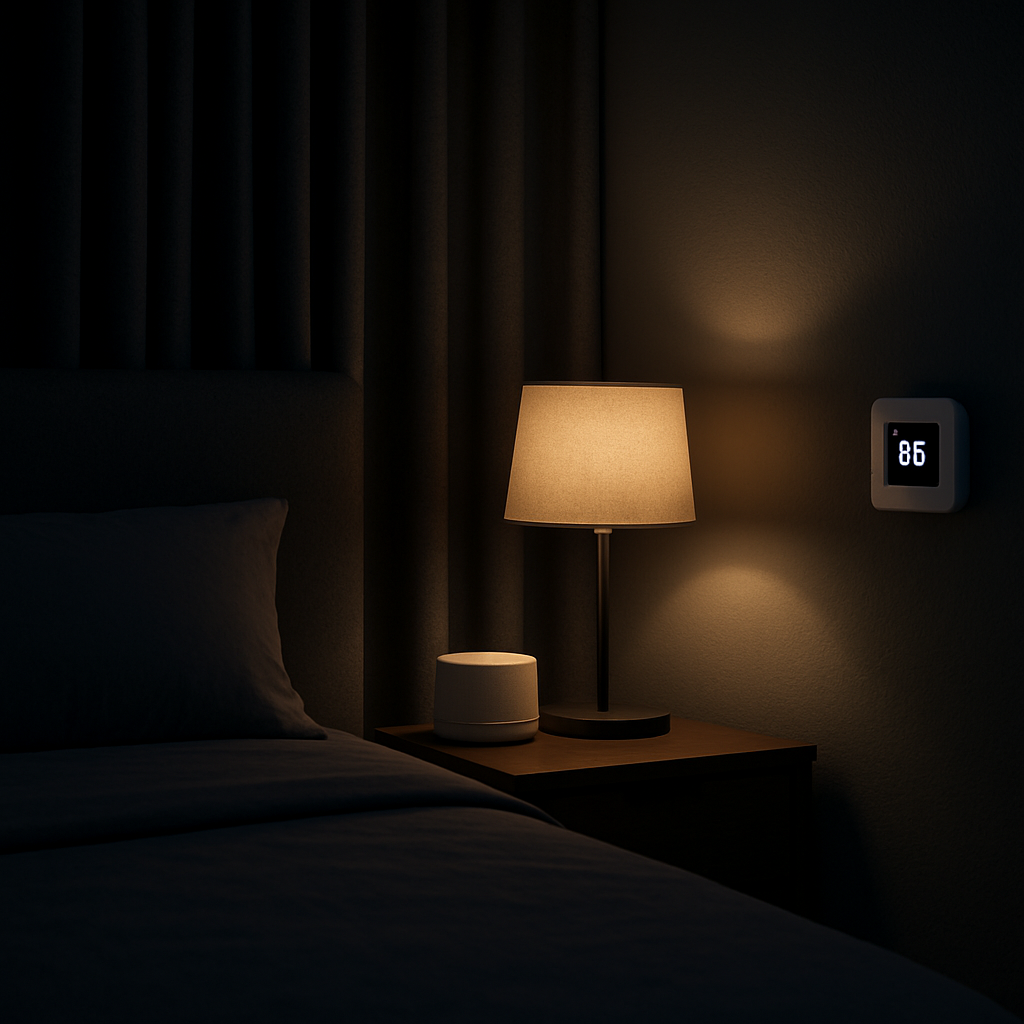
Picture this: you’ve just finished a 12‑hour night shift, your feet are sore, the coffee’s gone cold, and the thought of crawling into bed feels like a luxury you can’t afford.
Does that sound familiar? You’re not alone. Nurses everywhere wrestle with the same tug‑of‑war between patient care and getting real, restorative rest.
That’s where solid sleep hygiene for nurses steps in. It’s not a fancy buzzword; it’s a practical toolbox you can start using tonight to reclaim those precious hours of sleep.
In our experience at e7D‑Wellness, we’ve seen how tiny adjustments—like dimming the lights an hour before bed or keeping a consistent wind‑down routine—can make the difference between waking up feeling wiped out and waking up refreshed enough to tackle another shift.
So, what does good sleep hygiene actually look like on a busy ward? First, think of your sleep environment as a sanctuary. Even if you’re crashing in a hospital lounge or a cramped guest room, a few simple tweaks—blackout curtains, white‑noise apps, and a cool temperature—signal to your brain that it’s time to switch off.
Second, consider the timing of caffeine and meals. It’s easy to rely on that third cup of coffee to push you through the night, but caffeine stays in your system for up to six hours. Swapping that late‑night latte for a soothing herbal tea can help you wind down without sacrificing alertness during the shift.
Third, give yourself a short, intentional wind‑down ritual. Even five minutes of gentle stretching, a few deep breaths, or jotting down tomorrow’s priorities can calm the mind and ease the transition to sleep.
And let’s not forget the power of short, strategic naps. A 20‑minute power nap during a break can boost alertness without leaving you groggy, while a longer 90‑minute nap can provide a full sleep cycle if your schedule allows.
Feeling a bit overwhelmed? That’s okay. Start with one change—maybe the blackout curtains—and build from there. Small, consistent steps add up to a night‑time routine that actually works for you.
Ready to take the first step toward better rest? Let’s dive deeper into each habit, so you can start sleeping better and feeling more energized for every patient you care for.
TL;DR
Mastering sleep hygiene for nurses means creating a calm environment, timing caffeine wisely, and adding a brief wind‑down ritual to recharge after night shifts.
Start with one habit—like blackout curtains—and watch your energy improve, so you can care for patients feeling refreshed every day and stay alert on the ward.
Step 1: Optimize Your Sleep Environment
After a marathon night shift, the last thing you want is to toss and turn for hours. But the bedroom (or whatever makeshift corner you crash in) can be your biggest ally if you treat it like a quiet, low‑light sanctuary.
First, think about light. Even a tiny sliver of streetlamp through the blinds can trick your brain into thinking it’s still daytime. Blackout curtains are a game‑changer – they’re cheap, easy to hang, and they create that pitch‑dark vibe your circadian rhythm craves. If curtains aren’t an option, a sleep mask works just as well.
Next up: sound. Hospital corridors hum, the vending machine clanks, traffic roars outside. A white‑noise app on your phone or a small portable speaker can drown those interruptions. Choose a steady hum, ocean waves, or gentle rain – anything that feels like a soft blanket for your ears.
Temperature matters, too. Aim for a cool 60‑67°F (15‑19°C). If you can’t control the thermostat, a fan or a light blanket can help you stay in that sweet‑spot without overheating.
What about the bed itself? A supportive mattress and a pillow that keeps your neck aligned make a huge difference. If you’re on a sofa, add a firm mattress topper – it’s a small investment for big sleep returns.
And here’s a quick checklist you can print and stick on the nightstand: Sleep Hygiene for Shift Workers: Practical Strategies to Improve Rest . It walks you through lighting, noise, and temperature tweaks in a bite‑size format.
Now, you might wonder, "Where do I track all these changes?" That’s where a partner like XLR8well can help. They offer simple sleep‑tracking tools that sync with your phone, letting you see patterns over weeks without the guesswork.
If you need a little extra motivation to stick with the new routine, consider a brief coaching session with Bettina Rodriguez Aguilera . A life‑coach can help you translate these environment tweaks into lasting habits and keep stress from stealing your sleep.
Want a visual guide? Check out the short video below – it walks through setting up a blackout curtain and a white‑noise app in under three minutes.
Take a moment after you’ve set the scene to do a quick 2‑minute breathing reset. Inhale for four counts, hold for four, exhale for six. It signals to your nervous system that it’s time to unwind.
Finally, make this environment a habit. Every time you finish a shift, walk through the checklist, adjust the lights, start the white‑noise, and settle in. Consistency trains your brain to associate those cues with sleep, and soon you’ll find yourself drifting off faster, even after the most chaotic nights.
Step 2: Establish Consistent Shift‑Aware Bedtime Routines
After you’ve tweaked the room, the next piece of the puzzle is what you actually do once the lights go out. If you’ve ever lain in bed staring at the ceiling while the night shift memories replay, you know how easy it is for the mind to stay “on‑call.” That’s why a repeatable bedtime ritual is worth its weight in gold.
Why a routine matters for shift workers
Our bodies run on a circadian clock that loves predictability. When you work nights, that clock gets confused – light at odd hours, meals at strange times, and a brain that never quite shuts down. The Cleveland Clinic explains that this mismatch can lead to Shift Work Sleep Disorder, a condition that makes falling asleep feel like trying to push a boulder uphill. Learn more about the science behind it. A steady pre‑sleep routine sends a clear “it’s time to rest” signal, nudging melatonin production back into gear.
So, what should that routine look like when you’re coming off a 12‑hour night? Think of it as a mini‑script you follow every night – no improvisation, just a smooth wind‑down.
Step‑by‑step bedtime blueprint
Wind‑down window (30‑45 minutes).Turn off clinical alarms, dim the lights, and swap the bright screen for a low‑intensity lamp. If you can, use amber‑tinted glasses to filter blue light.
Gentle movement.Do a 5‑minute stretch sequence: cat‑cow on the floor, shoulder rolls, and ankle circles. This releases muscle tension without raising heart rate.
Mind‑calm practice.Try a 3‑minute box‑breathing exercise (inhale 4, hold 4, exhale 4, hold 4). You’ll notice the body relax faster than a quick scroll through your phone.
Journaling cue.Jot down three things you accomplished during the shift and one thing you’ll tackle tomorrow. This externalises thoughts and prevents rumination.
Hydration check.Sip a glass of water; avoid caffeine and heavy meals. A small snack of protein (a handful of nuts) can stave off midnight hunger spikes.
Consistent sleep time.Aim to be in bed at the same clock time each day, even on days off. If you need to catch up, a short 20‑minute nap earlier in the day works better than a late‑night binge.
Does this feel like a lot? Start with just one or two of these steps and layer on the rest as they become habit.
Real‑world examples from the floor
Emma, a 34‑year‑old ICU nurse in Manchester, used to stay up scrolling until 2 am after a night shift. She added the 5‑minute stretch and box‑breathing, and within a week her sleep‑onset dropped from 45 minutes to under 10. Another colleague, Raj, a night‑shift physiotherapist in Dublin, found that writing a quick “shift debrief” in a notebook stopped his mind from replaying emergency calls, giving him a smoother transition to sleep.
Both of them track their bedtime routine on a simple checklist – a tool we’ve bundled into our Night Shift Nurse Sleep Schedule guide . Seeing a tick next to each step reinforces consistency.
Tips from the experts
•Keep it short.A ritual longer than an hour can feel like another task, which defeats the purpose.
•Use scent.A dab of lavender on your pillowcase can cue relaxation – just keep it subtle.
•Limit screen time.If you must check a message, use “night mode” and set a timer to close the device after 5 minutes.
And remember, the goal isn’t perfection. If you miss a night, don’t beat yourself up – just restart tomorrow.
Here’s a quick visual summary of the routine (feel free to print and tape it to your night‑stand):
Dim lights → 30‑45 min
Stretch → 5 min
Box‑breath → 3 min
Journal → 2 min
Water + light snack → 5 min
Lights out → same time each night
By treating your bedtime like a scheduled hand‑off at the end of a shift, you give your nervous system a reliable cue to switch from “alert” to “rest.”
Ready to see the routine in action? Watch this short video that walks through each step – it’s like having a bedside coach, but without the extra paperwork.
Give the routine a try tonight and note how quickly you drift off. In a few days, you’ll likely notice you wake up feeling less groggy, which translates to sharper focus on the ward.
Step 3: Manage Caffeine and Nutrition Strategically
Alright, let’s talk about the fuel you pour into your body during a night shift. Caffeine feels like a lifeline, right? The trick is not to let it become a trap that keeps you wired when you finally crawl into bed.
Research shows caffeine’s half‑life can stretch to six hours, meaning a cup at 2 am is still buzzing in your system at 8 am (NCBI) . That lingering stimulus can blunt melatonin, the hormone that whispers “sleep now” to your brain.
1️⃣ Time your caffeine like a medication
Start by mapping out a caffeine window. For most nurses, the sweet spot is the first half of the shift – say, from the start until about halfway through. If you work 12 hours, aim to have your last caffeinated drink no later than hour 5. After that, swap the espresso for a calming herbal tea or plain water.
Emma, a night‑ward nurse in Leeds, tried this rule last month. She used a single double‑shot latte at 7 pm, then switched to chamomile at 11 pm. By the end of the week her sleep‑onset fell from 45 minutes to under 12 minutes, and she woke feeling less “foggy”.
2️⃣ Choose caffeine sources that fade fast
Not all caffeine is created equal. An espresso delivers a quick spike that tapers off faster than a can of energy drink loaded with sugar and additional stimulants. If you need a boost mid‑shift, reach for a shot of black coffee or a brewed tea rather than a sugary soda.
Pro tip: keep a small stash of decaf beans handy. When the urge hits after your caffeine cut‑off, a decaf brew satisfies the ritual without the physiological kick.
3️⃣ Pair caffeine with protein, not carbs
Combining caffeine with a protein snack (a handful of almonds, Greek yoghurt, or a boiled egg) steadies blood‑sugar swings. Carbohydrate‑heavy snacks can cause a rapid rise then crash, leaving you more exhausted than before.
Speaking of snacks, we’ve put together a quick guide of night‑shift friendly bites. It lives in our Sleep Hygiene Checklist PDF , where you can download a printable list and tick off each option as you go.
4️⃣ Hydration matters more than you think
Dehydration can masquerade as fatigue, making you reach for another coffee. Aim for 150‑200 ml of water every hour. If plain water feels boring, add a slice of cucumber or a splash of lemon – no extra caffeine.
Raj, an emergency‑room tech in Dublin, set a timer on his phone to remind him to sip water. After two weeks he noticed his “mid‑night slump” disappeared, and he no longer needed that extra espresso at 3 am.
5️⃣ Light‑to‑dark nutrition rhythm
Just as light cues your circadian clock, the size and composition of your meals send signals to your digestive system. Heavy, spicy meals close to bedtime can keep your metabolism revved, delaying sleep. Instead, aim for a light, protein‑rich snack (like cottage cheese with berries) within an hour of winding down.
And don’t forget the timing of electrolytes. A pinch of sea salt in your water can help retain fluid without the diuretic kick of caffeine.
6️⃣ Build a personal “nutrition‑sleep” checklist
Write down three things you’ll do tonight:
Last caffeine at 5 am (shift hour 5).
Swap to herbal tea after caffeine cut‑off.
Drink 150 ml of water each hour, with a protein snack at the 8‑hour mark.
When you check each box, you’re actively training your body to expect rest once the shift ends.
Remember, the goal isn’t perfection; it’s consistency. Small tweaks add up, and you’ll start noticing clearer thinking, steadier hands, and fewer “why‑am‑I‑still‑awake?” moments.

Give these steps a try this week. Track how long it takes you to fall asleep, and adjust the timing window by 30 minutes if needed. Your body will thank you with deeper, more restorative sleep – and you’ll show up for the next shift feeling genuinely refreshed.
Step 4: Incorporate Relaxation Techniques & Mindfulness
After you’ve tweaked the lights and temperature, the next piece of the puzzle is teaching your nervous system to hit the “off” switch. It sounds fluffy, but a few minutes of intentional calm can be the difference between tossing and truly resetting for the next shift.
So, how do you squeeze mindfulness into a schedule that already feels over‑booked? The trick is to treat each technique like a micro‑dose of recovery – short, repeatable, and tied to a cue you already use, like the end of your wind‑down routine.
1️⃣ Body Scan – a 3‑minute nightly reset
Start by lying flat, eyes closed, and bring attention to your toes. Slowly travel up, noting tension without trying to change it. When you reach the crown of your head, take a deep breath and exhale any lingering stress. The body‑scan signals to the brain that it’s safe to release the adrenaline built up during a 12‑hour shift.
Emma, a night‑ward nurse in Manchester, swears by this. She set a phone alarm for “scan time” right after her journal entry, and within a week she reported falling asleep 12 minutes faster. It’s not magic – it’s simply giving the brain a predictable pattern.
2️⃣ Box Breathing – 4‑4‑4‑4 rhythm for calm focus
Inhale for four counts, hold for four, exhale for four, hold again for four. Repeat three times. This method lowers heart rate and nudges melatonin production. Because it’s quick, you can do it while waiting for the elevator or during a brief break.
Raj, an ER tech in Dublin, tried box breathing during his 30‑minute break and noticed a measurable dip in his perceived stress on a simple 1‑10 scale. He now pairs it with a sip of water to reinforce the habit.
3️⃣ Progressive Muscle Relaxation (PMR) – 5‑minute tension release
PMR involves tensing a muscle group for five seconds, then releasing. Start with your fists, move up through shoulders, arms, abdomen, legs, and finish with your face. The contrast between tension and release tells the nervous system that the “fight‑or‑flight” mode is over.
For a printable script, check out our Progressive Muscle Relaxation Script PDF . It’s a handy reference you can keep on your night‑shift pocket guide.
4️⃣ Mindful Walking – 5‑minute hallway stroll
When you’re out of the patient area, take a slow walk down a quiet corridor. Feel each footfall, notice the texture of the floor, the hum of the lights. This short “mindful walk” resets your proprioceptive system and can be a gentle bridge between the high‑energy environment and the quiet bedroom.
A colleague in a London ICU told us that a five‑minute walk after the last medication round helped her transition from “on‑call” to “off‑call” without the usual mental replay.
5️⃣ Guided Audio – 10‑minute bedtime story for nurses
There are free apps that offer short, nurse‑focused guided meditations (think “you’re in a calm ward, the lights dim, you’re breathing steady”). Listening with headphones can mask the occasional hospital siren that might otherwise yank you awake.
If you’re looking for a trusted source, the mindfulness guide for nurses lists a few curated playlists that respect shift‑work schedules.
Putting it all together – a 15‑minute nightly routine
Pick three techniques that feel doable, and anchor each to a cue you already have (like brushing teeth or turning off the bedside lamp). Here’s a quick template you can paste into a note app:
Turn off bright lights, dim the room (cue).
Box breathing – 3 cycles (5 min).
Body scan – from toes to head (3 min).
Progressive muscle relaxation – focus on shoulders and neck (5 min).
Finish with a short guided audio (2 min) and lights out.
Stick to the same order each night. Consistency trains the brain to recognise the pattern and drift off faster.
Technique | Typical Duration | How to Do It | Key Benefit for Sleep |
Body Scan | 3 minutes | Focus attention from feet upward, noting tension. | Reduces physiological arousal, eases transition to sleep. |
Box Breathing | 4 minutes | 4‑4‑4‑4 inhale‑hold‑exhale‑hold rhythm. | Lowers heart rate, supports melatonin release. |
Progressive Muscle Relaxation | 5 minutes | Tense each muscle group briefly, then release. | Creates a clear “tension‑release” signal to the nervous system. |
Remember, you don’t have to master every technique at once. Start with one, track how long it takes you to fall asleep, and add another after a few nights. Small, consistent steps add up, and you’ll notice clearer thinking, steadier hands, and fewer “why‑am‑I‑still‑awake?” moments.
For nurses who want a tech‑friendly way to monitor progress, consider pairing these practices with a sleep‑tracking tool from XLR8well. Their platform offers simple dashboards that flag patterns you might miss on your own.
Step 5: Leverage Napping and Shift Scheduling Wisely
After you’ve built a calm bedroom, it’s time to think about the time you spend on the ward. If you’re constantly battling the clock, a well‑planned nap and a smart shift‑swap routine can be the difference between feeling wiped out and walking in with steady hands.
Why a nap can be a game‑changer
Research from the American Nurse Journal shows that planned naps are not a luxury – they’re a safety tool. In a 12‑hour night‑shift study, nurses who took a 20‑minute nap followed by a brief “wake‑up” period reported lower chronic fatigue and sharper alertness on the floor. American Nurses Association guidance on nap policies .
That 20‑minute “power nap” hits the first half of a sleep cycle, giving you a burst of restorative slow‑wave sleep without the grogginess that comes from deeper REM stages.
Real‑world example: Mission Hospital’s nap protocol
At Mission Hospital in California, a 30‑minute nap block – 20 minutes of sleep plus 10 minutes to re‑orient – became the standard for a 12‑hour night unit. Nurses signed up on a shared sheet, coordinated coverage with the charge nurse, and used a quiet room behind the nurses’ station. Within six weeks, nap participation rose to 62% of shifts and fatigue scores dropped noticeably.
What made it work? Consistency, clear coverage plans, and a dedicated space that felt “off‑limits” for patients.
Actionable steps for your ward
Map your fatigue window.Most nurses feel a dip 2–4 hours into a night shift. Schedule a nap window around hour 3 (e.g., 1 am–4 am on a 7 pm‑7 am shift).
Secure a nap spot.If your hospital has a staff lounge, add a portable privacy screen, a reclining chair, or a simple eye mask and earplugs. Even a corner with a low‑light lamp works.
Get coverage locked in.Use a quick sign‑up sheet or a shared calendar. Notify the charge nurse ahead of time so patient assignments are covered.
Set a micro‑routine.Before the nap, sip a small amount of water, dim the lights, and turn off alarms. After 20 minutes, set a gentle alarm, stretch for a minute, and sip a protein snack (a handful of nuts or a cheese stick) to jump‑start alertness.
Track and tweak.Keep a simple log: date, nap start/end, how you felt on the ward afterward (scale 1‑10). After two weeks, look for patterns – you might shift the window earlier or later based on personal chronotype.
Shift‑scheduling tips that complement napping
Even the best nap won’t help if your shift pattern constantly flips. Here are two scheduling tricks that pair nicely with nap blocks.
Rotate forward, not backward.When you have to change days, move your start time later (e.g., from a 7 pm start to a 9 pm start) rather than earlier. This respects the body’s natural tendency to lengthen the day.
Protect “recovery days.”After a string of night shifts, schedule at least one day off or a short “light‑shift” (≤8 hours) to let your circadian rhythm reset before the next night block.
Combine these with your nap window and you create a rhythm that the brain can learn – “work, nap, recover, repeat.”
Quick nap‑ready checklist
Pick a consistent nap hour (e.g., 2 am‑2:30 am).
Notify the charge nurse and secure a quiet spot.
Turn off bright lights; use a sleep mask.
Set a soft alarm for 20 minutes.
After waking, stretch, sip water, and eat a protein bite.
Log your energy rating on a post‑shift note.
When you repeat this checklist for a few weeks, you’ll start noticing fewer “brain‑fog” moments and a steadier pulse on the unit.
Remember, the goal isn’t a perfect schedule; it’s a repeatable habit that respects both patient safety and your own wellbeing. By weaving short, strategic naps into a shift‑aware timetable, you give your body the micro‑recovery it craves, and you keep the bedside calm and competent.
Conclusion & Next Steps
You've just walked through a handful of bite‑size habits that can turn a chaotic night shift into a smoother, more rested experience.
The core truth behind good sleep hygiene for nurses is simple: consistency beats perfection every time. Small tweaks—like dimming the lights, a 20‑minute power nap, or swapping that late‑night latte for herbal tea—add up fast.
So, what’s the next step? Pick one habit from the checklist you’ve just built and try it for the next three shifts. Write down how you feel on a simple 1‑10 energy scale; the data will show you what works.
If you need a quick reminder, our e7D‑Wellness wellbeing profile gives you a personalised snapshot of burnout risk and suggests exactly which sleep‑hygiene tweaks will move the needle for you.
Remember, you don’t have to overhaul your routine overnight. Start with a single change, celebrate the tiny win, then layer another habit when the first feels natural. Before you know it, you’ll be showing up for each patient with clearer focus and steadier hands.
Finally, keep the conversation going with your peers. Share what’s working, ask for tips, and hold each other accountable – because good sleep hygiene for nurses is a team sport, not a solo sprint.
Frequently Asked Questions
Can I still get quality sleep if I work rotating night shifts?
Absolutely—you can still clock solid rest, even with rotating schedules. The trick is to treat each sleep block as a mini‑recovery window and keep the environment as consistent as possible.
Darken the room, keep the temperature cool, and aim for a regular bedtime, even on days off. Over a few weeks you’ll notice your body’s internal clock start to adapt, making it easier to fall asleep faster and stay asleep longer.
How long should my nap be during a night shift?
A 20‑minute power nap is the sweet spot for most night‑shift nurses. It lets you complete the first half of a sleep cycle—enough slow‑wave sleep to boost alertness but short enough to avoid sleep inertia when you wake.
Set a gentle alarm, lie flat, and keep the lights dim. If you have a bit more time, a 90‑minute nap lets you finish a full cycle, but be ready for a few minutes of grogginess as you transition back to work.
What’s the best time to limit caffeine on a night shift?
Most nurses find that cutting caffeine about five hours before they plan to sleep works best. If your shift ends at 7 am, aim for your last strong coffee around 2 am.
After that, swap to decaf or herbal tea—something warm that doesn’t spike adrenaline. Keep a water bottle handy; staying hydrated helps you feel awake without the crash that caffeine can cause later in the morning.
Do blackout curtains really make a difference for daytime sleep?
Yes—blocking daylight can shave ten to fifteen minutes off the time it takes you to drift off. Light is the most powerful cue for melatonin, so when you sleep during the day, even a thin curtain lets enough photons through to keep you alert.
A simple DIY hack—hang a dark blanket and seal the edges with velcro—creates a near‑total blackout without a pricey purchase, and many nurses report falling asleep faster within a few nights.
How can I create a wind‑down routine when I’m exhausted after a 12‑hour shift?
Start with a cue that tells your brain it’s time to switch off—turn off the bright hallway lights and swap them for a soft amber lamp.
Then move through three quick steps: a five‑minute stretch to release tension, a three‑minute box‑breathing cycle to lower heart rate, and a brief jot‑down of any lingering thoughts. Finish by sipping a cup of warm, caffeine‑free tea and dimming the room. This sequence takes under ten minutes but signals a clear transition from ‘on‑call’ to ‘rest mode’.
Is it safe to use melatonin as a night‑shift nurse?
Melatonin can be a useful tool, but it isn’t a magic fix. For night‑shift nurses, a low dose (0.5 mg to 1 mg) taken 30‑45 minutes before you plan to sleep can help cue your body that it’s bedtime.
Stick to the same timing each night to avoid resetting your clock erratically. Talk to your occupational health provider first—especially if you’re on medications or have hormonal conditions—because melatonin can interact with blood thinners or birth‑control pills.
What simple habit can I add today to improve my sleep hygiene for nurses?
Pick one micro‑habit you can start tonight: keep a small notebook by your pillow and write down the exact time you turn the lights off.
When you glance at it in the morning, you’ll see a clear pattern of when you actually fell asleep versus when you intended to. That tiny data point often nudges you to adjust one other factor—like adding a blackout curtain or swapping coffee for tea—without feeling overwhelmed.
Quick Reference Checklist
Alright, you’ve just read about routines, naps and nutrition – now it’s time for the cheat sheet you can pin to the fridge.
Here’s a quick reference checklist for sleep hygiene for nurses that you can run through each shift night. Keep it on a sticky note, in your pocket notebook, or as a phone reminder.
Before you clock out
Dim lights 30‑45 minutes before bed; switch to an amber lamp or wear blue‑blocking glasses.
Do a 5‑minute stretch or gentle yoga flow to release tension.
Practice 3‑minute box breathing (4‑4‑4‑4) to calm the nervous system.
Jot down three shift wins and one lingering thought in a small journal.
Swap the last caffeine sip for herbal tea or water; finish any heavy meals at least an hour before sleep.
Bedroom set‑up
Blackout curtains or a dark blanket to block daylight.
Cool room temperature (16‑19 °C) and a quiet fan for white noise.
Supportive pillow and mattress topper; add a dab of lavender if you like.
Leave work items out of the room – only a book, water bottle or journal.
Post‑sleep routine
Log sleep onset time and total hours in your notebook.
Rate morning alertness on a 1‑10 scale; note any tweaks needed.
Plan tomorrow’s micro‑habit (e.g., add a 10‑minute walk).
Flip through this list each night, tick what you’ve done, and you’ll start seeing faster sleep onset and more refreshed mornings.


Comments